
8 tourism trends that will change the way you travel in 2026.
December 15, 2025
National parks of Croatia: map, tips, attractions
January 15, 2026Introduction
The Adriatic coast is one of Europe’s most breathtaking regions, yet planning the perfect road trip here can feel overwhelming. With hundreds of islands, historic towns, and winding coastal roads, travelers often struggle to choose the best routes and organize their journey efficiently. This guide highlights the most scenic Adriatic road trips while offering practical tips to help you plan smoothly. Whether you are traveling for leisure or mapping your trip with a calendar maker or preparing documents like a Schengen Visa, this article simplifies your journey from start to finish.
Why Choose the Adriatic Coast for a Road Trip?
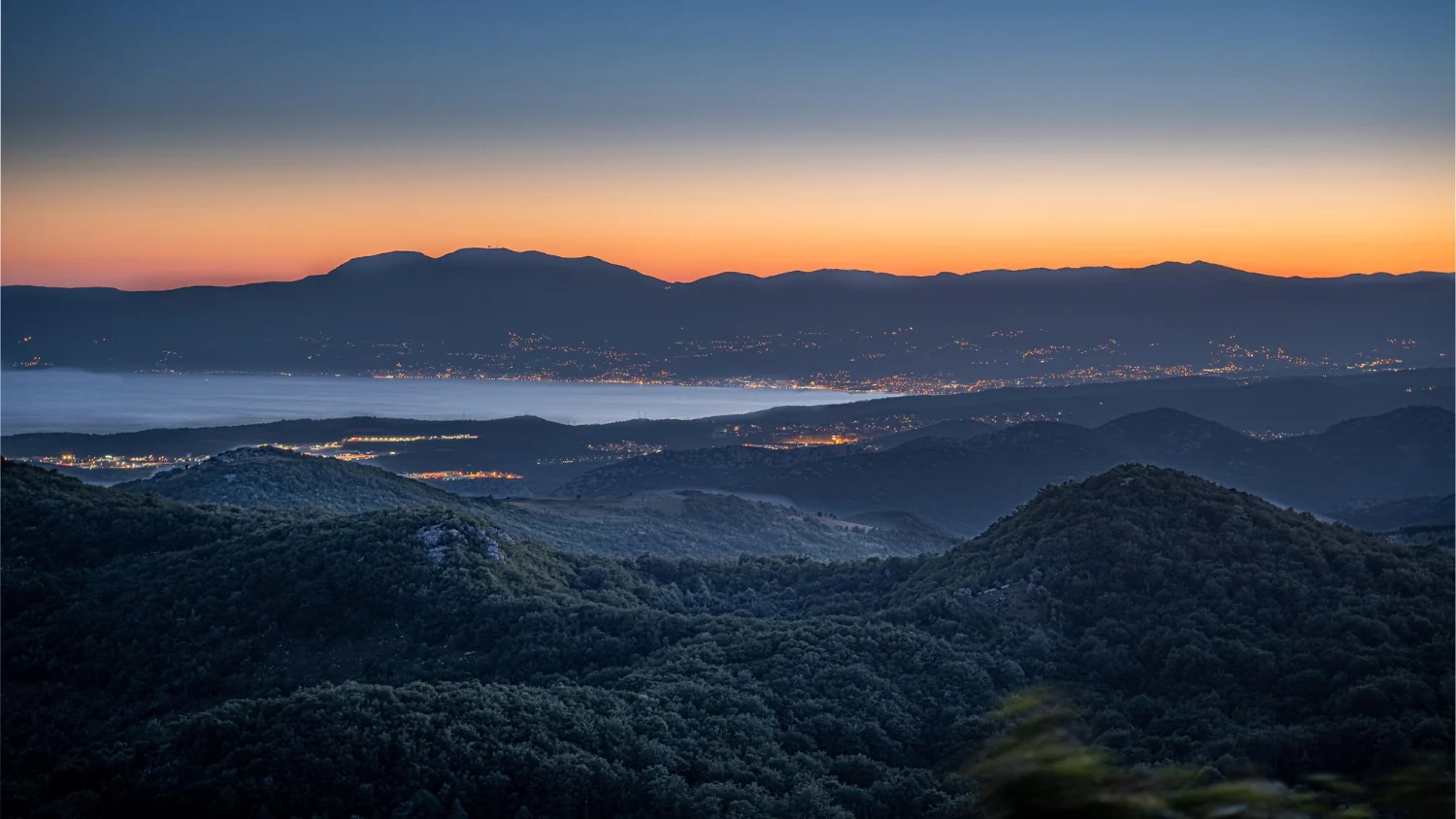
The Adriatic coastline stretches across Croatia, Montenegro, Slovenia, and parts of Italy, but Croatia remains the centerpiece for road travelers. The region combines crystal-clear waters, medieval towns, and dramatic mountain backdrops, all within short driving distances.
Driving along the coast gives you flexibility that ferries and tours cannot match. You can stop at hidden beaches, explore UNESCO-listed towns, and enjoy local food in small villages. Roads are generally well-maintained, and distances between major attractions are manageable, making it ideal for both short and extended trips.
For example, Croatia’s famous D8 coastal road, also known as the Adriatic Highway, offers uninterrupted sea views and passes through iconic destinations like Split and Dubrovnik. According to the Croatian National Tourist Board, coastal tourism accounts for the majority of visits due to accessibility and natural beauty.
Key takeaway: The Adriatic coast is ideal for road trips because it combines scenic drives, cultural landmarks, and easy accessibility in one compact region.
Dubrovnik to Split: The Classic Coastal Route
This is the most popular Adriatic road trip, and for good reason. The route stretches about 230 kilometers and delivers stunning sea views almost the entire way.
Starting in Dubrovnik, you drive past ancient city walls before heading north along the coastline. Along the way, you pass through charming towns like Ston, famous for its oysters and historic salt pans. The road continues through the Pelješac Peninsula, known for vineyards and quiet beaches.
As you approach Split, the scenery shifts slightly. You begin to see more islands offshore, including Brač and Hvar. Split itself offers a mix of Roman history and modern life, centered around Diocletian’s Palace.
Highlights of this route:
- Dubrovnik Old Town (UNESCO World Heritage Site)
- Ston Walls and oyster farms
- Pelješac wine region
- Makarska Riviera beaches
- Split’s historic center
Travel tip: Plan your stops in advance using a simple itinerary tool or calendar planner. This helps avoid rushing through key spots.
Key takeaway: The Dubrovnik to Split route offers the perfect balance of history, coastal beauty, and cultural experiences in a manageable drive.
Split to Zadar: Islands, Cliffs, and Coastal Charm
The drive from Split to Zadar is shorter, around 160 kilometers, but equally impressive. This stretch features a mix of rugged coastline and island views that change constantly as you drive.
Leaving Split, the road hugs the coastline with views of islands like Šolta and Brač. As you move north, the terrain becomes more dramatic, with cliffs dropping into the sea and quiet coves appearing along the way.
Zadar is a unique destination that blends ancient ruins with modern attractions like the Sea Organ and Sun Salutation installation. It is less crowded than Dubrovnik or Split, making it a great place to slow down.
Must-see stops:
- Trogir (UNESCO-listed town near Split)
- Primošten vineyards
- Krka National Park (short detour inland)
- Zadar Old Town
According to UNESCO, several towns along this route are protected heritage sites, emphasizing their cultural significance.
Key takeaway: The Split to Zadar drive combines natural beauty with quieter cultural stops, making it ideal for travelers seeking a relaxed pace.
Zadar to Rijeka: A Journey Through Northern Adriatic Landscapes
This route introduces a different side of the Adriatic. The coastline becomes more rugged, and the islands appear closer and more numerous.
Driving from Zadar to Rijeka takes about 4 to 5 hours, but you should plan a full day with stops. One of the highlights is the Velebit mountain range, which creates a dramatic contrast between sea and stone.
The Kvarner Gulf region near Rijeka offers access to islands like Krk and Cres. These areas are less tourist-heavy but equally beautiful, with traditional villages and clear waters.
What makes this route special:
- Velebit mountain views
- Pag Island’s unique landscape
- Quiet coastal villages
- Access to Kvarner islands
For detailed destination insights, explore local guides such as Adriatic travel resources on sites like Adriatic.hr.
Key takeaway: The Zadar to Rijeka route offers a more rugged and less crowded Adriatic experience with diverse landscapes.
The Bay of Kotor: A Scenic Detour Worth Taking
Although technically in Montenegro, the Bay of Kotor is often included in Adriatic road trips. It is one of the most dramatic coastal drives in Europe.
The road winds around a fjord-like bay surrounded by steep mountains. Medieval towns like Kotor and Perast add cultural depth to the natural scenery.
Driving here requires patience due to narrow roads, but the views are unmatched. Every turn reveals a new perspective of the bay.
Many travelers also use mobile editing tools to create video highlights of their Adriatic road trips, combining coastal scenery, historic towns, and local experiences into short travel reels.
Highlights:
- Kotor Old Town (UNESCO site)
- Perast and its baroque architecture
- Bay viewpoints for photography
- Local seafood restaurants
Travel note: If you are crossing borders, ensure your documents are in order. Travelers from many countries may need a Schengen Visa depending on their itinerary and entry points.
Key takeaway: The Bay of Kotor offers one of the most dramatic coastal drives in Europe, blending mountains, sea, and historic towns.
How to Plan Your Adriatic Road Trip Efficiently
Planning is key to enjoying your trip without stress. The Adriatic region offers so much that it is easy to overpack your itinerary.
Step-by-step planning checklist:
- Define your route
- Choose 1 to 3 main segments instead of trying to cover everything.
- Set travel dates
- Use a digital planner or simple calendar to map driving days and rest stops.
- Book accommodations early
- Coastal towns fill quickly during summer.
- Prepare documents
- Check passport validity and visa requirements.
- Plan fuel and rest stops
- Some remote stretches have limited services.
Definition: What is a Schengen Visa?
A Schengen Visa allows travelers to move freely within 27 European countries in the Schengen Area for short stays, usually up to 90 days.
Definition: What is a calendar maker?
A calendar maker is a tool or app that helps you organize travel dates, routes, and activities visually, making trip planning more structured and efficient.
Key takeaway: A well-planned itinerary with the right tools and documents ensures a smooth and enjoyable Adriatic road trip.
Practical Tips for Driving Along the Adriatic
Driving along the Adriatic is relatively easy, but a few tips can make your experience much better.
- Drive during daylight for the best views and safer navigation
- Avoid peak summer traffic in July and August
- Use offline maps in case of weak signals
- Respect local driving rules and speed limits
- Take frequent breaks to enjoy viewpoints
Fuel stations are generally available, but they can be sparse in remote areas. Always keep your tank at least half full.
Also, parking in historic towns can be limited. It is often easier to park outside the center and walk in.
Key takeaway: Smart driving habits and preparation help you enjoy the journey safely while maximizing scenic stops.
FAQ: Adriatic Road Trips
What is the best time for an Adriatic road trip?
The best time is May to June or September to October when the weather is pleasant and crowds are smaller.
Key takeaway: Late spring and early autumn offer the best balance of weather and fewer tourists.
Do I need a visa to travel along the Adriatic coast?
It depends on your nationality and travel route. Some travelers need a Schengen Visa for Croatia and nearby countries.
Key takeaway: Always check visa requirements before your trip to avoid travel disruptions.
Is driving in Croatia safe for tourists?
Yes, roads are well-maintained and clearly marked, making it safe for international drivers.
Key takeaway: Croatia is one of the safest and most accessible countries for road trips in Europe.
How many days do I need for an Adriatic road trip?
A minimum of 5 to 7 days is recommended for a relaxed experience covering key destinations.
Key takeaway: One week is ideal for enjoying major highlights without rushing.
Are coastal roads difficult to drive?
Most roads are easy to navigate, but some sections are narrow and winding, especially near mountains.
Key takeaway: Adriatic roads are manageable but require careful driving in certain areas.
Conclusion: How to Make the Most of Your Adriatic Road Trip
The Adriatic coast offers one of the most rewarding road trip experiences in Europe. From Dubrovnik’s historic charm to the quiet beauty of the Kvarner Gulf and the dramatic Bay of Kotor, every stretch of road tells a different story.
The key to enjoying this journey lies in thoughtful planning, flexible scheduling, and a willingness to explore beyond the main stops. Use simple tools to organize your itinerary, understand travel requirements, and give yourself time to experience each destination fully.
For more inspiration and accommodation options, explore detailed Adriatic travel guides on platforms like Adriatic.hr.
Key takeaway: A well-planned Adriatic road trip combines scenic drives, cultural exploration, and flexibility, creating a memorable and stress-free travel experience.