Biograd na Moru: what to visit, what to see and where to swim – a guide for 2026.
December 13, 2025
Top 6 nudist beaches (FKK) on the Adriatic: where to go if peace, privacy and a really good day at the beach matter to you.
December 13, 2025Not far from Dubrovnik, in the middle of the blue Adriatic Sea, lies the magnificent island of Mljet. Mljet is described in superlatives: it is the southernmost and easternmost of Croatia’s larger islands, its northwestern third is a National Park – the oldest marine park in the Mediterranean – and to some, it is the most beautiful island in the Adriatic.
The Illyrians, ancient Romans, and the Republic of Dubrovnik left Mljet a rich cultural and historical legacy, which—together with the saltwater lakes, a medieval Benedictine monastery, and breathtaking nature—led to this part of the island being declared a national park in 1960. If you find yourself in Dubrovnik on holiday, don’t miss the chance to spend a day visiting this national park.
If you'd like to extend your stay, check out our private accommodation options and book your apartment or room on Mljet.
How to get to the island of Mljet?
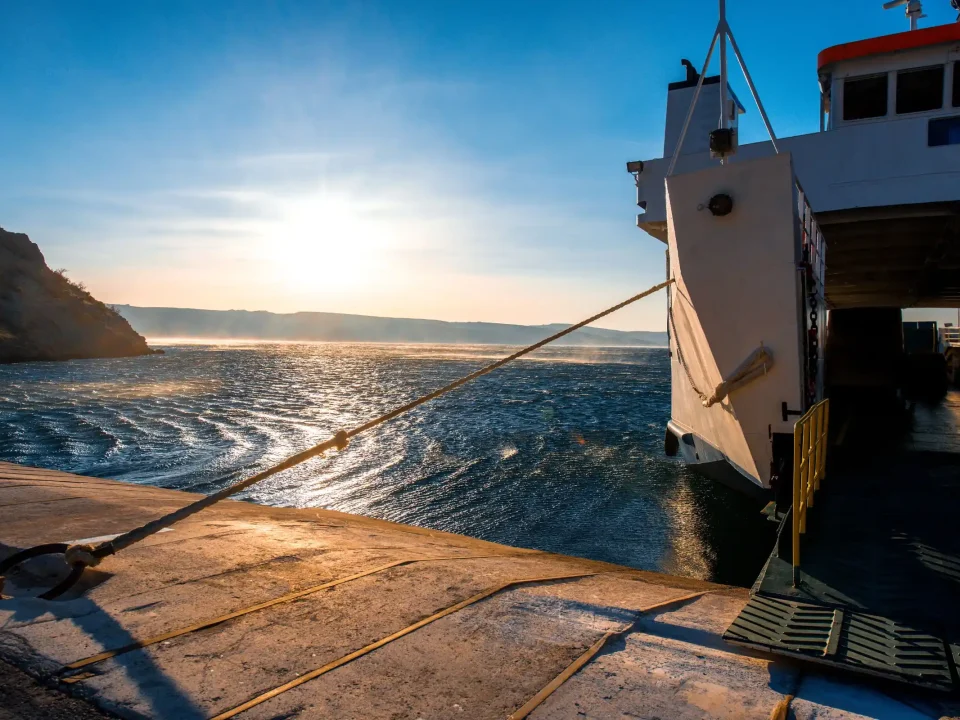
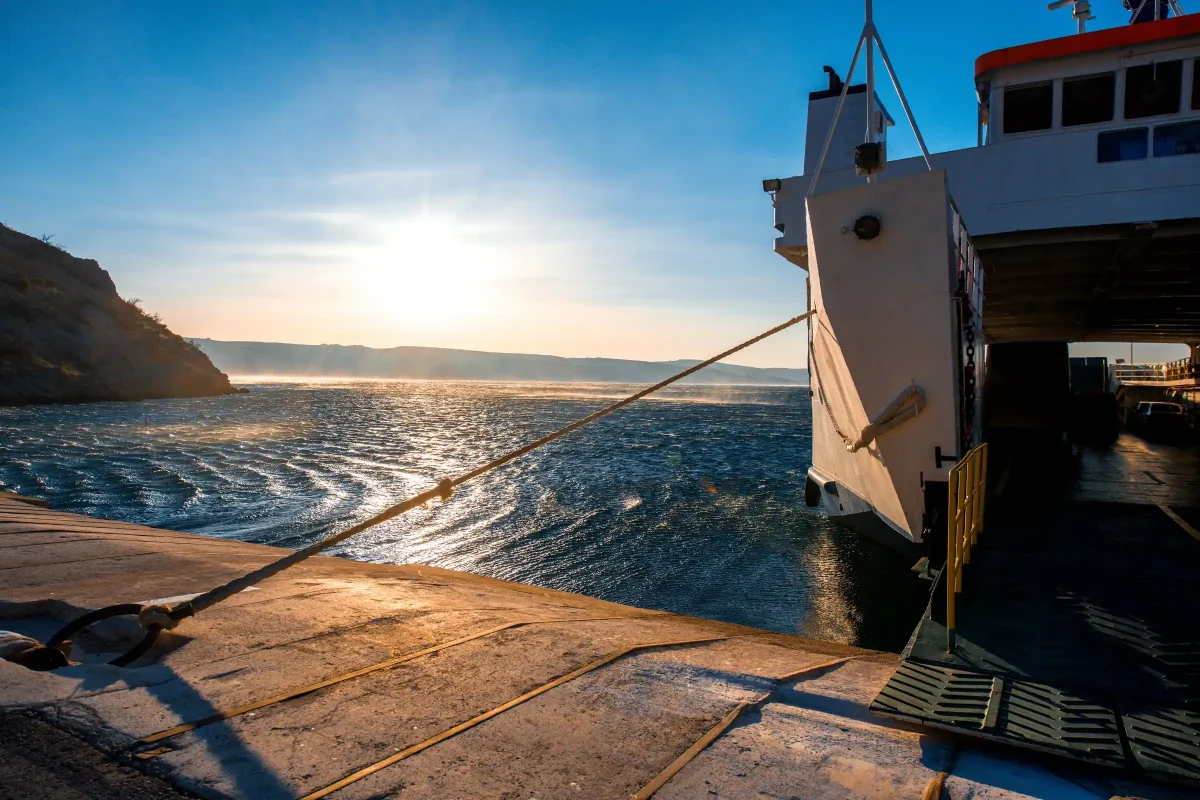
If you're in Dubrovnik, you can reach Mljet by catamaran, with a line departing directly from Dubrovnik. Another option is to take the ferry from the town of Prapratno on the Pelješac Peninsula, which docks in the town of Sobra on Mljet. If you're in Split, you can get to Mljet via the catamaran line Split – Brač – Hvar – Korčula – Mljet – Dubrovnik. Additionally, during the summer months (June – September), you can travel directly to Mljet by ferry from the island of Korčula.
The national park itself is located on the northwestern side of the island. There are three official entrances, and the ticket price varies depending on the time of year.
Sights of Mljet National Park: Wild Nature and Rich Heritage
Rich cultural and historical heritage, along with virtually untouched Mediterranean nature (the island was known in antiquity as the “green island”), make Mljet National Park a truly special place to visit.
We begin with the unofficial symbol of the Park – the islet of St. Mary, located on the southern side of the Great Lake. Here you’ll find a Benedictine monastery dating back to the 12th century. We can thank the Benedictines for the island’s lush greenery, as they owned this part of Mljet for centuries and maintained it through frequent reforestation and planting of various plants.
At one time, Mljet was also ruled by the ancient Romans. So be sure not to miss the impressive remains of the Roman palace in Polače. This palace is the third largest and best-preserved Roman monument on the Croatian Adriatic coast, after Diocletian’s Palace in Split and the Arena in Pula. Nearby, you can also see the remains of Roman baths and an early Christian basilica.
Among the natural wonders of Mljet National Park are several rare and fascinating phenomena. Chief among them is the system of so-called saltwater lakes – Veliko and Malo jezero (the Great and Small Lake). These are not true lakes; rather, seawater flows into the land through a narrow channel, creating the lakes. You can swim in them, and in Malo jezero, even during the colder months, as its waters remain pleasantly warm.
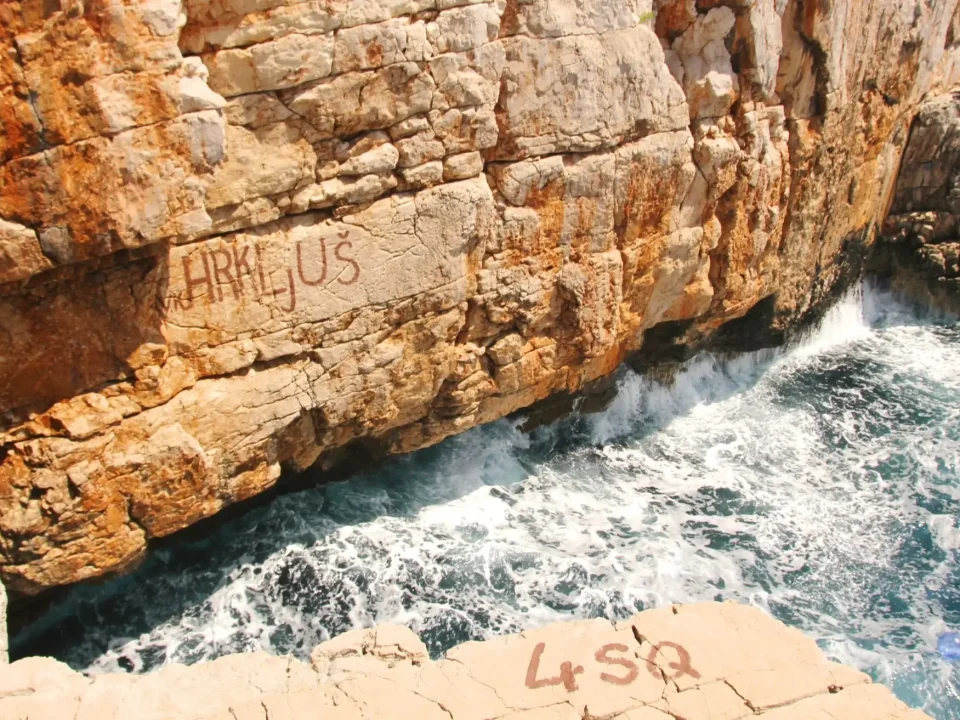
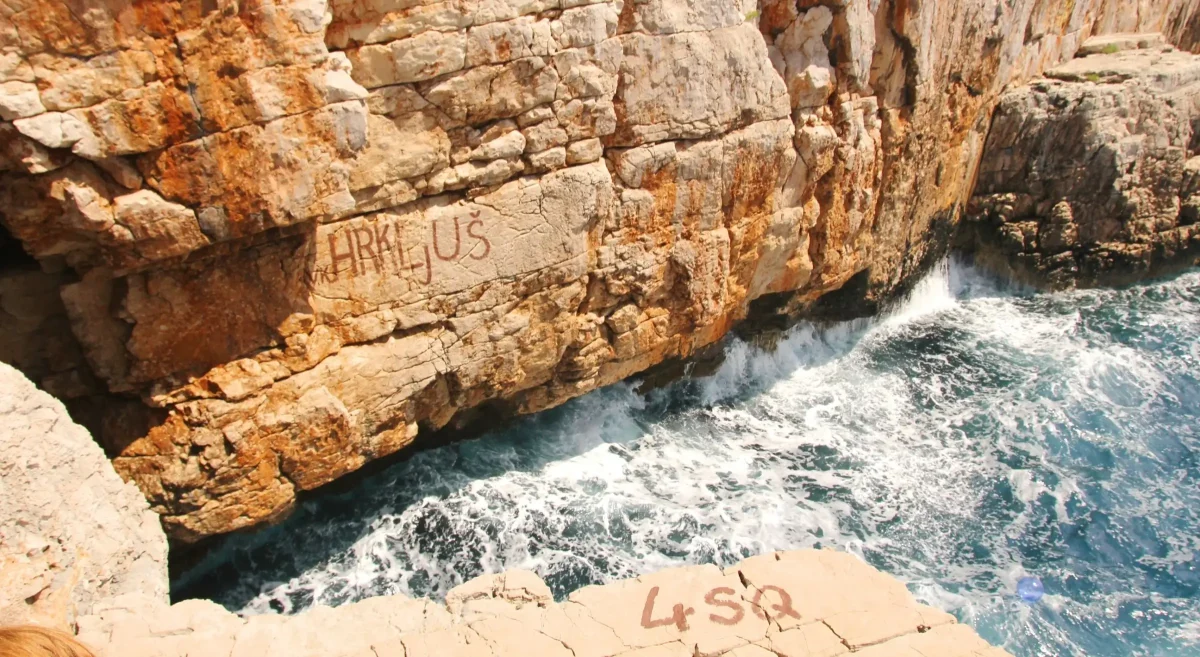
You’ll also be fascinated by the beauty of the geomorphological site Zakamenica on the southern coast of the park, shaped like an amphitheater. This unique phenomenon was formed by the action of waves on the cliffside.
What to Do in Mljet National Park?
Mljet National Park is ideal for exploration, whether on foot, by bike, snorkeling, or by kayak and boat — but not by car, as driving is prohibited within the national park area.
Rent a bicycle in Pomena or Polače and explore the nature surrounding the Great and Small Lakes; hike up to the Montekuc viewpoint and enjoy the spectacular panoramic view of Mljet and the nearby islands; rent a kayak and try to discover as many caves as possible hidden in the island’s lush greenery; while swimming enthusiasts can take a dip in the warm lakes, even during the colder months.
Travel Tip: Odysseus' Cave
The part of the island that does not belong to the park is also worth your attention. We recommend the so-called Odysseus' Cave, which is actually a karst cavity with a collapsed ceiling. According to legend, this is where Odysseus lived for seven years with the nymph Calypso, longing for his home and wife Penelope. Due to its low ceiling, Odysseus’ Cave can only be accessed by boat when there are no strong winds.