Telašćica – salt lake, cliffs, and wild coves of Dugi Otok
October 28, 2025
Top Cultural Events in Croatia You Shouldn’t Miss – Part II
October 28, 2025Contents
Show- Quick answer
- Why are Croatian wines so interesting?
- Istria for Malvazija and Teran
- Southern Dalmatia for Pošip, Plavac, and Dingač
- Slavonia for Graševina
- Comparison: the top 10 Croatian wines in one place
- Pošip — an indigenous white wine from the island of Korčula
- Istrian Malvazija — the best white wine of Istria for summer and gastronomy
- Graševina — the most popular white wine of continental Croatia
- Vugava — an indigenous white wine from Vis that is not easily forgotten
- Vrbnička Žlahtina — a light Kvarner white wine for the sea, shellfish, and summer
- Dingač — the king of Croatian red wines from the Pelješac peninsula
- Plavac Mali — the best-known Dalmatian variety for lovers of bold red wines
- Babić — a powerful Dalmatian red wine from the stone of Primošten
- Teran — an Istrian red wine of high freshness and distinctive energy
- Lasina — a gentler Dalmatian red wine worth discovering
- How to choose a Croatian wine in a restaurant without guessing
- FAQ: Croatian wines
- What is the best red wine in Croatia?
- What is Dingač wine?
- What are the indigenous white wines in Croatia?
- Which wine should you try in Dalmatia?
- How much alcohol does Dingač have?
- What are the best white wines in Croatia?
- Where should you go for Croatian wine tasting?
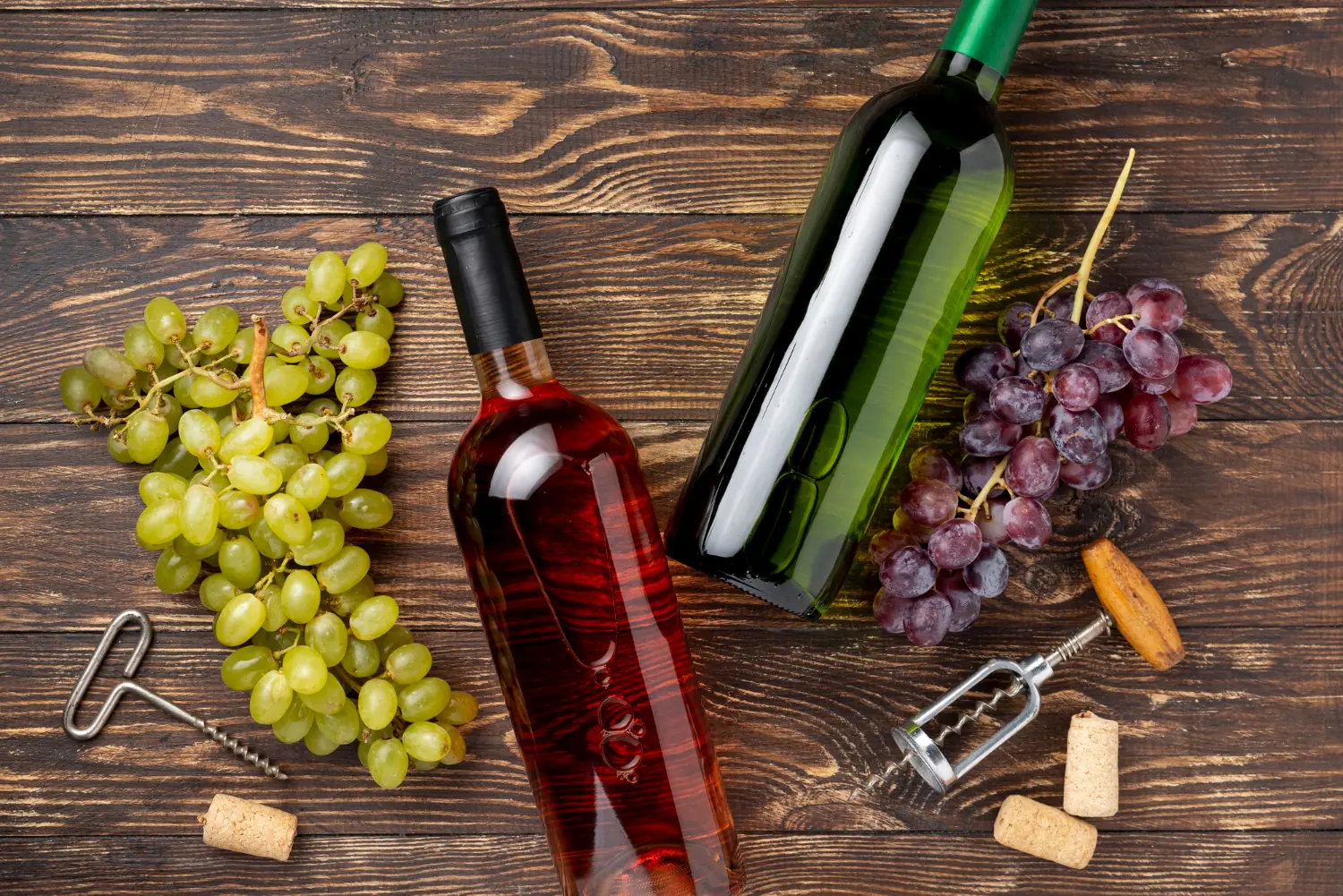
Below, you will get what you really need when searching for the best Croatian wines: which wines to try first, which region they come from, how they smell and what impression they leave in the glass, which dishes make sense to pair them with, how strong they are, how much to chill them, and where they are most enjoyable to taste on site.
Quick answer: which Croatian wines should you try first?
- The best white wines in Croatia: 1. Pošip, 2. Malvazija Istarska, 3. Graševina, 4. Vugava, 5. Vrbnička Žlahtina.
- The best red wines in Croatia: 1. Dingač, 2. Plavac Mali, 3. Babić, 4. Teran, 5. Lasina.
- If you like fresh and easy-drinking wines: start with Malvazija, Graševina, and Žlahtina.
- If you like bold red wines: start with Dingač, Plavac Mali, and Babić.
- If you are looking for indigenous Croatian wines you may not know: Vugava, Žlahtina, and Lasina are a great place to start.
- If you are traveling for wine tasting: the most logical routes are Istria, Korčula and Pelješac, Vis, Vrbnik, and Kutjevo.
Why are Croatian wines so interesting?
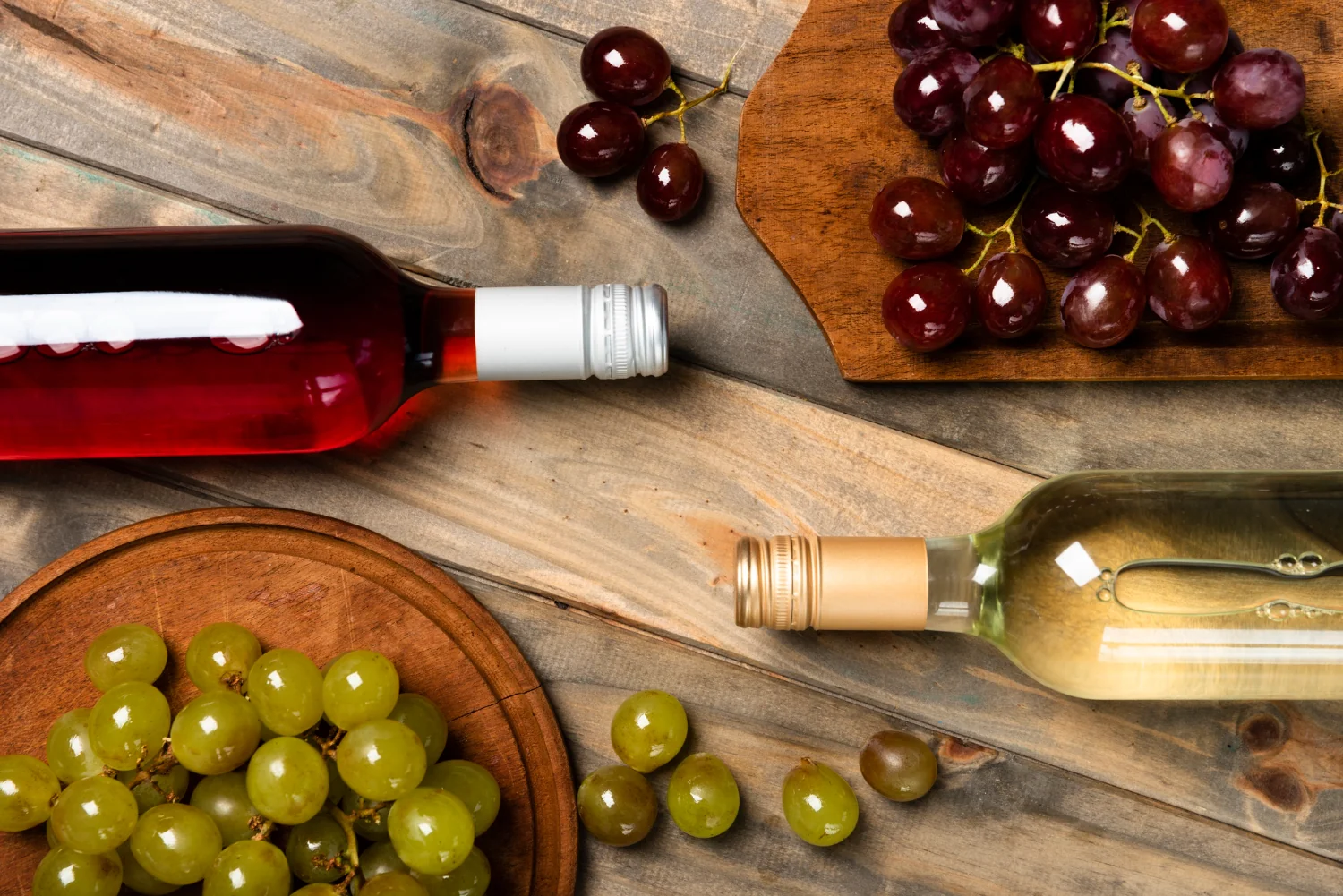
Croatia may look small on the map, but in the glass it feels much bigger than you expect. In one trip, you can move from salty, Mediterranean white wines from the islands to deep, warm reds from the slopes of Pelješac, and then finish in Slavonia with an elegant Graševina that completely changes the way you think about continental wines.
Croatian wines have been recognized beyond the region for years. For example, in 2016 Croatia won as many as 63 medals at the Decanter World Wine Awards. That same year, according to readers of the American outlet USA TODAY and the 10Best platform, Croatia was named one of the 10 best wine regions in the world worth visiting.
That is why searches such as Croatian wines, the best white wines in Croatia, and the best red wines in Croatia are not only about labels, but also about the experience. Here, wine is not separated from the place. Pošip without Korčula is not the same experience. Teran without Istria does not have the same context. Dingač without Pelješac does not tell the whole story.
Istria for Malvazija and Teran
If you want an elegant combination of wine and gastronomy, Istria gives you the easiest and most rewarding route. Malvazija covers the fresh, mineral white spectrum, while Teran offers a juicier and livelier red.
Southern Dalmatia for Pošip, Plavac, and Dingač
Korčula and Pelješac are the logical choice when you want to taste wines that carry sun, stone, and salt. Here the style is more expressive, the texture fuller, and the experience often more “dramatic”.
Slavonia for Graševina
When you want precise, fresh, and food-friendly wines, head toward Kutjevo and the rest of Slavonia. Graševina here can be far more serious than its name might suggest at first.
For extra context before your trip, take a look at the guide to Croatian gastronomy, 7 days in Istria, and what not to miss on Korčula.
Comparison: the top 10 Croatian wines in one place
| Wine | Color / style | Region | Typical alcohol | Main notes | Best with |
|---|---|---|---|---|---|
| Pošip | white, dry | Korčula and southern Dalmatia | 13–14.5% | apricot, citrus, Mediterranean herbs, almond | fish stew, buzara, white fish |
| Malvazija Istarska | white, dry | Istria | 12.5–13.5% | acacia, peach, citrus, minerality | asparagus, scallops, pasta with truffles |
| Graševina | white, dry to off-dry | Slavonia and the Danube region | 11.5–13.5% | green apple, white peach, flowers, herbal notes | river fish, chicken, lighter cheeses |
| Vugava | white, dry to fuller dry | Vis | 12.5–14% | ripe apricot, honey, dried herbs, fullness | monkfish, octopus under the bell, Vis pie |
| Vrbnička Žlahtina | white, dry | Vrbnik, island of Krk | 11–12.5% | lemon, green apple, blossom, salinity | Kvarner scampi, squid, sheep cheese |
| Dingač | red, dry | Pelješac | 14–16%+ | dried plum, fig, dark berries, spices | pašticada, game, aged cheeses |
| Plavac Mali | red, dry | Dalmatia | 13–16% | sour cherry, carob, sage, pepper, dried fig | lamb, tuna steak, grilled meat |
| Babić | red, dry | Primošten and the Šibenik hinterland | 13–15% | marasca cherry, blackberry, plum, firm structure | prosciutto, pašticada, mature cheeses |
| Teran | red, dry | Istria | 12.5–14% | sour cherry, blackberry, pepper, earthiness, freshness | boškarin, sausages, stews |
| Lasina | red, dry | northern Dalmatia | 12–13.5% | tart cherry, wild strawberry, violet, gentle tannins | duck, veal medallions, tuna dishes |
Typical alcohol levels and styles are approximate and meant as practical guidance when buying or ordering.
Pošip — an indigenous white wine from the island of Korčula
Pošip is the wine that quickly teaches you that Croatian white wines are not necessarily light and “casual”. When it is well made, it has volume, texture, and seriousness that make it easy to enjoy even with richer dishes. Its home is Korčula, and you will usually experience it at its best in the vineyards around Čara and Smokvica, where almost every glass comes with a little sun, a little stone, and a lot of sea.
Historically, Pošip has a special status because it is not only popular, but also symbolically important. If you are choosing a wine with local identity and a real story behind it, this is one of the safest choices. Aromatically, it often leans toward ripe apricot, citrus peel, Mediterranean herbs, and sometimes almond or dried fig. On the palate, it can be warm, rounded, and more serious than you would expect from a coastal white wine, but when supported by good acidity, it feels very harmonious.
With food, do not limit it to just “fish in general”. It makes the most sense with white fish stew, scorpion fish or monkfish, scampi risotto, mussels buzara, pasta with clams, or baked sea bream with olive oil and Swiss chard. If you choose a more serious, aged Pošip, you can also confidently pair it with creamier dishes or pasta with seafood.
When buying a bottle, expect to enter a range of around ten to twenty euros for a very good Pošip, while more serious labels go noticeably higher. For tasting on site, good starting points include Pošip Čara, and on Korčula it is also worth visiting smaller cellars around Smokvica and the surrounding area. Keep the bottle in a cool, dark place, and once opened, do not serve it ice cold — that way it loses part of its character.
If you are planning to taste Pošip on the island, take a look at accommodation on Korčula and include Korčula as a full-day eno-gastronomic trip.
Istrian Malvazija — the best white wine of Istria for summer and gastronomy
Malvazija is the easiest way to understand why people so strongly associate Istria with wine. It is easy-drinking, aromatic, and incredibly food-friendly, yet serious enough not to remain just a “light summer sip”. A good young Malvazija can be juicy, citrusy, and floral, while aged or partially macerated versions move toward a fuller texture, Mediterranean herbs, and a fine bitter finish.
In the glass, you most often recognize it through notes of acacia, peach, pear, lemon peel, and mild minerality. What makes it especially rewarding at the table is its balance: it has neither excessive weight nor emptiness. That is why it makes just as much sense with raw scampi and scallops as with fuži pasta with asparagus, shrimp risotto, or pasta with truffles if you choose a more serious, textural bottle.
If you are just getting to know Croatian wines, Malvazija is often the best first stop because it does not ask you to adapt to it — it adapts very easily to your lunch. In a restaurant, it is usually the safest choice when you want a local white wine without guesswork. At home, keep it chilled but not too cold, and drink young labels while they are lively and open.
For winery visits, it is hard to go wrong with places like Kozlović and Matošević. If you want wines that also show the more serious side of the Istrian scene, it is worth looking at labels from cellars such as Benvenuti or Coronica.
If your goal is a wine-tasting weekend, a great base is accommodation in Istria, and this guide through Istria will also help you plan your route.
Graševina — the most popular white wine of continental Croatia
Graševina is a wine that many people underestimate simply because it sounds too familiar. And that is often the mistake. When you come across a serious Graševina from Slavonia or the Danube region, you get a wine with far more precision, freshness, and depth than you expect. In its young version, it can be crisp, clean, and very easy to drink, while more ambitious versions offer lovely texture, riper fruit, and a touch of minerality.
Most often, you will find green apple, white peach, meadow flowers, sometimes a slight herbal note, and that typical, discreet bitterness on the finish that gives it character. It is a wine that works both as an aperitif and at the table, especially when you do not want the wine to overpower the dish. That is why it is excellent with roast chicken, turkey with mlinci, river fish, lighter cheeses, breaded pike-perch, or simple vegetable and white meat dishes.
When it comes to price, Graševina is one of the varieties where you can most easily find an excellent price-to-quality ratio. For relatively little money, you get a very serious wine, and if you want more ambition, you can easily find labels that show how the variety can age, develop honeyed notes, or produce predicate wines.
For tasting on site, it is worth looking at wineries such as Galić, Krauthaker, and larger Kutjevo houses with well-developed tasting programs. If you are buying for summer, choose fresh vintages; if you are buying for the table and want more layers, aim for more serious single-vineyard or late-harvest bottlings.
If you find the combination of wine and a continental getaway appealing, look at accommodation in continental Croatia as a base for Slavonian wine trips.
Vugava — an indigenous white wine from Vis that is not easily forgotten
Vugava is a wine that either wins you over immediately or makes you come back to it once more. It is not the most neutral, nor the lightest, and that is exactly why it stays in your memory. It gives a fuller, more aromatic style of white wine, often with riper fruit, honeyed nuances, and more pronounced warmth. If you like character in the glass, Vugava quickly becomes more interesting than “safe” international varieties.
On Vis, it is especially beautiful because it feels like a natural extension of the landscape: sunny, open, warm, and a little stubborn. Aromatically, it leans toward ripe apricot, honey, dried herbs, and floral notes, while on the palate it can be creamier and fuller than you would expect from an island white wine. That is why it is important to serve it properly chilled, but not ice cold, because excessive cold can close off the most interesting parts of it.
With food, it is best when you do not reduce it only to “white fish”. It works very well with monkfish, grilled scampi, octopus under the bell, richer fish sauces, Vis pie, and even white meat with Mediterranean herbs. If you choose a more traditional, fuller style, feel free to pair it with a slightly richer bite as well.
For tasting on the island, a good place to start is Lipanović Winery, and it makes sense to book a tasting in advance if you are going during the season. Vugava does not need to be kept in the cellar for too long unless the winery clearly suggests otherwise; in most cases, it gives its best while it is still lively and open.
If you want a slower island holiday with wine in focus, look at accommodation on Vis and leave at least one afternoon specifically for a winery tasting.
Vrbnička Žlahtina — a light Kvarner white wine for the sea, shellfish, and summer
Žlahtina is not a wine that tries to impress with power. Its strength is lightness. It is the white wine you order when you need a glass that refreshes, does not tire you, and does not take the leading role at the table. That is exactly why it works fantastically by the sea, especially when you are eating simple dishes and want the wine to gently follow the rhythm of lunch.
Most often, you will experience it as a light to medium-light wine with notes of lemon, green apple, white flowers, and subtle salinity. It does not require overthinking, but if you like clean and precise white wines, you will absolutely appreciate how good it is when fresh, properly chilled, and well paired with food.
It makes the most sense with Kvarner scampi, light risottos, grilled squid, mussels, white fish, cold appetizers, and sheep cheeses. It is not a wine for heavy sauces and overly intense dishes. With it, the point is precisely to keep everything airy and effortless.
For tasting, head to the cellars in Vrbnik itself, where PZ Vrbnik and Gospoja are among the practical places to start. If you are buying a bottle for the road, do not postpone opening it for too long — Žlahtina is at its most beautiful while young, lively, and clear.
If you are planning Kvarner through gastronomy, a good base is accommodation on Krk, especially if you want to combine beaches, dinner, and evening wine tasting in Vrbnik.
Dingač — the king of Croatian red wines from the Pelješac peninsula
Dingač is not a wine for “having with just anything”. It is a bottle you return to when you want a serious red wine, when you like density, when you do not mind a wine with power, alcohol, and a strong personality. If you have ever looked for the answer to the question what is the best red wine in Croatia, Dingač almost always appears in the first sentence — and for good reason.
It is made from Plavac Mali, but in a microregion that gives it additional concentration and depth. In the glass, you will most often sense dried plum, fig, dark berries, spices, and sometimes a note of carob or Mediterranean herbs. The tannins are firm, the body full, and the finish long. This is not a wine to drink too cold, nor a wine to open and pour quickly. Give it air. Decanting often suits it very well.
With food, it asks for dishes with weight and slowness. Pašticada is almost a textbook example, but it also works excellently with game, aged steak, beef cheeks, lamb under the bell, and hard, long-aged cheeses. It is less suited to light dishes and delicate flavors because it simply overwhelms them.
When buying Dingač, it is difficult to think of it as a “cheap” option, but in return you often get a serious wine for special moments. For tasting on site, it is worth looking at cellars such as Korta Katarina and Dingač Skaramuča. If you are buying a bottle for home, keep it still and in the dark — Dingač knows how to reward patience.
For a wine weekend in the south, a great base is accommodation on Pelješac, especially if you want to combine cellars, beaches, and a good lunch without too much logistics.
Plavac Mali — the best-known Dalmatian variety for lovers of bold red wines
If Dingač is the king of Croatian red wines, Plavac Mali is its broadest and most important family. It is the variety you will encounter most often when you start exploring Dalmatia through wine. Sometimes it feels robust, sometimes more elegant, but it almost always carries a recognizable Mediterranean signature: ripe dark fruit, alcoholic warmth, spices, and a touch of herbal, almost wild character.
In the glass, it often gives notes of sour cherry, dried fig, carob, plum, black pepper, and Mediterranean vegetation such as sage and rosemary. Not every Plavac has the same profile. Those from warmer and steeper sites can be fuller and more serious, while slightly fresher styles will be more approachable and ready to drink earlier. That is exactly why this is one of the varieties where it pays most to taste several producers rather than stop at one bottle.
With food, it is very rewarding if you choose dishes with character: tuna steak, pašticada, lamb, roasted ribs, a beef burger, mature cheeses, or grilled meat. If you are among those who enjoy red wine with fish, Plavac Mali is one of the few local answers that truly makes sense with stronger oily fish or tuna.
For tasting, start with reliable names such as Zlatan Otok, Korta Katarina, or other Dalmatian cellars that make different styles of Plavac. Serve it slightly cooler than room temperature and do not be afraid of a decanter, especially with more powerful labels.
If you want to fit wine into an island holiday, consider basing yourself on Hvar or Pelješac, where Plavac Mali makes the most sense both in the glass and in the landscape.
Babić — a powerful Dalmatian red wine from the stone of Primošten
Babić is a wine that immediately makes it clear where it comes from. In it, you can feel hard soil, the bora wind, the sun, and that Dalmatian kind of character that does not try to be soft if it does not have to. At its best, it comes from poor, stony sites around Primošten, and it is precisely that terrain that gives it its recognizable firmness and depth.
Aromatically, it most often goes toward dark berries, plum, marasca cherry, Mediterranean spices, and riper fruit. The tannins can be more pronounced, the alcohol firm, and the body full, so this is not the kind of wine everyone will find “easy-drinking” at first. But if you like more serious red wines with character, Babić can very easily become a favorite because it does not have a generic, international taste. It has the face of the place it comes from.
At the table, pair it with Dalmatian prosciutto, mature and more piquant cheeses, pašticada, stew, grilled meat, and richer beef dishes. A good Babić can stand up to very aromatic bites without losing balance. It is not for a quick light summer lunch, but for a dinner you want to give a little weight to.
For tasting in the area, it is worth visiting Testament Winery or looking for local tasting rooms around Primošten and Bucavac. If you are buying a bottle, give it a little air before serving and pour it into a larger glass so the fruit and spices can open up more beautifully.
If you are staying a few days in this part of the coast, a practical base is accommodation in Primošten, especially if you want to combine the sea, konobas, and tastings inland.
Teran — an Istrian red wine of high freshness and distinctive energy
Teran is a great answer to the prejudice that red wine has to be heavy and sluggish to be serious. It does not. A good Teran is lively, juicy, firm, sometimes almost nervous in the best possible way. It has pronounced freshness, enough tannin to carry a dish, and that character of sour cherry, blackberry, pepper, and earth that makes it very easy to recognize.
It is exactly that energy that separates it from the warmer Dalmatian reds. While Plavac and Dingač lean more toward ripeness and warmth, Teran often feels tighter, more vertical, and brutally useful at the table. If you like wines that “lift” food instead of merely rounding it out, you will quickly become friends with Teran.
It works best with boškarin, Istrian sausages, stews, dishes with wild mushrooms, hard cheeses, and pasta with richer sauces. In the colder part of the year, it shines with slow-cooked dishes, but even in summer it makes sense if you serve it a little fresher than classic red wines.
For tasting on site, good names include Coronica and Benvenuti, and in Istria you will very easily find restaurants that take Teran seriously on their wine lists. If you are buying a bottle, do not be afraid of a few years of aging — a good Teran rounds out beautifully.
If your goal is to explore Croatian wines and gastronomy in the same weekend, Istria is one of the most rewarding bases for that kind of plan.
Lasina — a gentler Dalmatian red wine worth discovering
Lasina is a wine that often delights exactly those who usually shy away from heavy Dalmatian reds. It does not have the massiveness of Dingač or stronger Plavac, but it has finesse, elegance, and fruitiness that make it feel more modern and easier to drink. If you like red wines with more freshness and less roughness, Lasina is a very smart choice.
In the glass, it most often gives sour cherry, wild strawberry, violet, and discreet earthiness, with softer tannins and a gentler structure. That does not mean it is banal. On the contrary, precisely because it is more subtle, it asks for a little attention. It gives you the most when served slightly chilled and when not overwhelmed by overly heavy dishes.
As for pairings, the most logical choices are duck breast, veal medallions, tuna dishes, roasted chicken with aromatic herbs, or a platter of local cured meats and semi-hard cheeses. It is a wine with which you can have a serious dinner, but without the feeling that you are drinking something too heavy for the season or the style of dish.
For tasting, head toward cellars around Skradin and Plastovo, and one of the logical starting points is Ante Sladić, where Lasina has a very natural context. If you are buying it for home, do not bury it under long aging without reason — Lasina usually gives the most while it still keeps its fruit and liveliness.
If you are also visiting Krka National Park or Skradin, you can easily combine the trip and a tasting with accommodation in Skradin or the surrounding area.
How to choose a Croatian wine in a restaurant without guessing
If you open a wine list and see ten local labels that do not mean much to you, the easiest way is to start with what you are eating and what style of wine you like. If you like freshness and have ordered fish, shellfish, or pasta with seafood, first look at Pošip, Malvazija, Graševina, or Žlahtina. If you like fuller white wines, Pošip and a richer Vugava are the most logical choices.
The same rule applies to red wine. For powerful meat dishes, go for Dingač, Plavac Mali, or Babić. If you want a red wine that is livelier and more gastronomically flexible, ask for Teran. If you want a more elegant red that will not take over the whole table, ask whether they have Lasina.
One more rule that can save you from making the wrong choice: do not be afraid to ask for the house’s local recommendation, but ask them why they recommend that particular wine. A good answer will immediately reveal whether they really know what they are offering or are just pushing the label that is easiest for them to sell.
FAQ: Croatian wines
What is the best red wine in Croatia?
If you look at reputation and impact, Dingač is the most common answer. If you want a broader category, Plavac Mali, Babić, and Teran are also at the very top alongside it. The best wine for you still depends on whether you prefer a more powerful, warmer, or fresher style of red wine.
What is Dingač wine?
Dingač is a premium red wine made from the Plavac Mali variety that comes from the southern slopes of the Pelješac peninsula. It is known for its high alcohol, full body, pronounced aromas of dried plum, fig, and dark berries, as well as its great aging potential.
What are the indigenous white wines in Croatia?
Among the best-known indigenous white wines are Pošip, Vugava, and Vrbnička Žlahtina, while in a broader local context Malvazija Istarska is also very important. If you want your first serious encounter with Croatian white wines, start with these varieties.
Which wine should you try in Dalmatia?
In Dalmatia, try Pošip and Vugava first if you like white wines, and Dingač, Plavac Mali, Babić, and Lasina if you prefer reds. If you are on Korčula, go for Pošip. If you are on Pelješac, go for Dingač and Plavac Mali. If you are around Primošten and Šibenik, ask for Babić and Lasina.
How much alcohol does Dingač have?
Dingač most often has around 14 to 16% alcohol, and in warmer vintages and with certain producers it can feel even stronger. That is why it is best enjoyed slowly, from a larger glass, and with food that can match its strength.
What are the best white wines in Croatia?
The wines most often counted among the top Croatian whites are Pošip, Malvazija Istarska, Graševina, Vugava, and Vrbnička Žlahtina. If you want one wine for a summer lunch by the sea, the easiest place to start is with Pošip or Malvazija.
Where should you go for Croatian wine tasting?
The most rewarding destinations for tasting Croatian wines are Istria, Korčula, Pelješac, Vis, Vrbnik on Krk, and Kutjevo. These are regions where you can easily combine wineries, local food, and accommodation without complicated logistics.