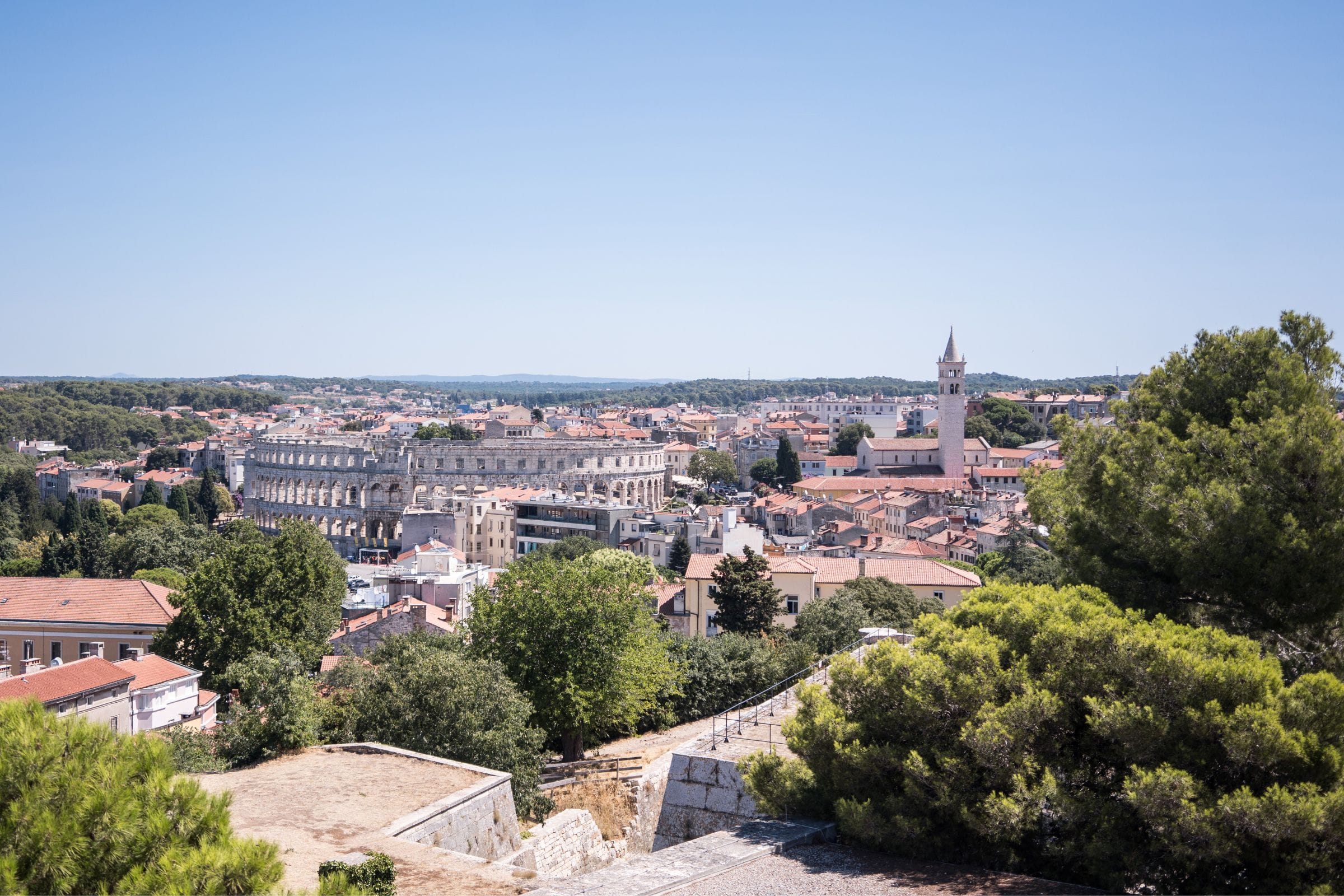
Rovinj — the complete city guide
An old town on a peninsula, the bell tower of St Euphemia, Golden Cape, an archipelago of 22 islets and the finest Istrian cuisine — everything you need for the perfect visit, including tips on where to stay, where to park and where to go on a day trip.
- Protected historic centre (1963)
- Batana — UNESCO 2016
- Ideally 2–3 days
Essential information for planning your trip
Key facts about the city and everything you need to know before you go.
Istria — west coast
14,294 (Rovinj-Rovigno)
Historic centre protected since 1963 · Batana UNESCO 2016
St Euphemia and the old town on the peninsula
May–June and September
2–3 days (+ day trips)
Pula — transfer approx. 40 min 🔶
52210 · +385 52
Where it is and what it is known for
Rovinj-Rovigno is a historic port town on the west coast of Istria, with a bilingual Croatian-Italian tradition, an archipelago of 22 islets and more than 50 km of indented coastline. The old town is densely packed on a peninsula beneath the bell tower of St Euphemia — one of the most photogenic silhouettes on the Adriatic.
Until 1763, the historic centre was an island; the channel separating it from the mainland was then filled in, turning the town into a peninsula, although its ‘island’ character can still be felt today. The historic centre has been a protected cultural and historical area since 1963, while the Batana Eco-Museum project — dedicated to the living heritage of Rovinj’s traditional boat — received international UNESCO recognition in 2016.
Rovinj is also a perfect base for exploring Istria: Lim Bay, the Brijuni Islands, Pula, Poreč and hilltop towns such as Motovun are all within easy reach, while the local cuisine, featuring truffles, olive oil and fresh fish, ranks among the finest in the country.
Advantages
- Charming old town and St Euphemia — Istria’s ‘picture postcard’
- Golden Cape and beaches within walking distance of the centre
- An excellent base for day trips around Istria
Things to keep in mind
- Crowds and higher prices during the summer peak season 🔶
- The old town is pedestrianised — parking is available on the edge of town 🔶
- Cobbled streets and steps can be inconvenient for pushchairs
Interesting facts about Rovinj
Nine details that make the town special — perfect conversation starters on the walk up to St Euphemia.
A town that was once an island
The old town was an island until 1763, when the channel separating it from the mainland was filled in — which is why Rovinj still has an island-like appearance today.
A bell tower inspired by Venice
The bell tower of St Euphemia was modelled on St Mark’s Campanile, while the copper statue of the saint at the top turns with the wind like a weather vane.
The legend of the sarcophagus
According to legend, the stone sarcophagus of St Euphemia floated across the sea to Rovinj in the early 9th century — and it still rests in the church at the top of the town.
The batana and UNESCO
Rovinj’s UNESCO recognition from 2016 was not awarded to the old town, but to the Batana Eco-Museum — a project dedicated to preserving the traditional flat-bottomed boat and the town’s living maritime culture.
A bilingual town
Rovinj is officially known as Rovinj-Rovigno: alongside Croatian, the town nurtures its historic Italian community, so signs and street names are bilingual.
Grisia — the street of artists
Rovinj’s best-known street has been home to galleries and painters for decades, and once a year it is transformed into a large open-air exhibition.
An archipelago of 22 islets
Twenty-two islets and reefs lie just off the coast — from St Catherine’s Island to Red Island — and excursion boats cruise among them throughout the summer.
The ‘fjord’ that is not a fjord
Lim Bay, which cuts 12 km into the mainland near Rovinj, is often called a fjord — but it is actually a submerged karst river canyon.
A town older than its written records
The settlement of Castrum Rubini is mentioned between the 3rd and 5th centuries, while Monkodonja, a Bronze Age hillfort, lies just 5 km from the town.
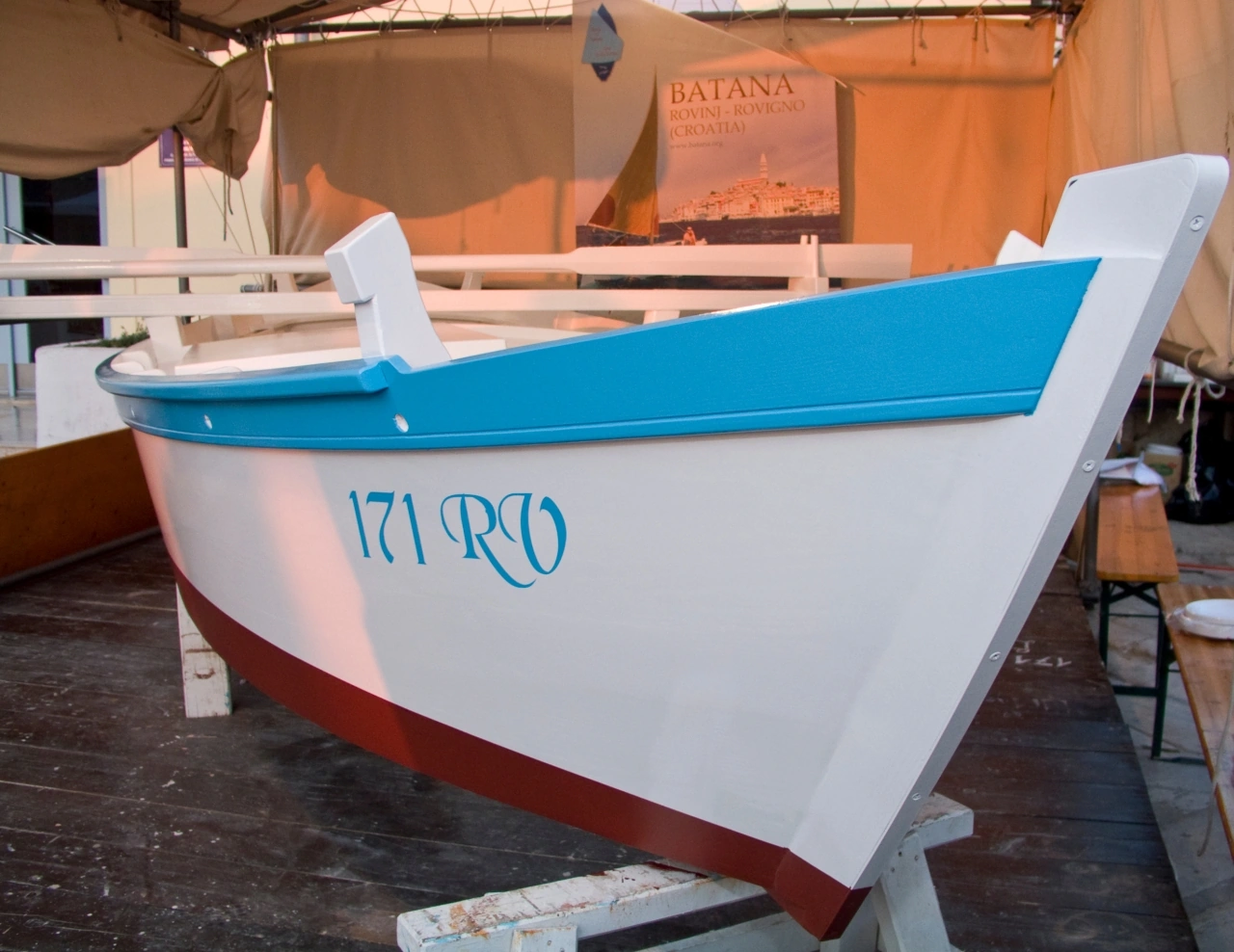
The boat that sings: Rovinj’s most distinctive story
Rovinj’s most distinctive story is not only its old town, but the batana — a traditional flat-bottomed wooden fishing boat that has become a symbol of the town. It is not merely the boat itself that is preserved, but an entire world of heritage: the local dialect, fishermen’s everyday lives, small boatyards, evening trips, songs and customs.
Today, this story is preserved by the Batana Eco-Museum, opened in 2004 in a typical Rovinj house dating from the late 17th century. In 2016, the project dedicated to preserving Rovinj’s batana was included in the UNESCO Register of Good Safeguarding Practices for Intangible Cultural Heritage, making this story far more significant than an ordinary museum curiosity.
The full experience begins at Mali Mol, among the boatwomen and preserved batana boats, continues with a trip around the Rovinj peninsula and ends in a spàcio — a local tavern and wine venue — accompanied by bitinada, Rovinj’s distinctive fishermen’s musical tradition in which voices take on the role of instruments.
Rovinj historical timeline
From the late antique Castrum Rubini to UNESCO recognition for the batana.
Castrum Rubini
A fortified settlement develops on the islet, eventually growing into present-day Rovinj.
First known mention
The town is mentioned in the Cosmographia by an anonymous geographer from Ravenna.
The cult of St Euphemia
Devotion to the saint whose sarcophagus, according to legend, floated to the town by sea spreads throughout Rovinj — Euphemia becomes its patron saint.
The present-day Church of St Euphemia
A Venetian-style Baroque church is built at the top of the town, with a bell tower modelled on St Mark’s Campanile.
The island becomes a peninsula
The channel between the island and the mainland is filled in, giving the old town its present-day peninsula shape.
Protection of the old town
The old town is protected as a cultural and historical area within Croatia’s heritage protection system.
UNESCO and the batana
The Batana Eco-Museum project is included in UNESCO’s Register of Good Safeguarding Practices for Intangible Cultural Heritage.
Rovinj’s top attractions
Almost everything is in the old town on the peninsula or within a short walk of it.
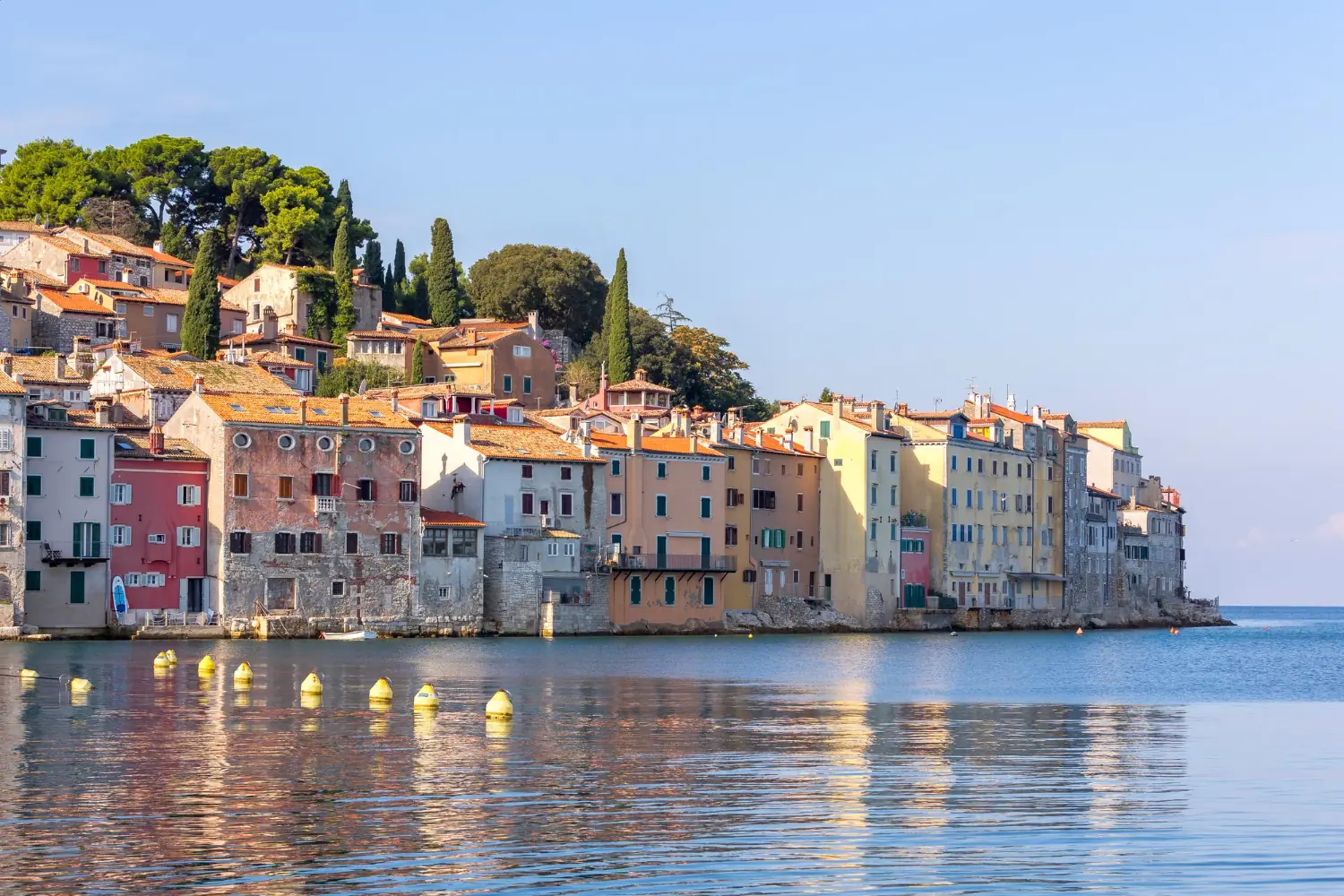
Old Town
Venetian Gothic houses, narrow stone streets and harbour views; once an island, it has been a peninsula since 1763. The heart of Rovinj.
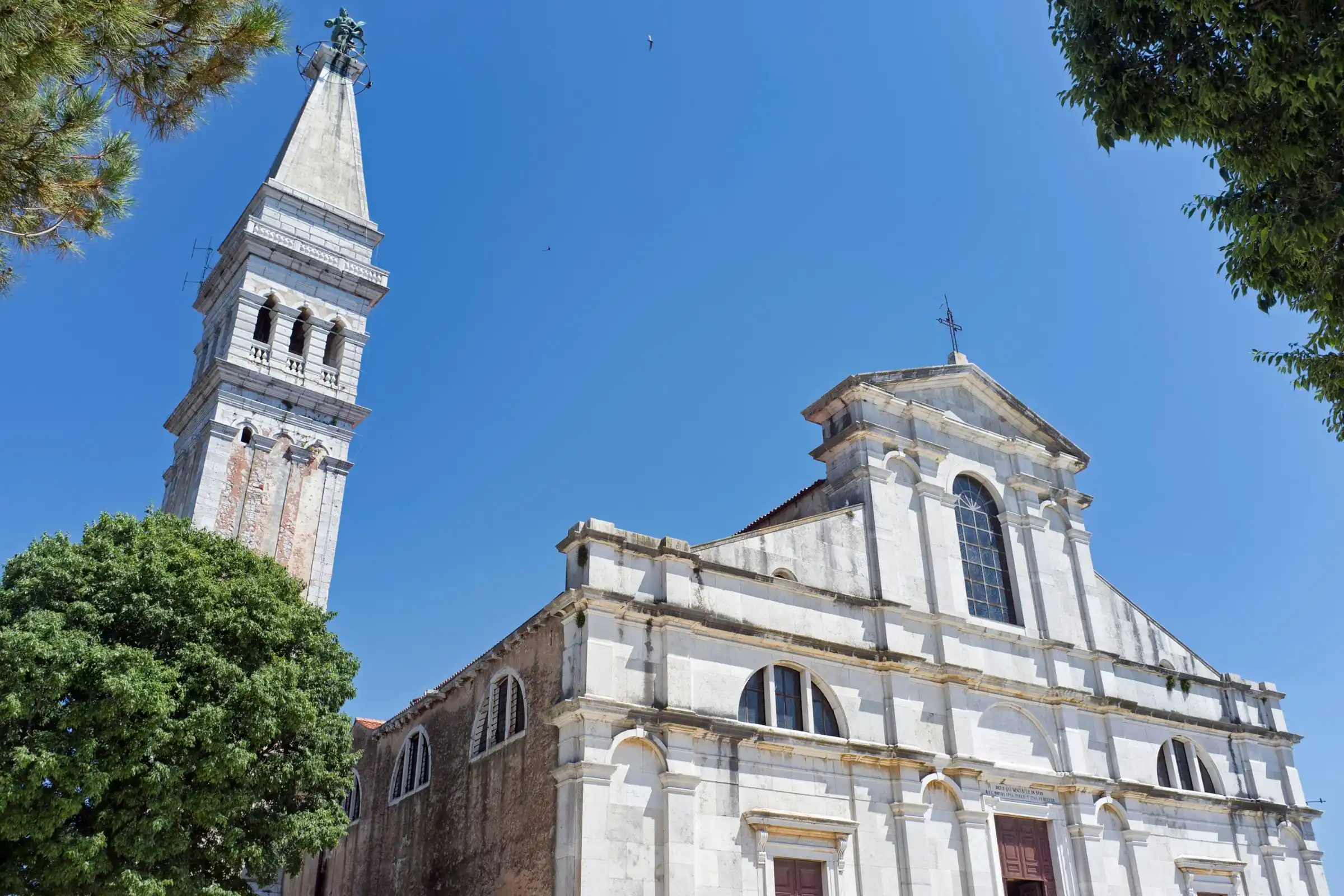
Church and bell tower of St Euphemia
A Baroque church housing the saint’s sarcophagus and a panoramic bell tower modelled on St Mark’s Campanile — the best view of the archipelago.
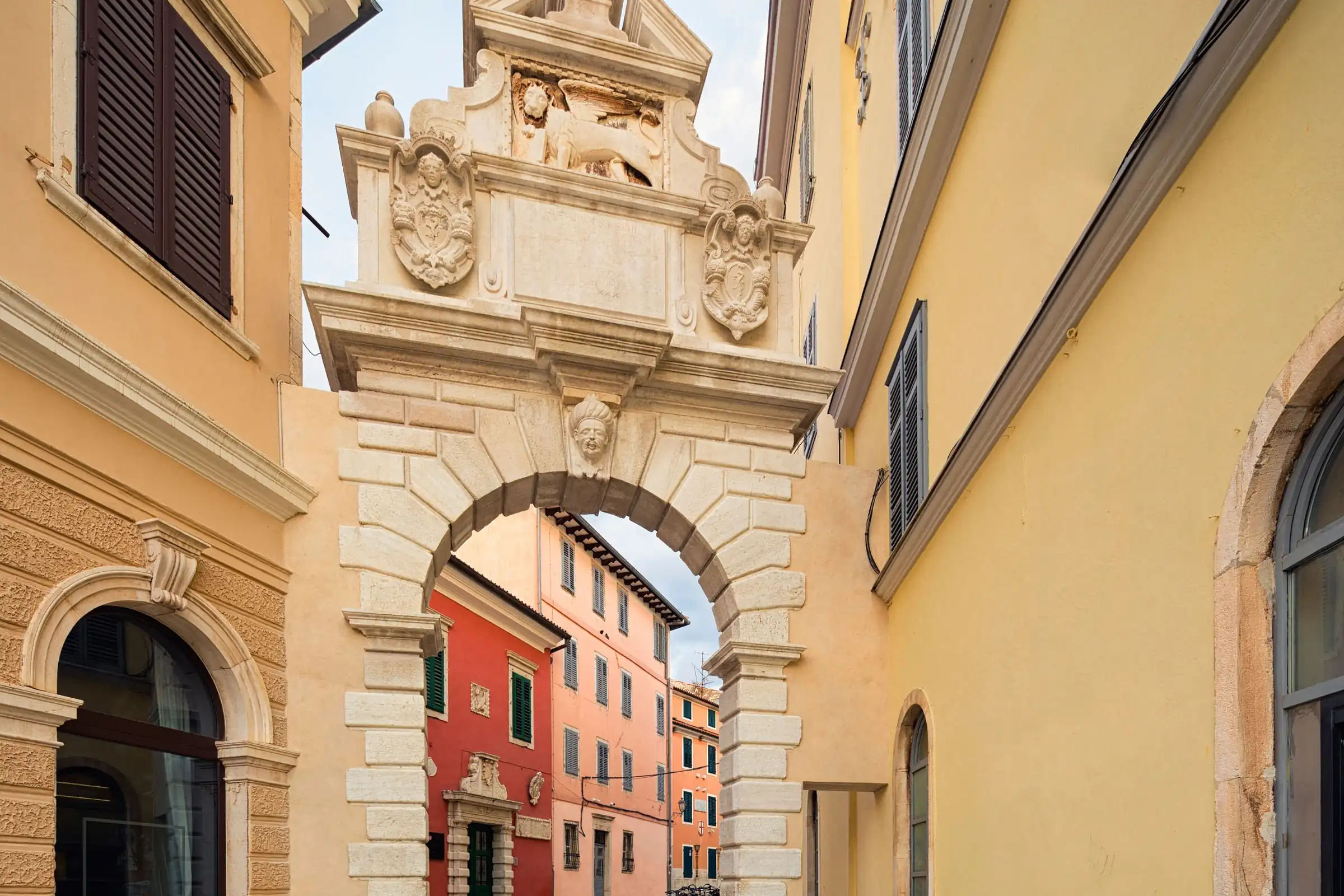
Balbi’s Arch and Grisia
The main 17th-century entrance to the old town and its most famous street — galleries, studios and a summer open-air exhibition.
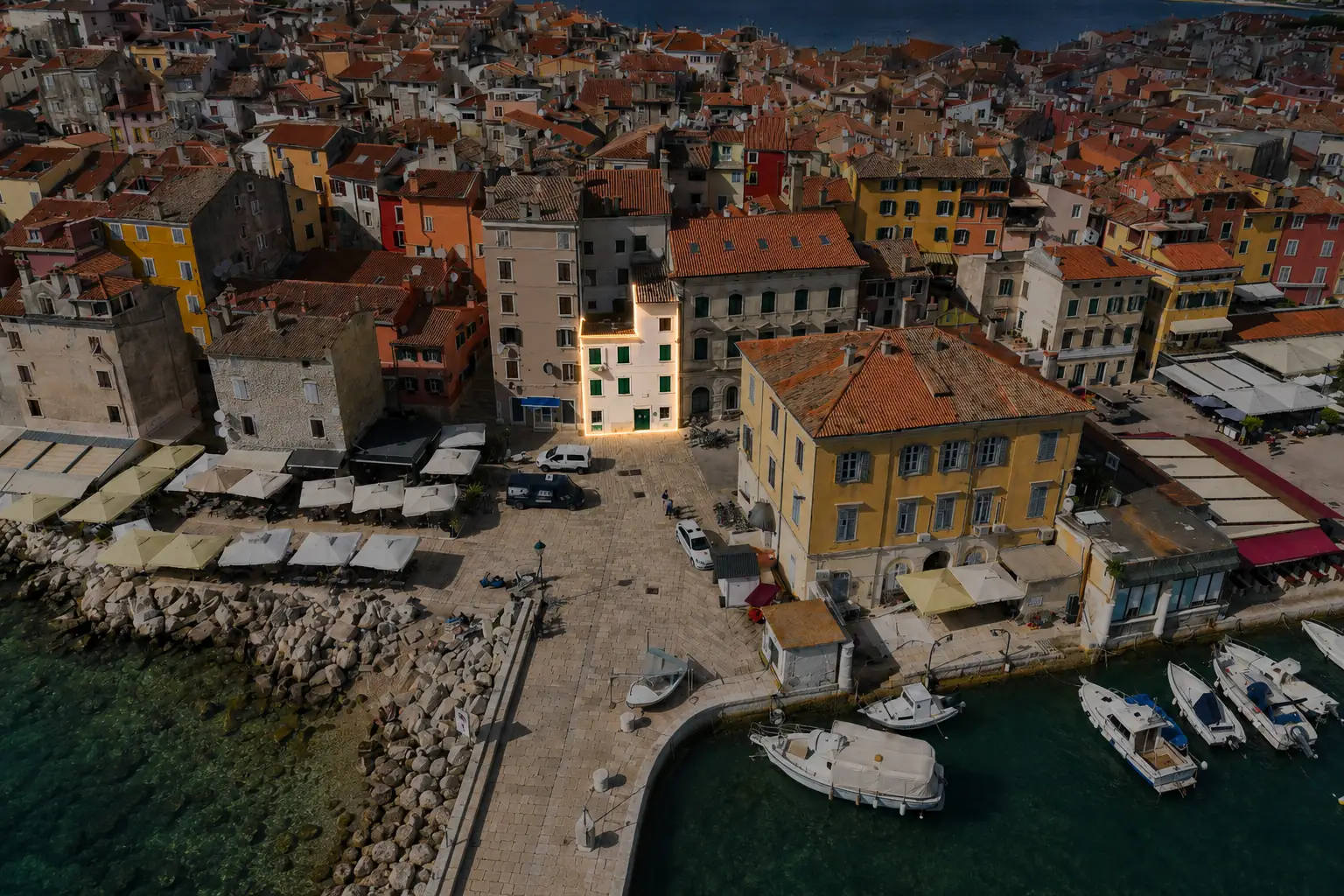
Batana House (Eco-Museum)
The story of the traditional flat-bottomed boat and Rovinj’s living maritime culture; summer batana rides and dinners in a spàcio. 🔶 programmes
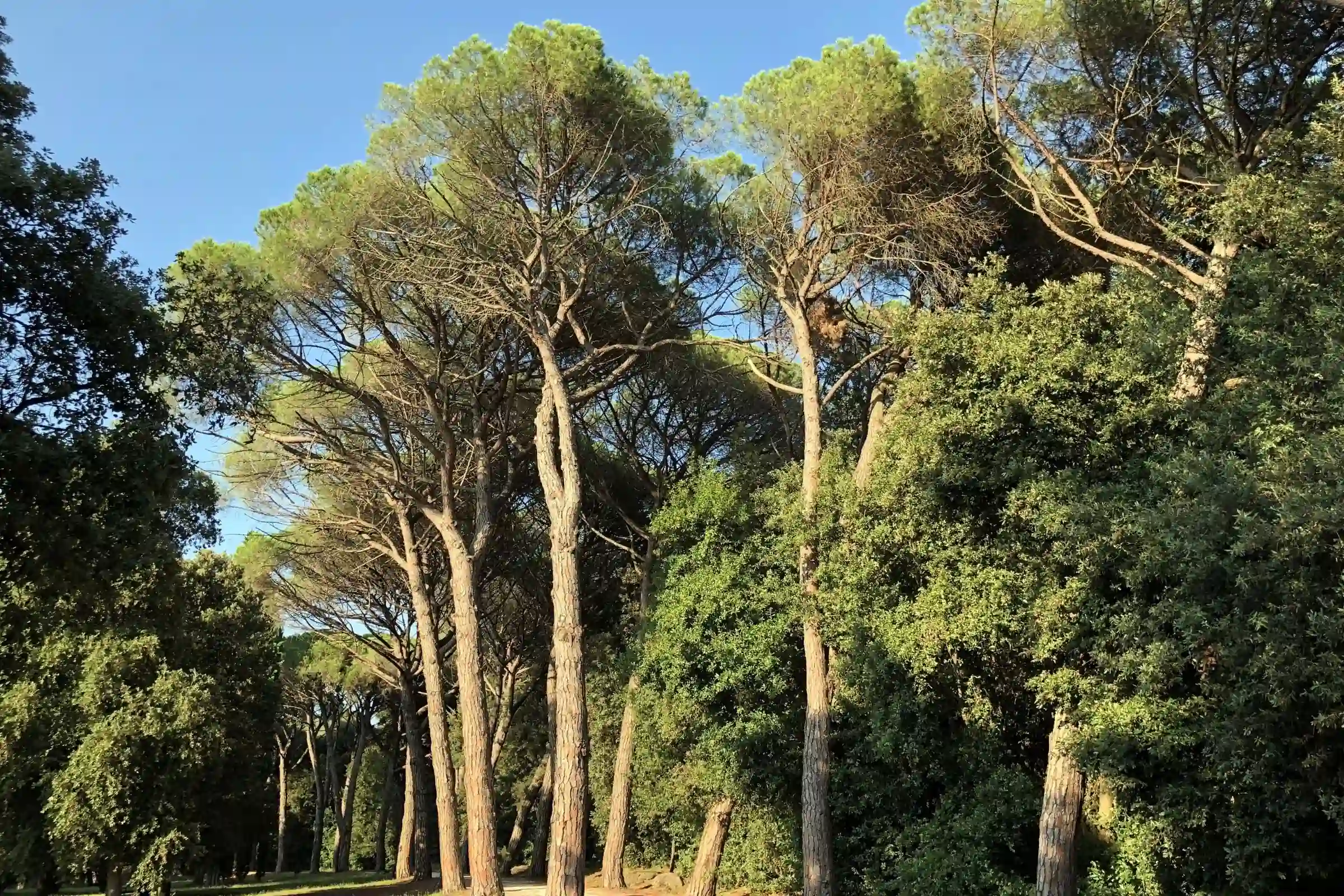
Golden Cape Forest Park
Centuries-old pine trees, rocky coves and walking and cycling trails — the most important green escape from the centre, with places to swim.
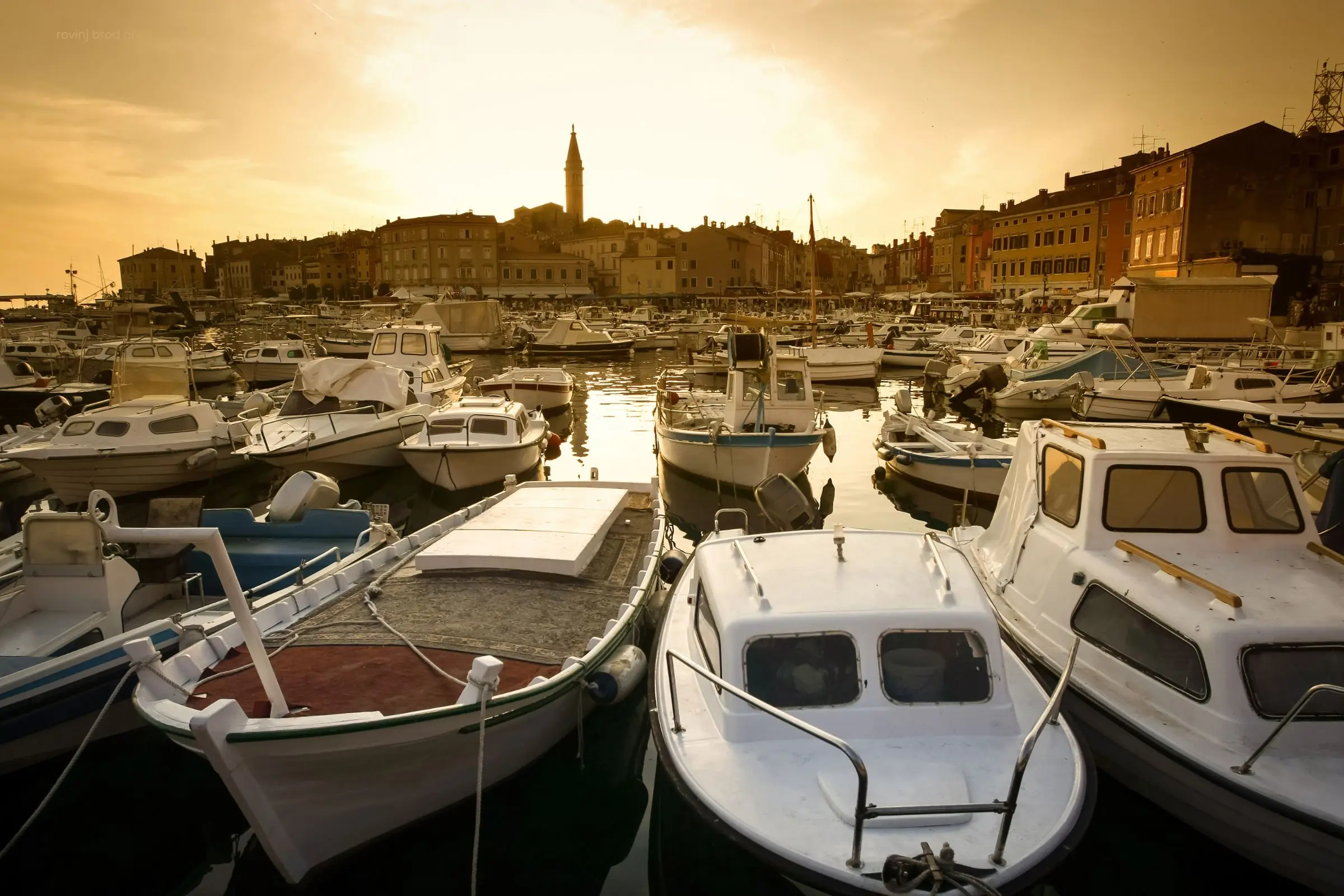
Boat tour of the archipelago
Round trips, fish picnics, dolphin watching and sunset tours around 22 islets — an experience that makes Rovinj special. 🔶 departures
View excursion offers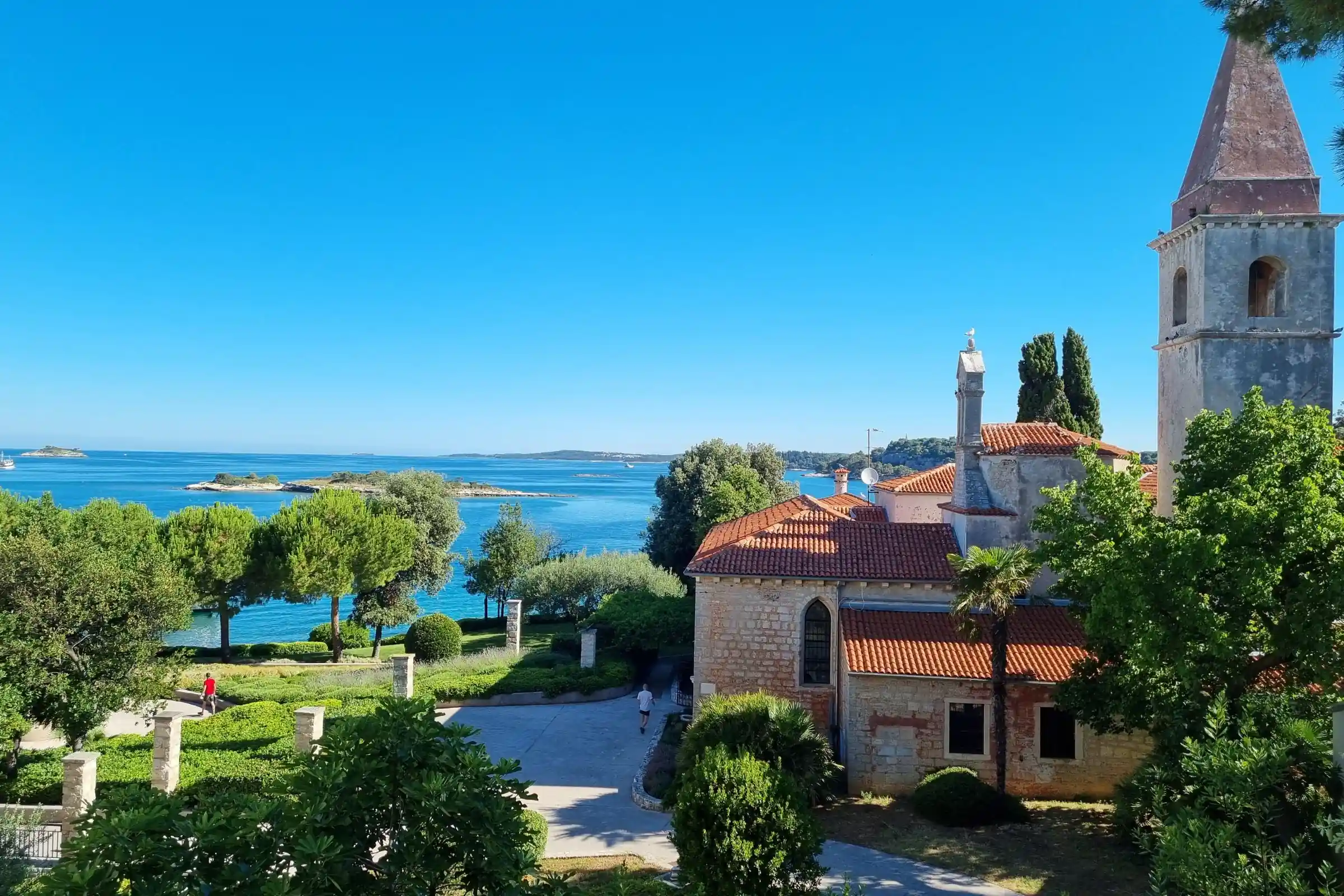
St Catherine’s Island and Red Island
The nearest island excursions by boat from the centre: views back towards the old town, pine forests and swimming in secluded coves. 🔶 timetable

Rovinj Town Museum
The historical and archaeological heritage of the Rovinj area displayed in a Baroque palace — a good choice for a rainy day. 🔶 check status following renovation

Rovinj Aquarium
One of the oldest aquariums of its kind; discover the underwater world of the northern Adriatic up close — also a welcome escape when it is too hot.
Orientation
Map of Rovinj and weather
Main locations and current conditions in one place. Click a marker on the map for details and directions.
Marked: Old Town · Church of St Euphemia · Rovinj harbour · Balbi’s Arch · Golden Cape · Mulini · Lone · Cuvi · Bus station
Weather in Rovinj
The best areas to stay in Rovinj
Choose according to the type of trip — from the atmospheric old town to family-friendly resorts.
Old Town
Just steps from the waterfront, St Euphemia and restaurants — the most atmospheric option. Downsides: steps, seasonal crowds and parking outside the old town.
Southern coast (Lone / Golden Cape)
Close to the forest park, beaches and higher-category hotels, while still within a comfortable walk of the old town.
Monte Mulini
The city’s leading premium area: designer hotels, wellness facilities and Mulini Beach beside the promenade towards Golden Cape.
Northern resorts and campsites
More space, facilities for children and easier parking along the coast north of the centre; ideal if travelling by car.
The best beaches in and around Rovinj
Rocky coves and well-maintained pebble beaches — the most beautiful are around Golden Cape and on the islands.
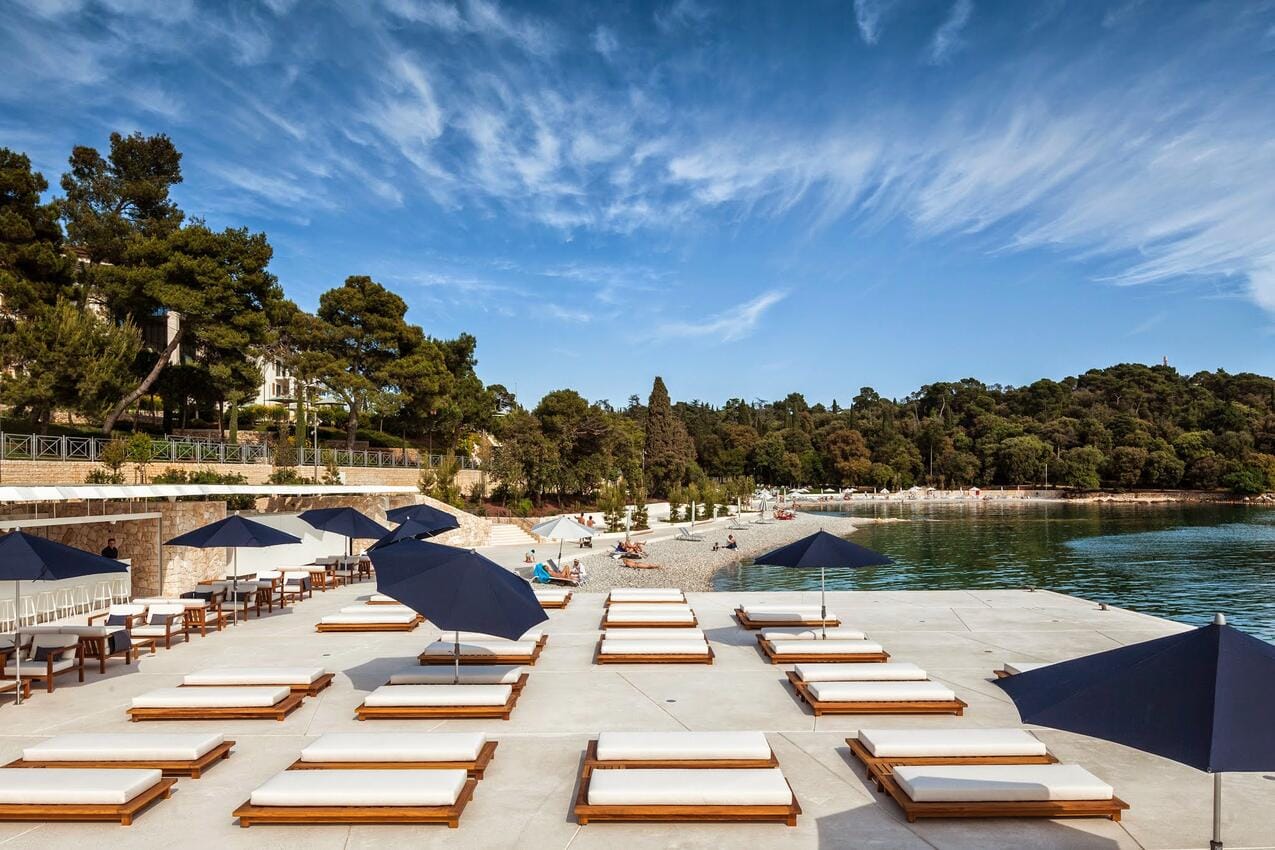
A well-maintained rocky and pebble beach beside the hotel zone, with bars, sun loungers and a wonderful sunset atmosphere.
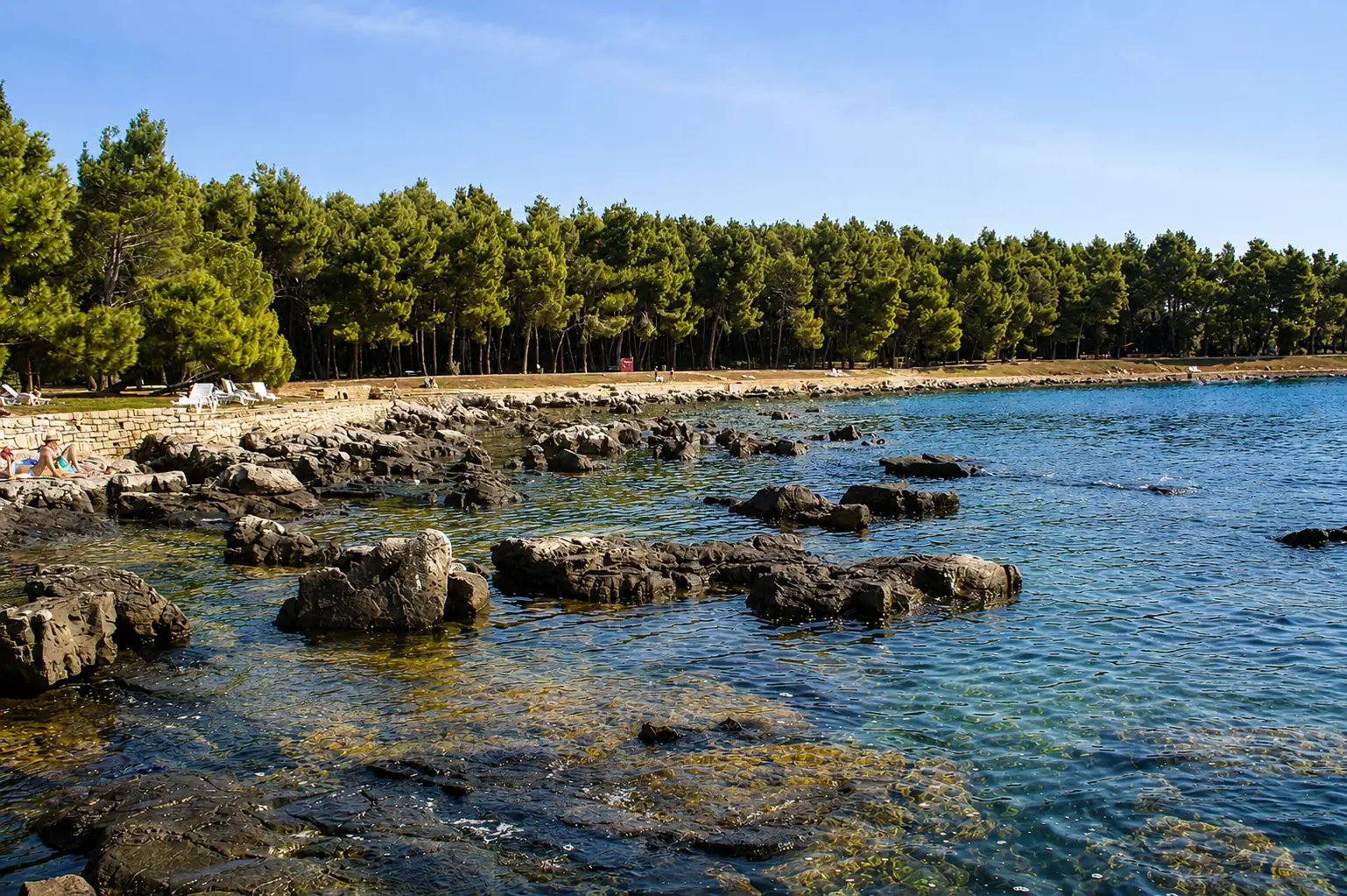
Fine pebbles and a shallow entrance to the sea — one of the most frequently recommended beaches for families with young children.
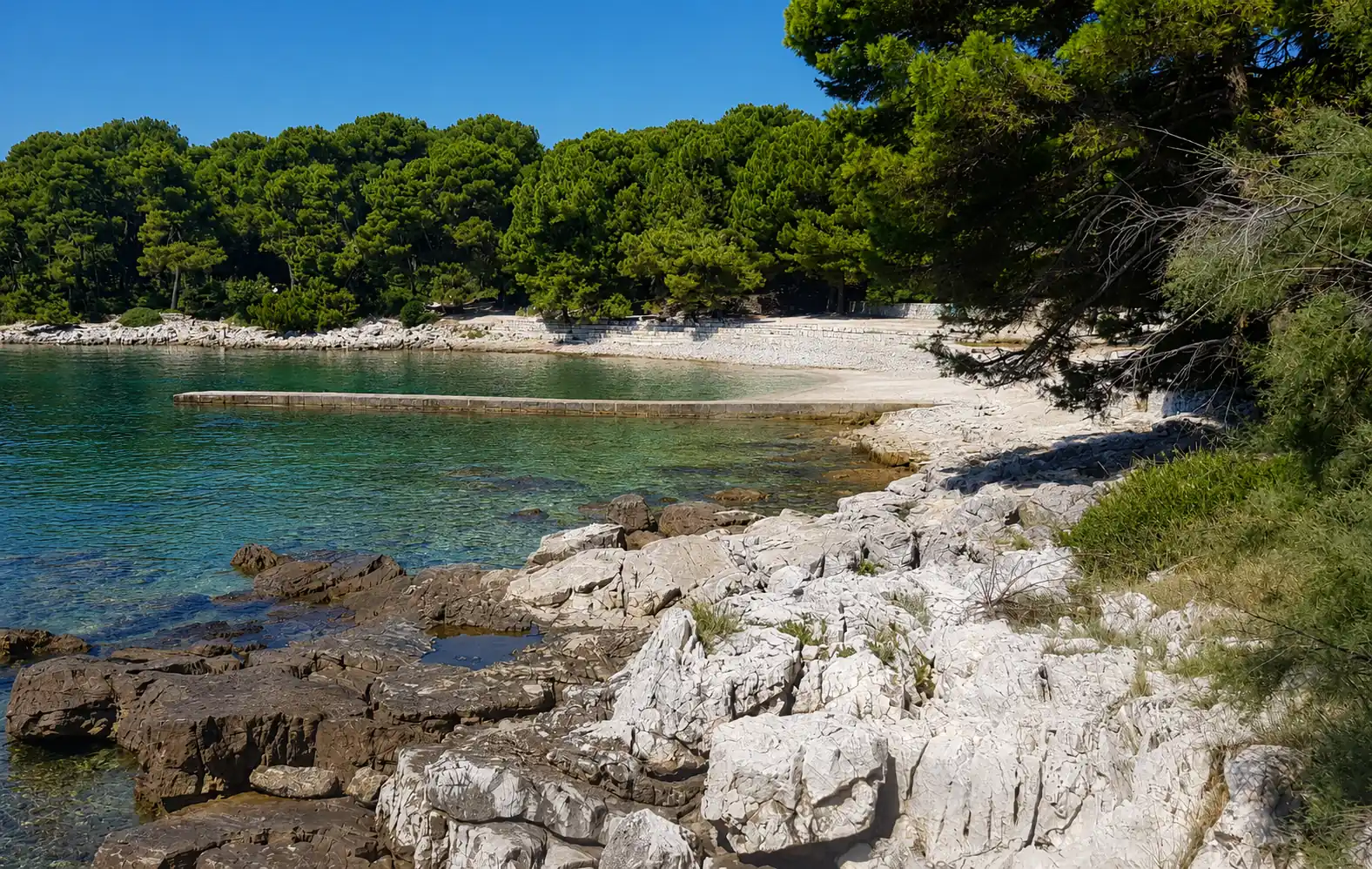
Rocky coves shaded by pine trees with exceptionally clear water; a more natural setting, so bring water shoes.
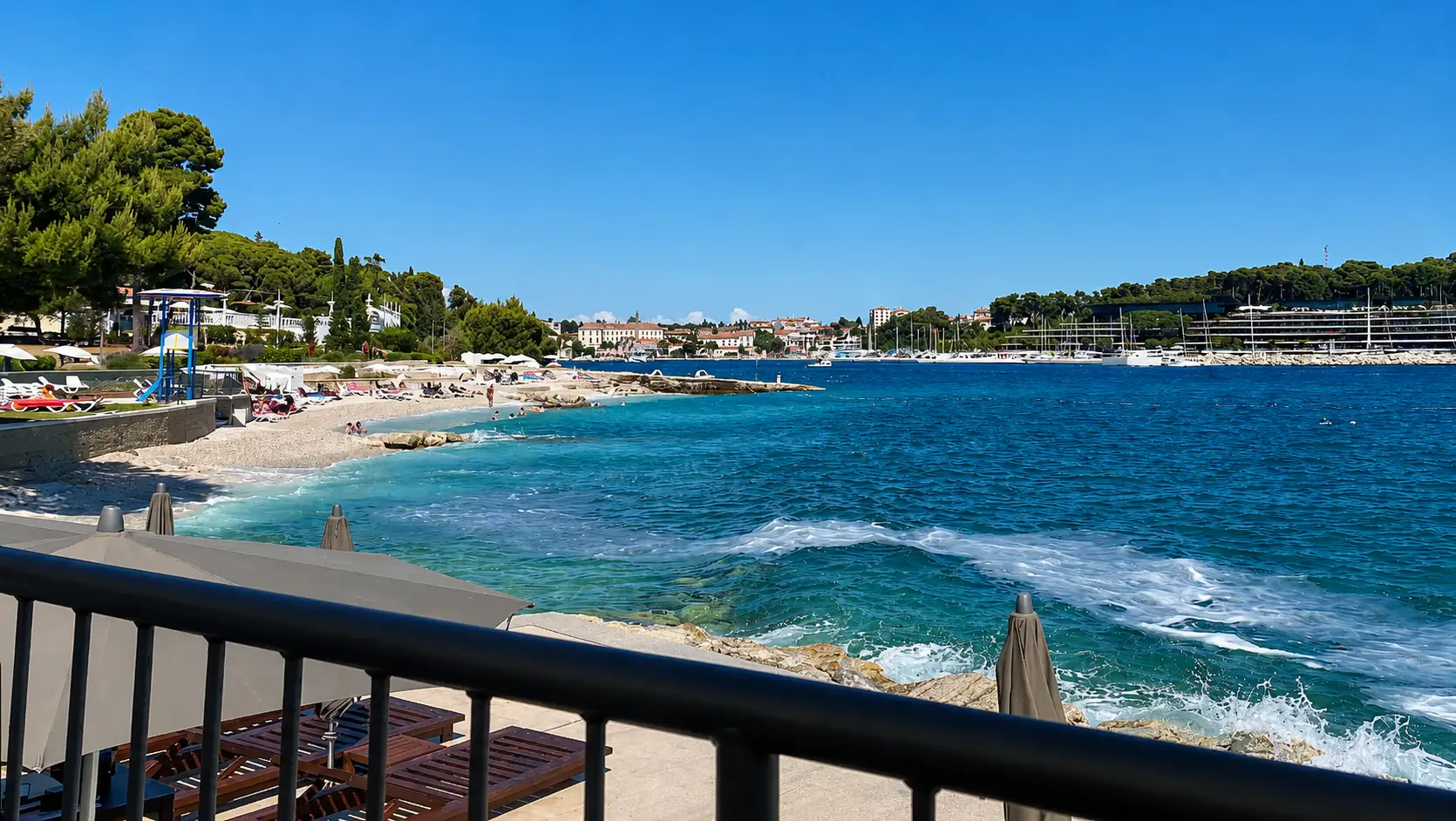
Island coves overlooking the town — a short boat ride for a full day of swimming. 🔶 timetable
🔶 Tip: for a resort atmosphere with swimming pools, visit Val Saline north of the town, while nature lovers should explore Palud — the only ornithological reserve in Istria.
Rovinj in 1, 2 and 3 days
Ready-made suggestions to adapt to your own pace — for couples, families and those exploring Istria.
Rovinj in 1 day
Highlights without rushing.
- MorningOld Town
Balbi’s Arch, Grisia and the old town’s narrow streets.
- MiddaySt Euphemia
Visit the church and climb the bell tower for panoramic views.
- AfternoonGolden Cape or Mulini
Go for a swim, then watch the sunset on the waterfront.
Rovinj in 2 days
Town + sea + batana.
- Day 1Old Town and St Euphemia
As above, followed by a batana ride or dinner by the sea in the evening.
- Day 2 — morningGolden Cape
Walk or cycle through the park and swim in its coves.
- Day 2 — afternoonArchipelago
Take a boat tour or visit St Catherine’s Island.
Rovinj in 3 days
Add a day trip around Istria.
- Days 1–2Town, beaches and archipelago
As above.
- Day 3 — option ALim Bay
Visit by boat or car, with shellfish and fresh fish along the way.
- Day 3 — option BMonkodonja and Palud
Bronze Age heritage and peaceful birdwatching.
How to get to Rovinj (and where to park)
Check changeable information such as timetables, prices and parking before departure. 🔶
By plane — Pula (nearest), Trieste, Rijeka
The most convenient option is Pula Airport — the transfer to Rovinj takes approximately 35–45 min by car or bus. Alternatives include Trieste (approx. 1 hr 45 min) and Rijeka (approx. 1 hr 30 min); Zagreb generally only makes sense if you find a cheaper fare (bus approx. 4 hrs+). 🔶
By car and parking — what you need to know
Rovinj is reached via the Istrian Y motorway (A9). The old town is a pedestrian zone — leave your car at one of the municipal car parks around the edge of the historic centre:
- Velika Valdibora and Mala Valdibora — the closest to the old town
- Boksiti, Nova Hladnjača, Fra Pavla Pellizzera
A daily ticket at outdoor car parks is approximately €25 in season (April–October) and €15 in winter, with different hourly rates depending on the zone — prices change, so check before travelling. 🔶
By bus
One of Rovinj’s major advantages is that the bus station is located at Trg na Lokvi 6, just a few minutes’ walk from the waterfront and the old town. There are good connections with Pula, Poreč, Rijeka, Zagreb and Trieste. 🔶
By boat — seasonal routes
During the season, catamaran services connect Rovinj with Venice, Trieste and Piran, alongside local boats to the islands. Timetables change from year to year — check before travelling. 🔶
Getting around the town
Rovinj is best explored on foot or by bicycle (the trails towards Golden Cape are excellent). A seasonal tourist road train connects certain areas of the town; tickets cost approximately €4 for adults and €2 for children aged 3–10, while children under 3 travel free. 🔶
The best time to visit Rovinj
May–June and September offer warm sea temperatures, open attractions and fewer crowds in the old town.
May – June
Early season
Pleasant for exploring the old town and cycling, with the sea warming up and lower prices and fewer crowds than in peak season.
July – August
Peak season
The height of the season: festivals, batana evenings and warm sea temperatures, but also the largest crowds and highest prices. 🔶
September – October
Late season
Warm sea temperatures, the St Euphemia festival and truffle season — often the best overall balance.
November – March
Winter
A peaceful, photogenic town without the crowds; some attractions are closed and the sea is too cold for swimming.
Events and festivals in Rovinj
Annual highlights of the Rovinj summer — check the current calendar for exact dates for the relevant year. 🔶
Food and local experiences
What to try: fresh seafood and fish rooted in the batana tradition, Istrian pasta such as fuži and pljukanci (ideally with truffles), maneštra and Istrian frittata, accompanied by olive oil and honey from local producers.
Where to look: the old town and waterfront for a seaside atmosphere; the Mulini area for fine dining; the market for the local morning rhythm and fresh produce.
Sweets and wine: fritule, kroštule and cukerančići, paired with a glass of Malvazija or Teran. We are preparing a separate article with specific restaurant recommendations.
Must-try
- Fuži with truffles
- Pljukanci
- Maneštra
- Istrian frittata
- Fish and shellfish
- Malvazija and Teran
- Fritule and kroštule
Day trips from Rovinj
The channel known as a fjord, imperial islands and hilltop towns — Istria is within easy reach from Rovinj.
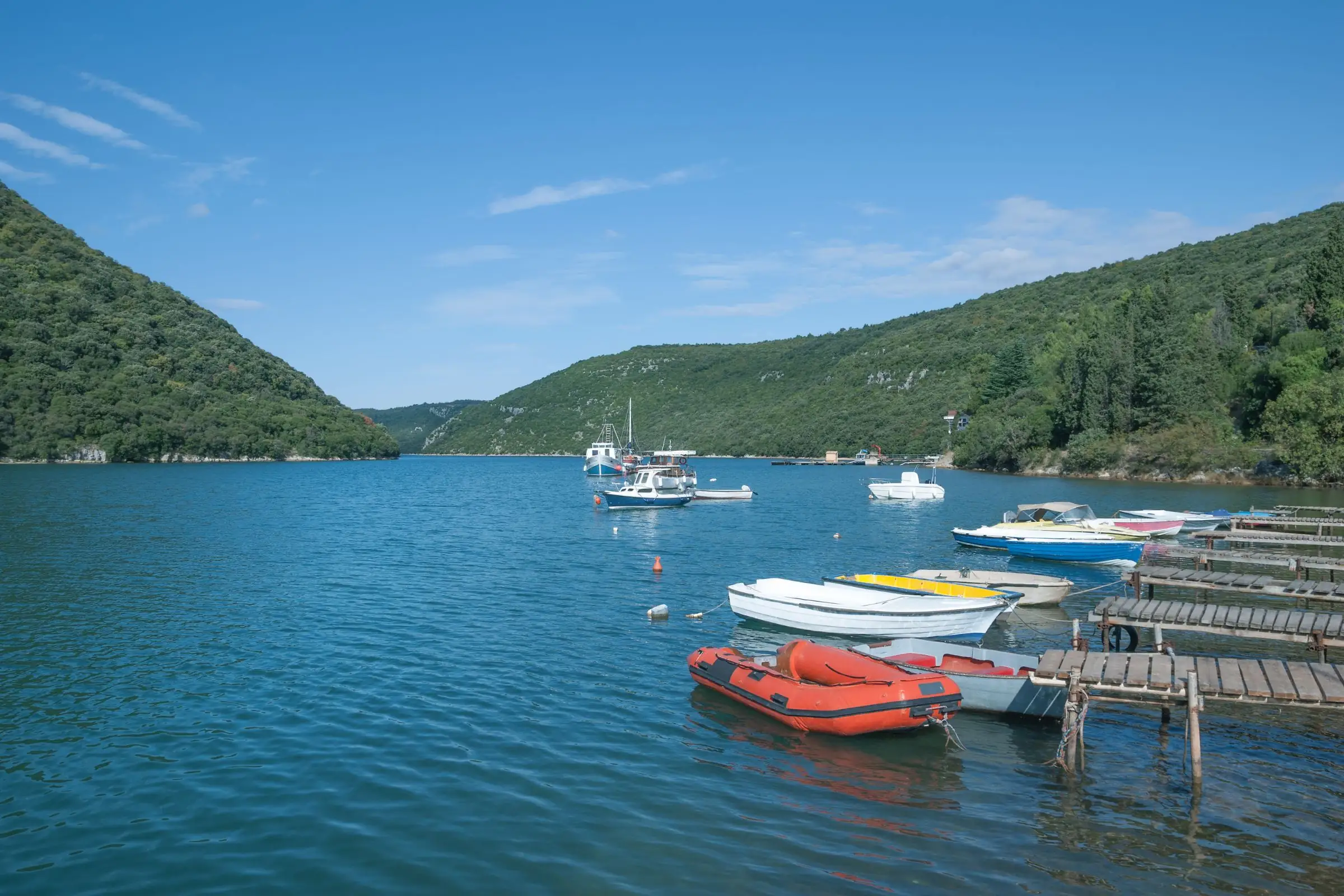
Lim Bay
A 12 km-long submerged karst canyon; visit by boat or car and enjoy shellfish and fish from local farms.
More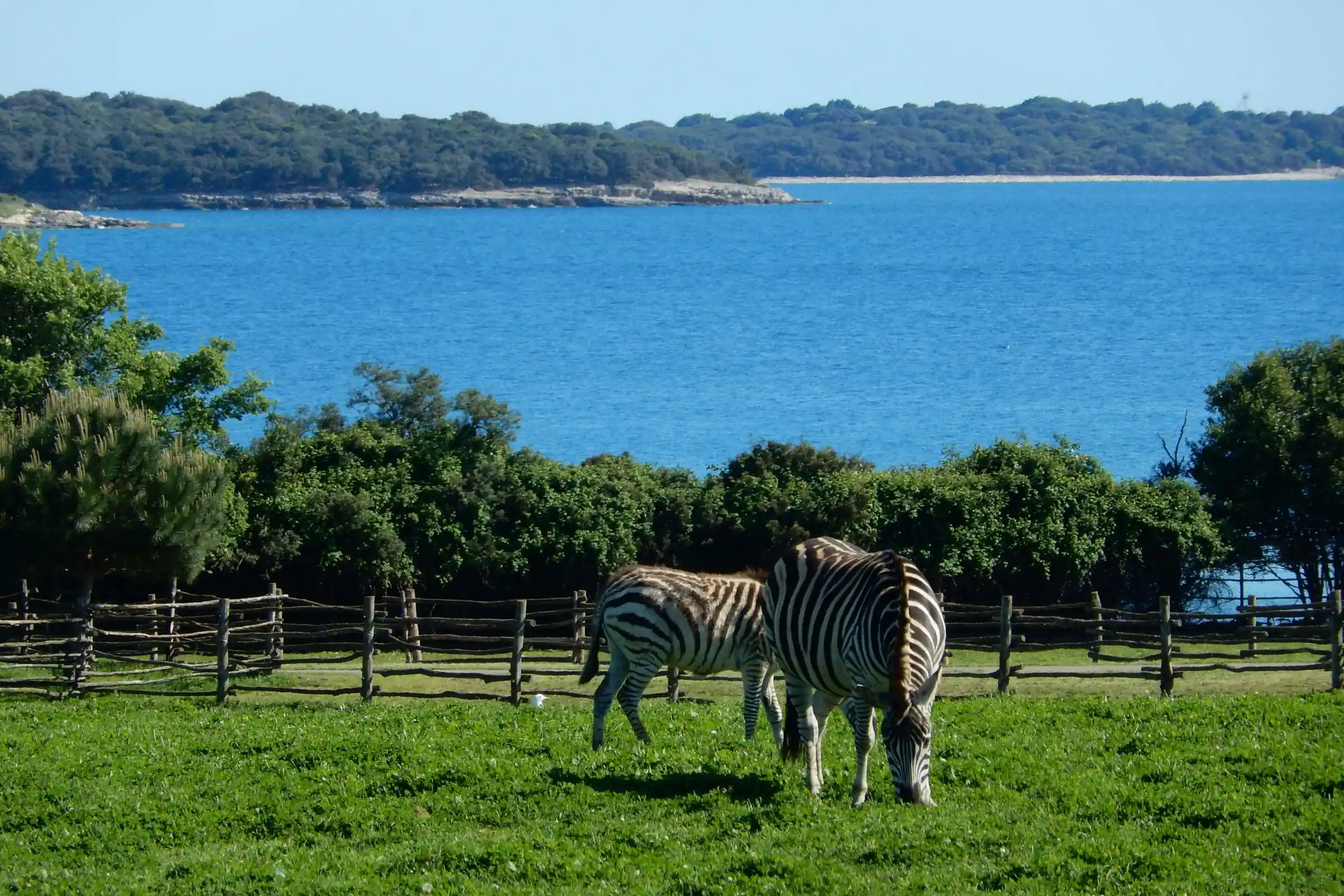
Brijuni National Park
An archipelago with Roman villas, a safari park and Tito’s legacy; take a boat trip from Fažana.
More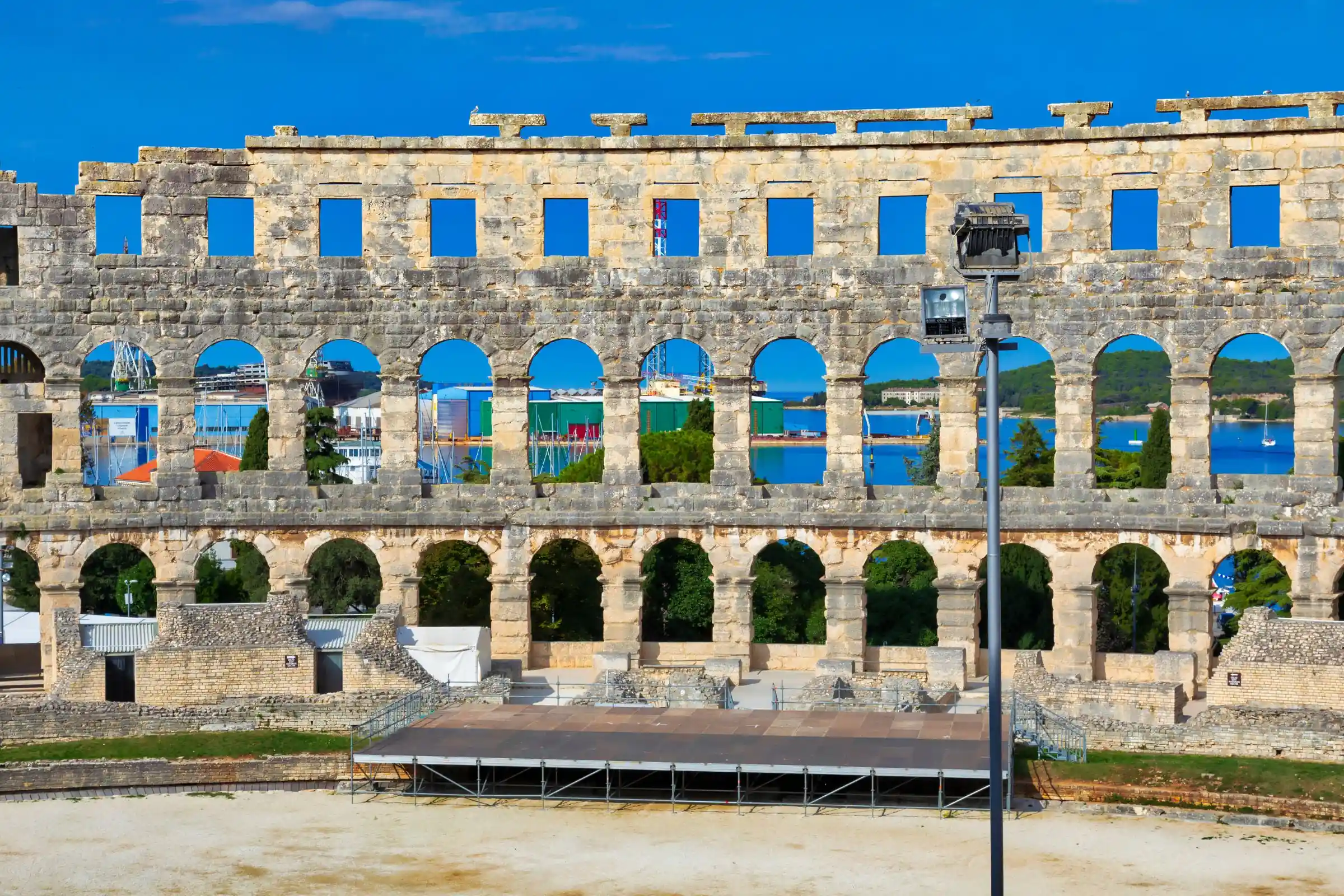
Pula
The Roman Arena is one of the best-preserved amphitheatres in the world; approximately 40 minutes’ drive south.
More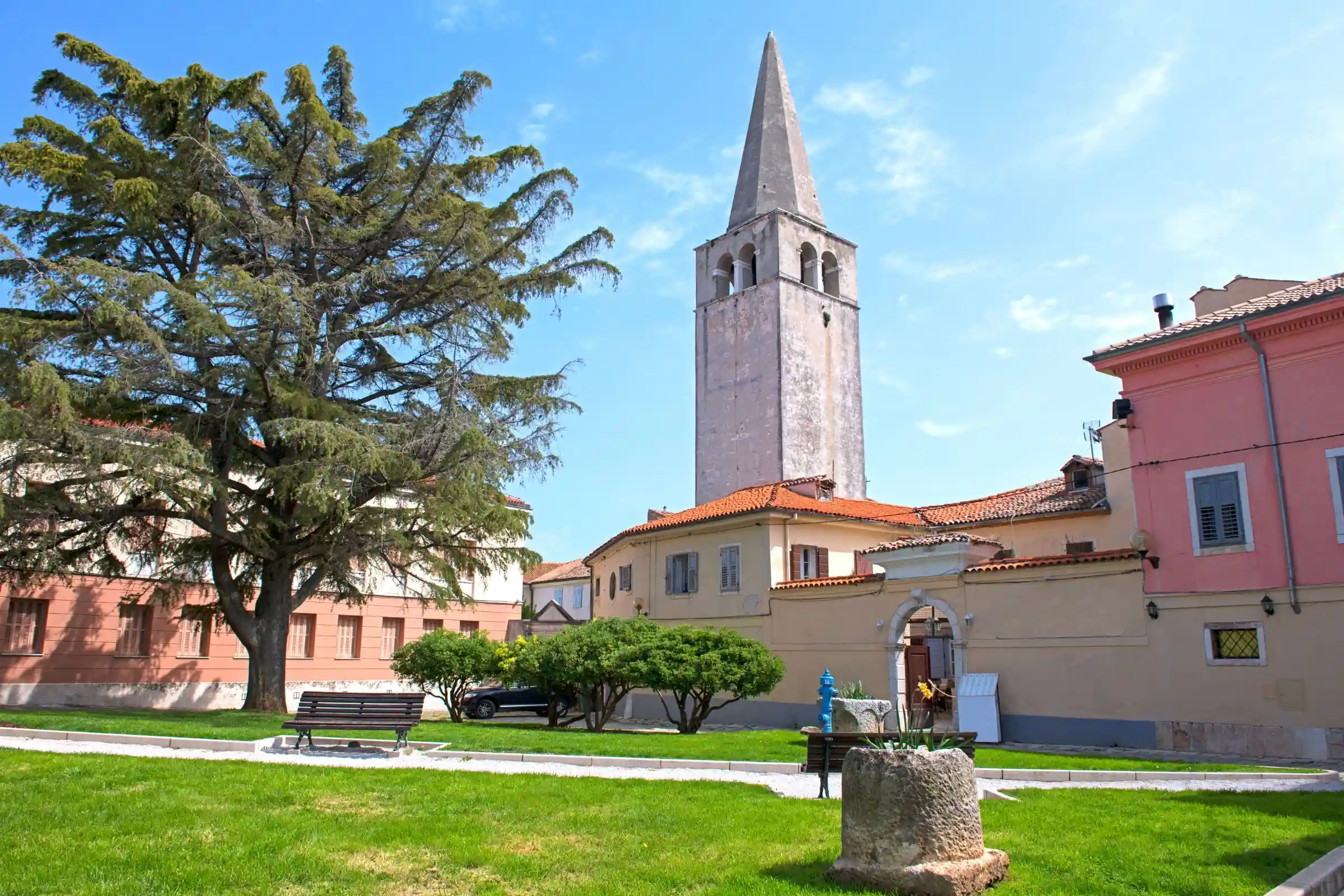
Poreč
The UNESCO-listed Euphrasian Basilica and a lively waterfront; approximately 35 minutes north along the coast.
More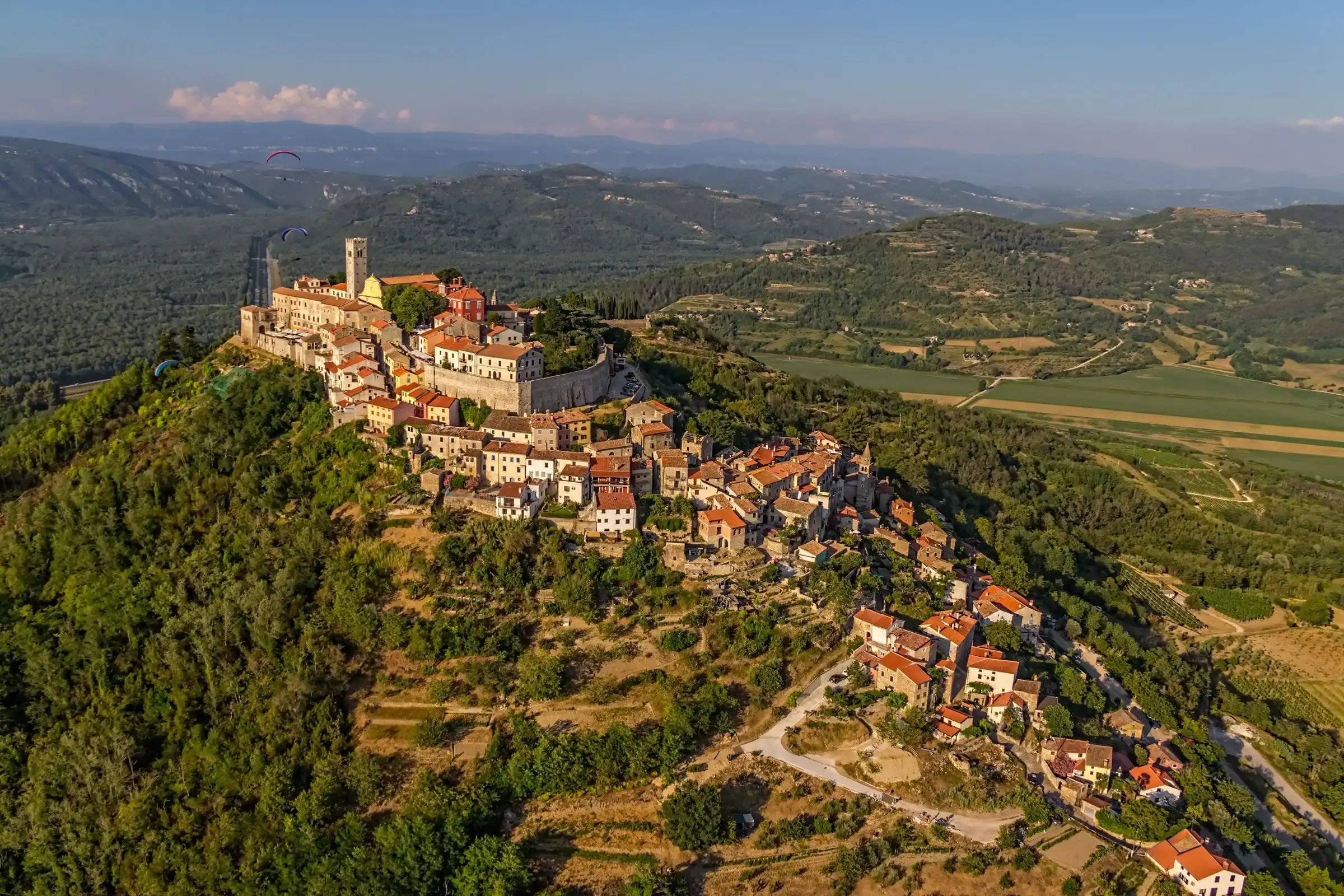
Motovun and Grožnjan
Hilltop towns overlooking vineyards and the Mirna Valley — truffles, galleries and sweeping views.
More Coming soon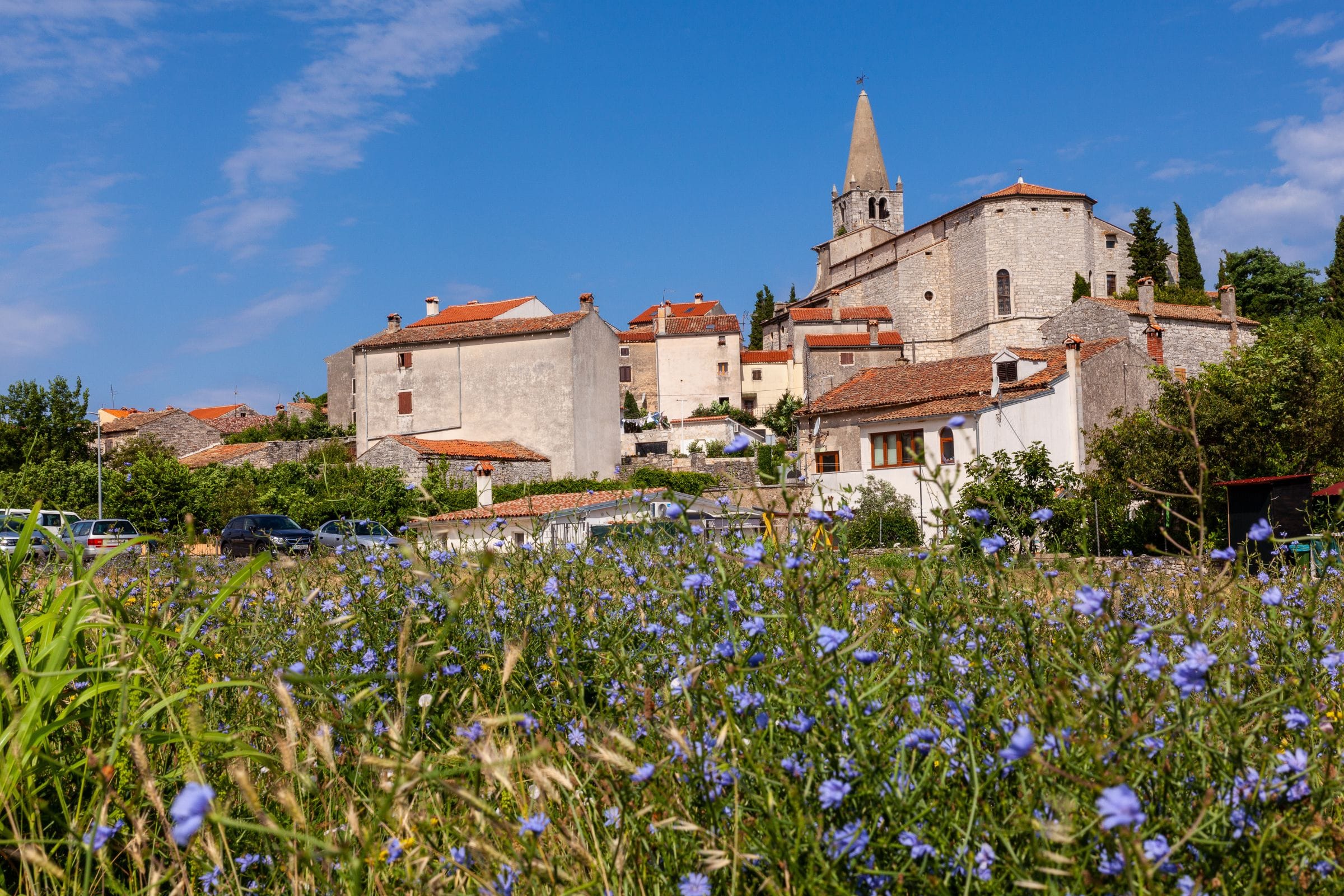
Bale and Vrsar
Two charming towns near Rovinj: stone-built Bale inland and Vrsar overlooking the entrance to Lim Bay.
More Coming soonEverything travellers most often ask about Rovinj
Is Rovinj worth visiting?
Yes — its combination of old-town atmosphere, the sea, beaches close to the centre and excellent cuisine makes it one of Istria’s most appealing destinations, and it is also an excellent base for day trips.
How many days do you need in Rovinj?
One day is enough for the highlights, but for a balanced experience of the town, beaches and at least one day trip, it is most realistic to allow 2–3 days.
What are Rovinj’s main attractions?
The Old Town, the Church and bell tower of St Euphemia, Balbi’s Arch, Grisia, the Batana House, Golden Cape Forest Park and the Rovinj archipelago, including St Catherine’s Island and Red Island.
Can you explore Rovinj without a car?
Yes — the Old Town is a pedestrian zone, the bus station is right beside the centre, and walking, cycling and the seasonal tourist road train are excellent ways to get around. 🔶
Where can you park in Rovinj?
At municipal car parks around the edge of the Old Town — Velika Valdibora and Mala Valdibora are the closest, while Boksiti, Nova Hladnjača and Fra Pavla Pellizzera are also available. A daily ticket at outdoor car parks costs approximately €25 in summer. 🔶
Which is the nearest airport?
Pula, with a transfer time of around 40 minutes depending on the type of transport and time of travel; alternatives include Trieste (approx. 1 hr 45 min) and Rijeka (approx. 1 hr 30 min). 🔶
Which are the best beaches near the centre?
Mulini and the coves of Golden Cape are a short walk from the Old Town, while Cuvi is the most frequently recommended option for families with young children. The island beaches on St Catherine’s Island can be reached by boat from the centre.
Is Rovinj suitable for families?
Yes — Cuvi Beach, the aquarium, island excursions, easy cycling routes and northern resorts with campsites make it very practical for children. The only drawback is that the Old Town’s cobbled streets and steps are not ideal for pushchairs.
What can you do in Rovinj in the evening?
Take a sunset walk along the waterfront, climb to St Euphemia in the evening, enjoy a batana experience with dinner in a spàcio, attend summer festival concerts or have dinner by the sea.
Where is the best place to stay for a first visit?
Choose the Old Town for the most atmosphere or the southern coast towards Golden Cape for a combination of beaches and an easy walk to the historic centre; Monte Mulini is best for luxury, while the northern resorts suit families.
Is Rovinj expensive?
It has a strong premium offering, particularly around Mulini and in fine-dining restaurants, but there is also a wide range of apartments, rooms and campsites — so the overall cost depends greatly on the area and time of year. Prices are lowest outside the peak season. 🔶
What are the best day trips from Rovinj?
Lim Bay, Brijuni National Park, Pula, Poreč, and the inland towns of Motovun and Grožnjan — as well as boat tours of the Rovinj archipelago departing directly from the town harbour.
Does Rovinj have UNESCO status?
More precisely, the Old Town has been protected as a cultural and historical area within Croatia’s heritage protection system since 1963, while the UNESCO recognition awarded in 2016 applies to the Batana Eco-Museum project and its work to preserve living maritime heritage.
Related guides and articles
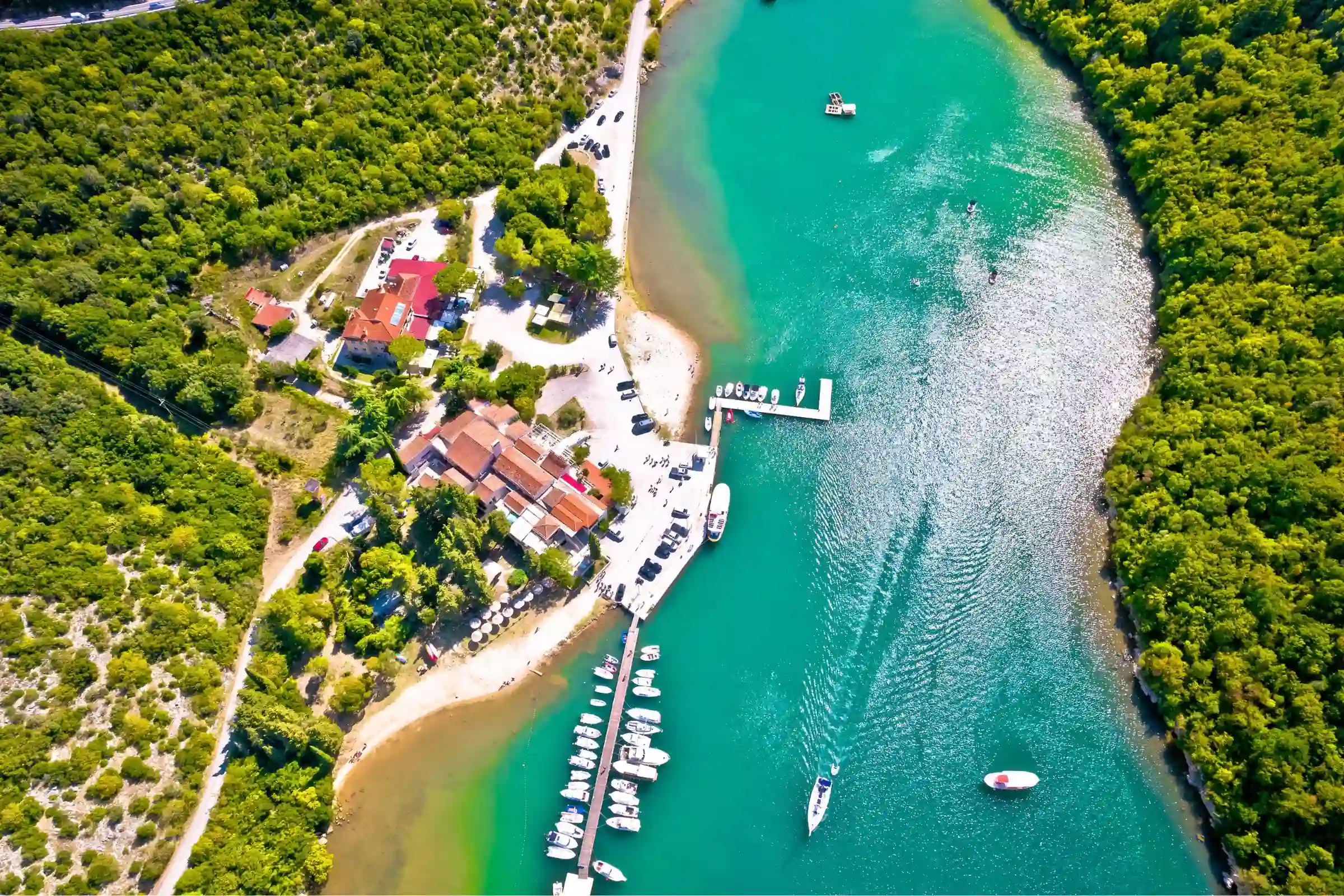
Lim Bay — day trip
Read Coming soon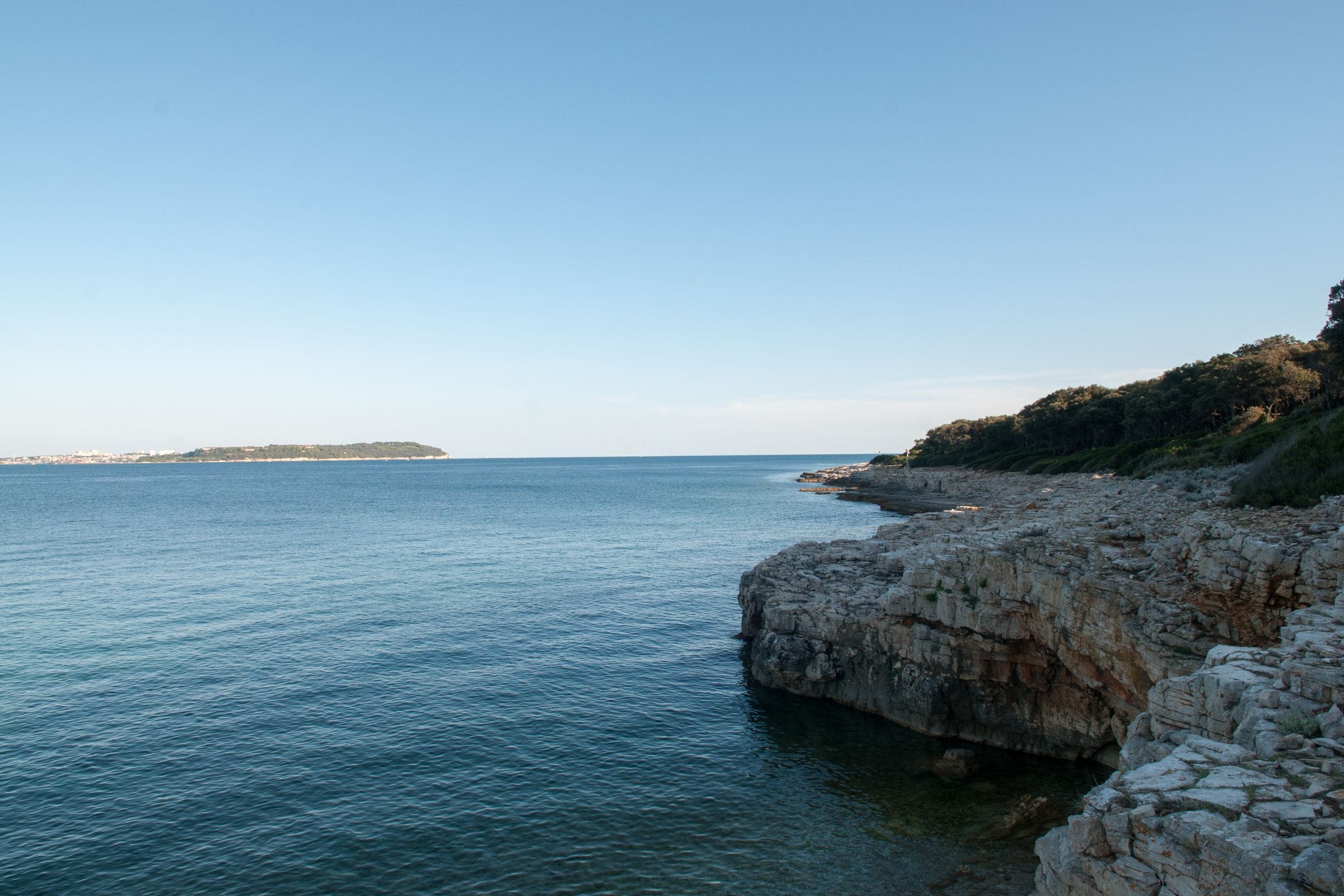
Brijuni National Park — guide
Read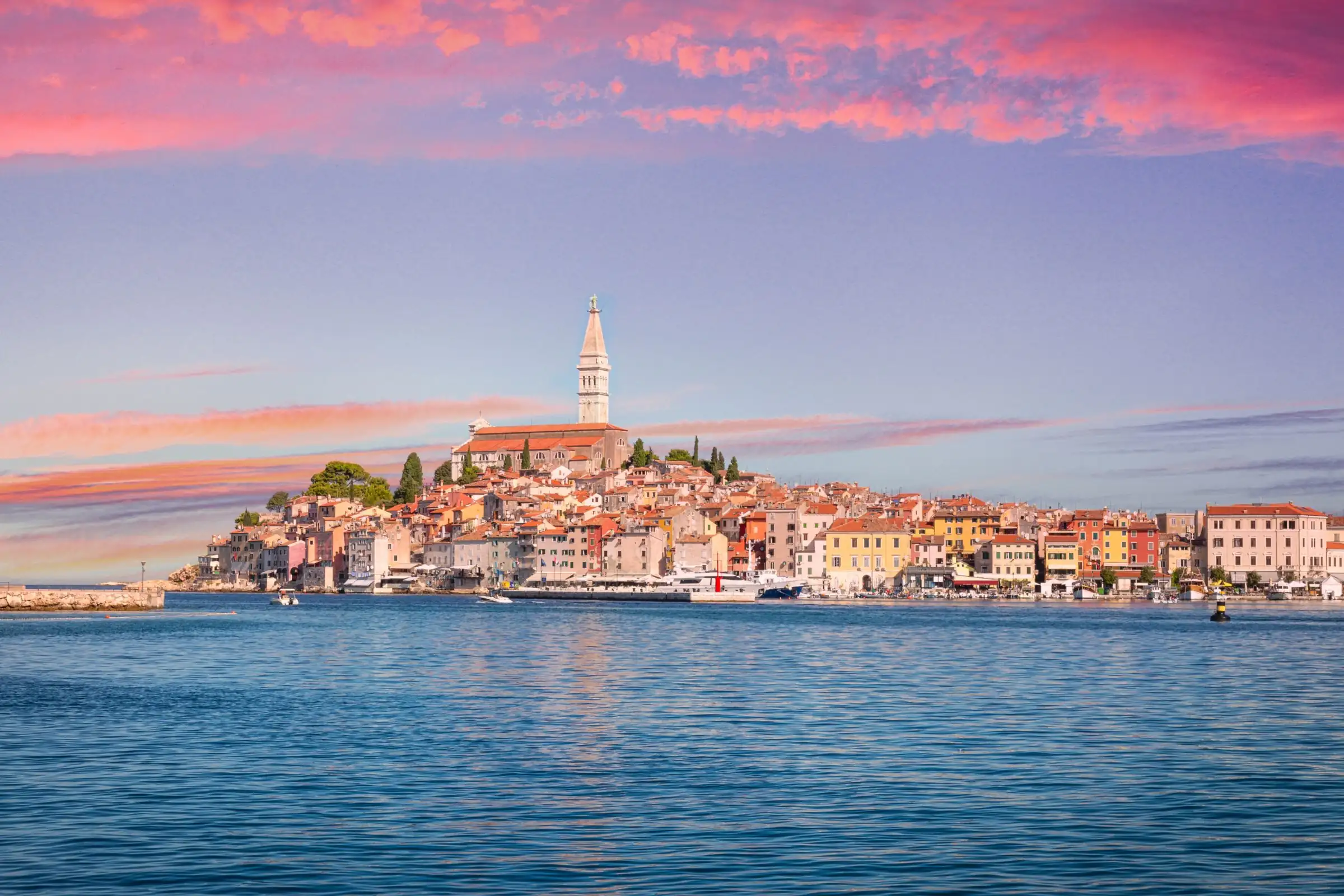
The best beaches in Rovinj
Read Coming soon