Guide to Croatia · 2026
Everything you need to know for a perfect trip to Croatia
Destinations, beaches, transport, accommodation, prices, and all practical information — all in one place, from planning to your return home.
- 📍 12 regions
- 🏝️ 1,244 islands
- 🏖️ 1,880 km of coastline
- 🌡️ Season V–X
Discover Croatia
Why Croatia is one of Europe’s most sought-after destinations
Croatia is a Mediterranean country on the eastern Adriatic coast — with 1,244 islands, 8 national parks and 10 UNESCO World Heritage Sites within just 56,542 km² of territory. In other words, one country offers an entire world of experiences.
What makes Croatia special is not only the sea — although its 1,880 kilometres of coastline and exceptional sea quality are truly breathtaking. Its uniqueness lies in its compactness and diversity: in a single day, you can have breakfast by the Venetian streets of Rovinj, lunch in the shadow of Diocletian’s Palace in Split, and dinner on the walls of Dubrovnik.
Croatia is also both safe and accessible. Membership in the European Union and the Schengen Area means travel without border checks. Since 2023, the official currency has been the euro, a modern motorway network connects the northern and southern coast, and five international airports place its cities just a few hours away from most European capitals.
This guide takes you through everything you need to know — from choosing the right region and destination, to practical information about transport, accommodation, and prices, all the way to hidden gems known mostly to locals.

People and stories
The most famous Croats who left their mark on the world
Inventors, scientists, athletes and artists whose names are known beyond Croatia’s borders. Meet the people whose legacy shaped science, sport and culture — and discover where in Croatia you can follow in their footsteps.
Regions
The six faces of Croatia — choose your region
From Istrian olives to Dubrovnik’s city walls, from the Kvarner islands to the plains of Slavonia — every region is a world of its own. Click for a detailed guide.
Istria
A Mediterranean peninsula known for excellent wines, truffles and Venetian-style coastal towns such as Rovinj, Poreč and Pula.
Detailed guide to IstriaKvarner
Where mountains meet the sea — elegant Opatija, the islands of Krk, Cres, Rab and Lošinj, and the green oasis of Gorski kotar just a few hours from the coast.
Detailed guide to KvarnerNorthern Dalmatia
A landscape of Zadar’s Sea Organ, the waterfalls of Krka National Park and the 89 islands of Kornati — where architecture meets the sea.
Detailed guide to Northern DalmatiaCentral Dalmatia
The heart of Croatian tourism — Split with Diocletian’s Palace, glamorous Hvar, peaceful Brač and the Makarska Riviera with some of the most beautiful beaches.
Detailed guide to Central DalmatiaSouthern Dalmatia
Dubrovnik as the crown of the Adriatic, plus the quieter islands of Korčula, Mljet and Lastovo — for those who want both iconic views and authentic Mediterranean tranquillity.
Detailed guide to Southern DalmatiaContinental Croatia
Zagreb with its Austro-Hungarian soul, Plitvice Lakes, the plains of Slavonia and the vineyards of Zagorje — the Croatia you can visit all year round.
Detailed guide to continental CroatiaWhen to go
Weather in Croatia — the best month for your trip
The climate on the Adriatic is ideal from May to October. Check the detailed monthly climate table and find your perfect time to travel.
May – June
Pre-season
Ideal for exploring towns and nature. Pleasant temperatures, flowers in bloom and fewer crowds.
July – August
Peak season
The warmest, sunniest and busiest time of year. A superb beach experience, but expect higher prices and book in advance.
September – October
Golden autumn
The sea is still warm, the crowds fade away and prices drop. The best balance of value and experience in the year.
November – April
Winter and early spring
Zagreb Advent, continental towns, gastronomy and wellness. Peaceful, authentic and much more affordable.
| Month | Air temp. | Sea temp. | Description | Crowds | Recommendation |
|---|---|---|---|---|---|
| January | 6 – 11°C | 13°C | Winter, mild coast, Advent in the cities | Inland | |
| February | 7 – 12°C | 12°C | The quietest month, gastronomy and spa breaks | Wellness | |
| March | 9 – 15°C | 13°C | Early spring, nature activities | Hiking | |
| April | 13 – 19°C | 15°C | Spring, natural beauty and pre-season prices | Cities | |
| May | 17 – 22°C | 18°C | Pre-season, ideal for exploring | Best | |
| June | 21 – 26°C | 22°C | Start of the season, pleasant for everything | Best | |
| July | 25 – 30°C | 25°C | Peak season, the warmest period | Peak | |
| August | 26 – 31°C | 26°C | Peak season, the busiest month | Peak | |
| September | 21 – 26°C | 23°C | The “golden month” — warm sea, fewer crowds | Best | |
| October | 16 – 22°C | 20°C | Post-season, gastronomy, cities and wine | Value | |
| November | 11 – 15°C | 17°C | Late autumn, peaceful, continental cuisine | Inland | |
| December | 7 – 12°C | 14°C | Advent in Zagreb, mild coast | Advent |
How to get there
Croatia is only a few hours away
By plane, car, train or ferry — Croatia is excellently connected with most major European cities. Choose your way to travel.
By plane: 1–3 hours from most European cities
Croatia has 9 international airports, 5 of which offer direct connections with major European cities. Low-cost carriers (Ryanair, Wizz Air, easyJet) dominate the summer season, while Croatia Airlines covers year-round connections.
💡 Pro tip: For Dubrovnik and Split, book 3–4 months in advance — summer prices can reach €300+. The low-cost flight season runs from April to October.
Main airports
- Zagreb ZAG · Year-round Main airport
- Split SPU · Year-round Busiest in summer
- Dubrovnik DBV · Seasonal flights March–November
- Pula PUY · Seasonal flights April–October
- Zadar ZAD · Seasonal flights Ryanair base
- Rijeka RJK · Seasonal flights May–September
By car: no border controls and excellent motorways
Since 2023, Croatia has been part of the Schengen Area — there are no border controls with neighbouring EU countries. The modern motorway network (A1, A3, A6) connects Zagreb with Split, Rijeka and eastern Slavonia.
💡 Pro tip: Tolls are paid by card or in cash at toll stations. Zagreb-Split costs around €30, Zagreb-Dubrovnik ~€50 (including the route through Bosnia and Herzegovina).
Driving times
- Ljubljana → Zagreb 140 km 1h 30min
- Budapest → Zagreb 350 km 4h
- Munich → Zagreb 540 km 6h
- Vienna → Zagreb 380 km 4h 30min
- Warsaw → Split 1 350 km 13–15h
- Berlin → Zagreb 950 km 10h
By train: comfortable, eco-friendly and scenic
Croatia is connected to the European rail network via Slovenia, Hungary and Italy. The summer seasonal “Adriaticum” train directly connects Berlin and Prague with Split, while EuroNight trains operate year-round.
💡 Pro tip: For Polish travellers — the summer train from Kraków via Czechia has a direct connection to the coast. Reservations open 60 days in advance, and night trains offer couchette options (cheaper than a hotel!).
Main train routes
- Adriaticum Berlin/Prague → Split Seasonal VI–IX
- EuroNight Munich → Zagreb Year-round
- Vienna → Zagreb ÖBB Railjet Daily, 4× daily
- Budapest → Zagreb MÁV Daily, 2× daily
- Zagreb → Split HŽ domestic line 6h 30min
- Zagreb → Rijeka HŽ domestic line 4h
By ferry: a journey that already feels like a holiday
Jadrolinija and SNAV sail from Italy to the Croatian coast on regular Adriatic routes. Overnight sailings (8–10h) are popular because they save a day of travel, and most ferries also take cars.
💡 Pro tip: Travelling by ferry from Italy with a car can save you 300+ km of driving through Slovenia. Book cabins early — popular weekends sell out 2 months in advance.
Main ferry routes
- Ancona → Split Jadrolinija, SNAV 10h · year-round
- Ancona → Zadar Jadrolinija 7h · seasonal
- Bari → Dubrovnik Jadrolinija 10h · seasonal
- Pescara → Split SNAV 8h · seasonal
- Venice → Pula Venezia Lines 3h 30min · seasonal
- Venice → Rovinj Venezia Lines 3h · seasonal
Top destinations
Cities you simply have to see
From Dubrovnik in the south to Pula in the north — every city has its own story, atmosphere and reasons why it is worth a visit.
 Southern Dalmatia
⭐ UNESCO
Southern Dalmatia
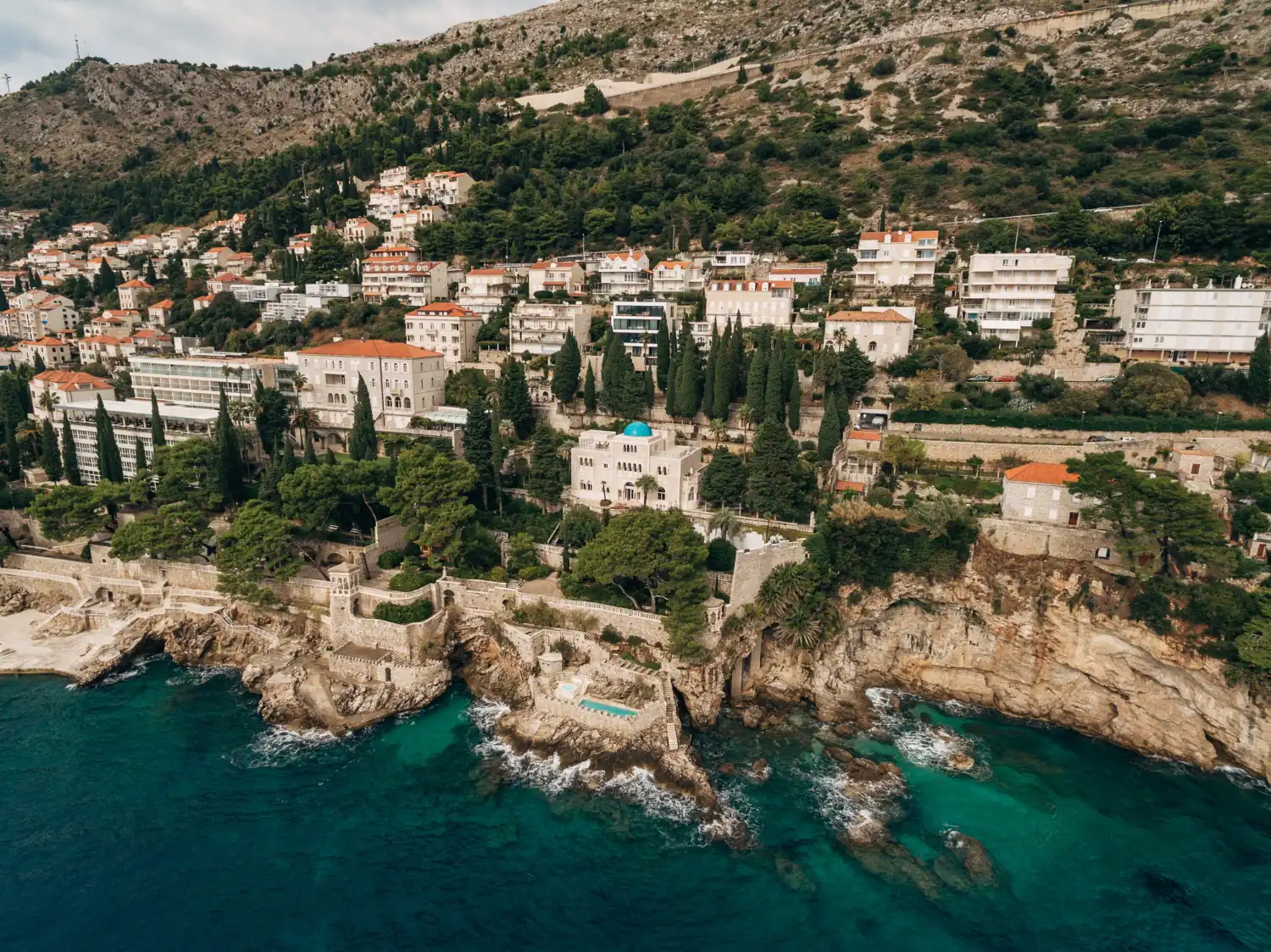
⭐ UNESCOA UNESCO city with the most beautiful medieval walls in the world and one of Europe’s most iconic destinations.
Discover Dubrovnik Central Dalmatia
🔥 Top destination
Central Dalmatia
🔥 Top destinationCroatia’s second-largest city, with the 1,700-year-old Diocletian’s Palace — and the perfect hub for the islands of Hvar, Brač and Vis.
Discover Split Northern Dalmatia
🎵 Sea Organ
Northern Dalmatia
🎵 Sea OrganA unique blend of ancient and modern — the Sea Organ, Greeting to the Sun and the most beautiful sunset in Europe, according to Alfred Hitchcock.
Discover Zadar Istria
💕 Romance
Istria
💕 RomanceThe most romantic stone town on the Adriatic, with the bell tower of St Euphemia visible from every side.
Discover Rovinj Istria
🏟️ Arena
Istria
🏟️ ArenaA Roman amphitheatre from the 1st century that is still in use today — concerts, a film festival, historical re-enactments. The main city of Istria.
Discover Pula Central Croatia
🏛️ Capital city
Central Croatia
🏛️ Capital cityAn Austro-Hungarian soul with modern cafés, museums and one of Europe’s most beautiful Advent celebrations. A city-break destination.
Discover Zagreb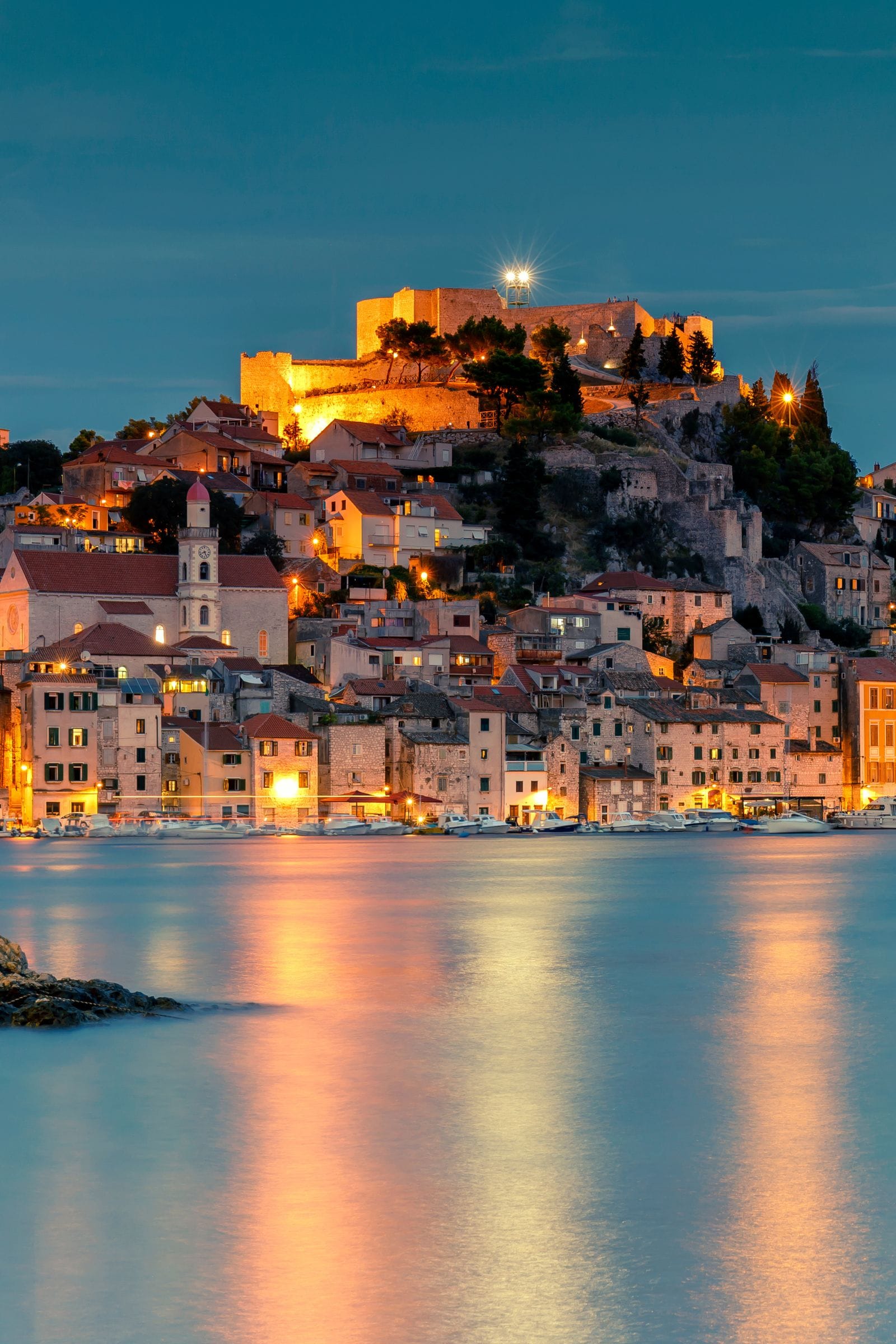 Northern Dalmatia
⭐ UNESCO
Northern Dalmatia
⭐ UNESCOThe UNESCO-listed Cathedral of St James, medieval fortresses and the gateway city to Krka National Park. Authentic Dalmatia.
Discover Šibenik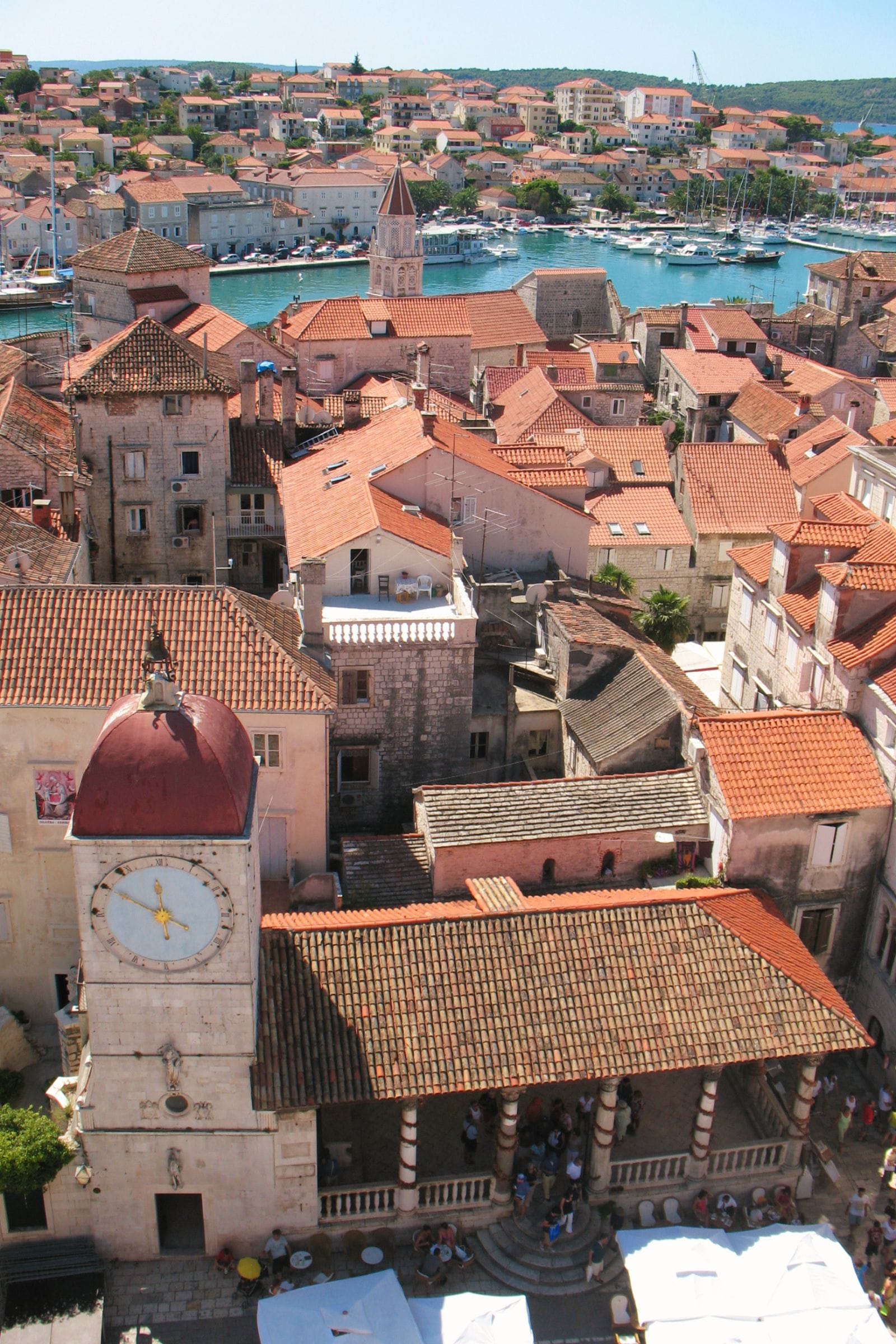 Central Dalmatia
⭐ UNESCO
Central Dalmatia
⭐ UNESCOA small stone town on an islet, just 30 minutes from Split — perfect for a day trip or a peaceful holiday.
Discover TrogirIslands
The islands of Croatia — a world of their own on every shore
From party islands to national parks, from Europe’s sunniest shores to hidden corners discovered only by locals.
 Central Dalmatia
Hvar
Sun · Lavender · Nightlife
The sunniest island in the Adriatic, with 2,800+ hours of sunshine a year. A blend of ancient Hvar, glamorous marinas and lavender fields in the island’s interior.
 Central Dalmatia
Brač
Zlatni Rat · White stone
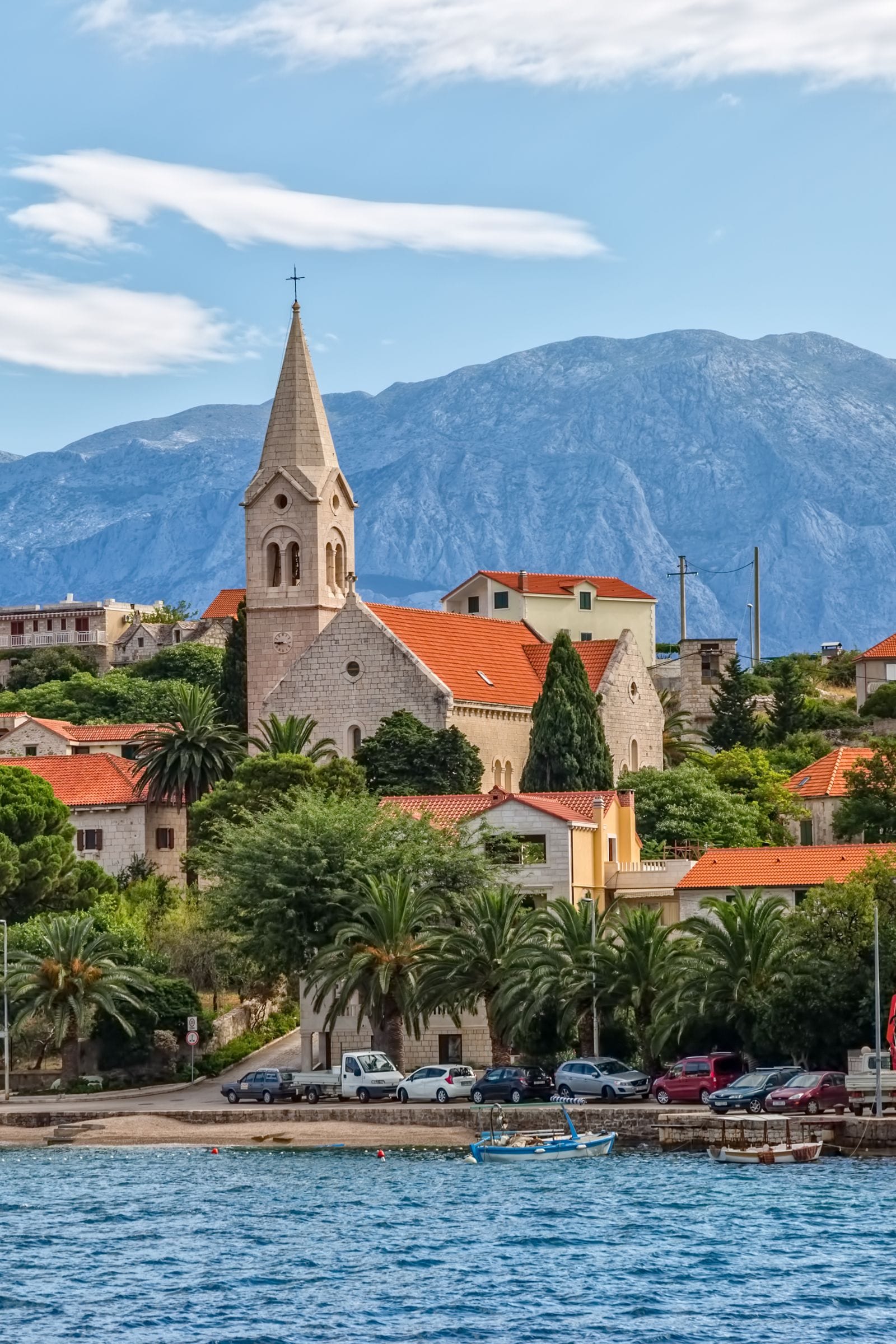
The island of white stone, used even in the construction of the White House in Washington. Zlatni Rat in Bol — an iconic beach that changes shape with the wind.
 Southern Dalmatia
Korčula
Marco Polo · Pošip · Mini Dubrovnik
A small medieval town reminiscent of Dubrovnik in miniature, said to be the birthplace of Marco Polo. Wine culture — Pošip and Plavac Mali, peaceful beaches.
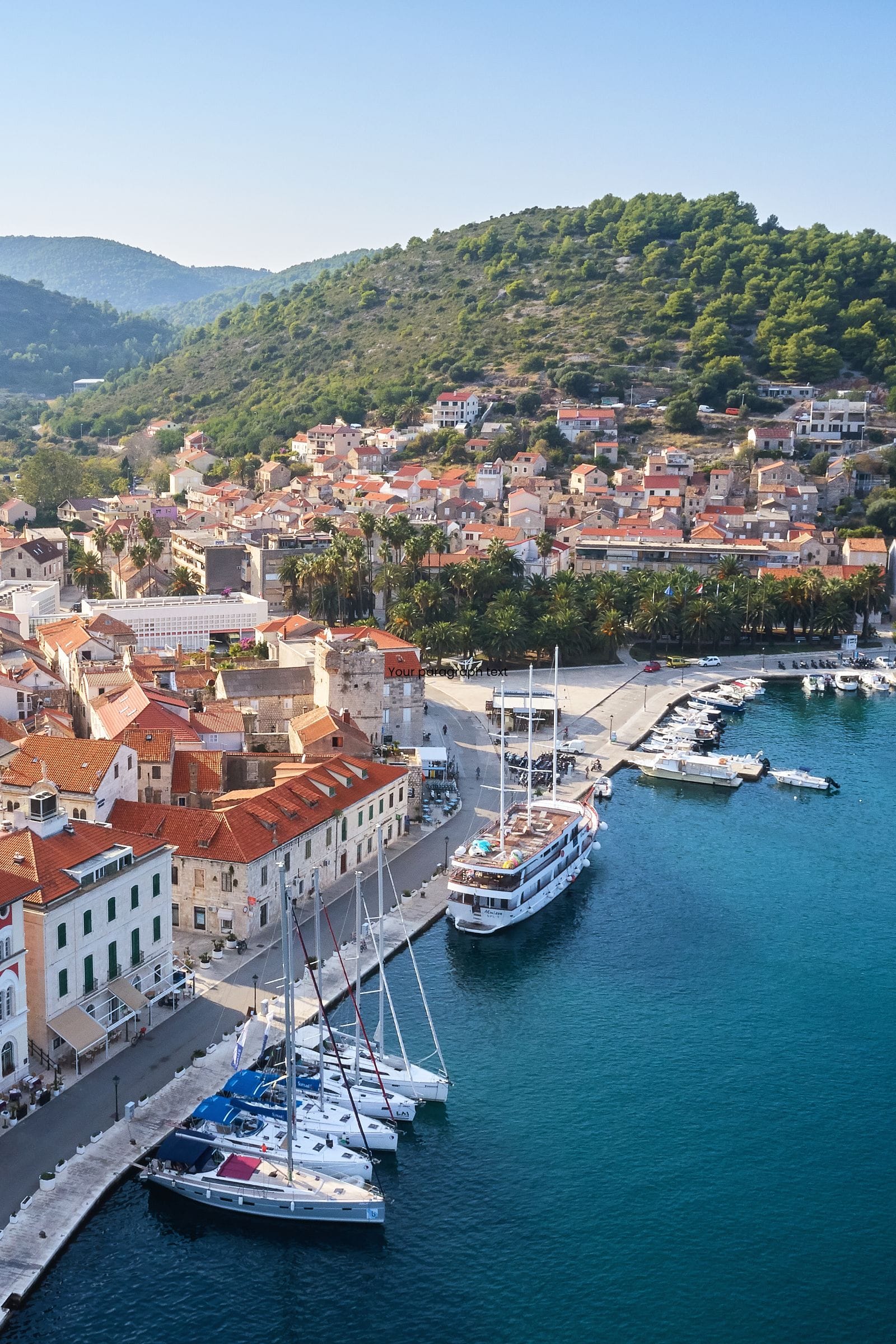 Central Dalmatia
Vis
Mamma Mia · Stiniva · Authenticity
The island was closed to tourists until 1989 as a Yugoslav military base. Today, it is authentic and peaceful, with locations from the film Mamma Mia 2 and the famous Stiniva beach.
 Southern Dalmatia
Mljet
Greenest island · National park · Peace
Half of the island is a national park — dense forests, two saltwater lakes and a Benedictine monastery on a small islet. Ideal for cycling, kayaking and a peaceful holiday.
 Kvarner
Krk
Bridge · Airport · Year-round
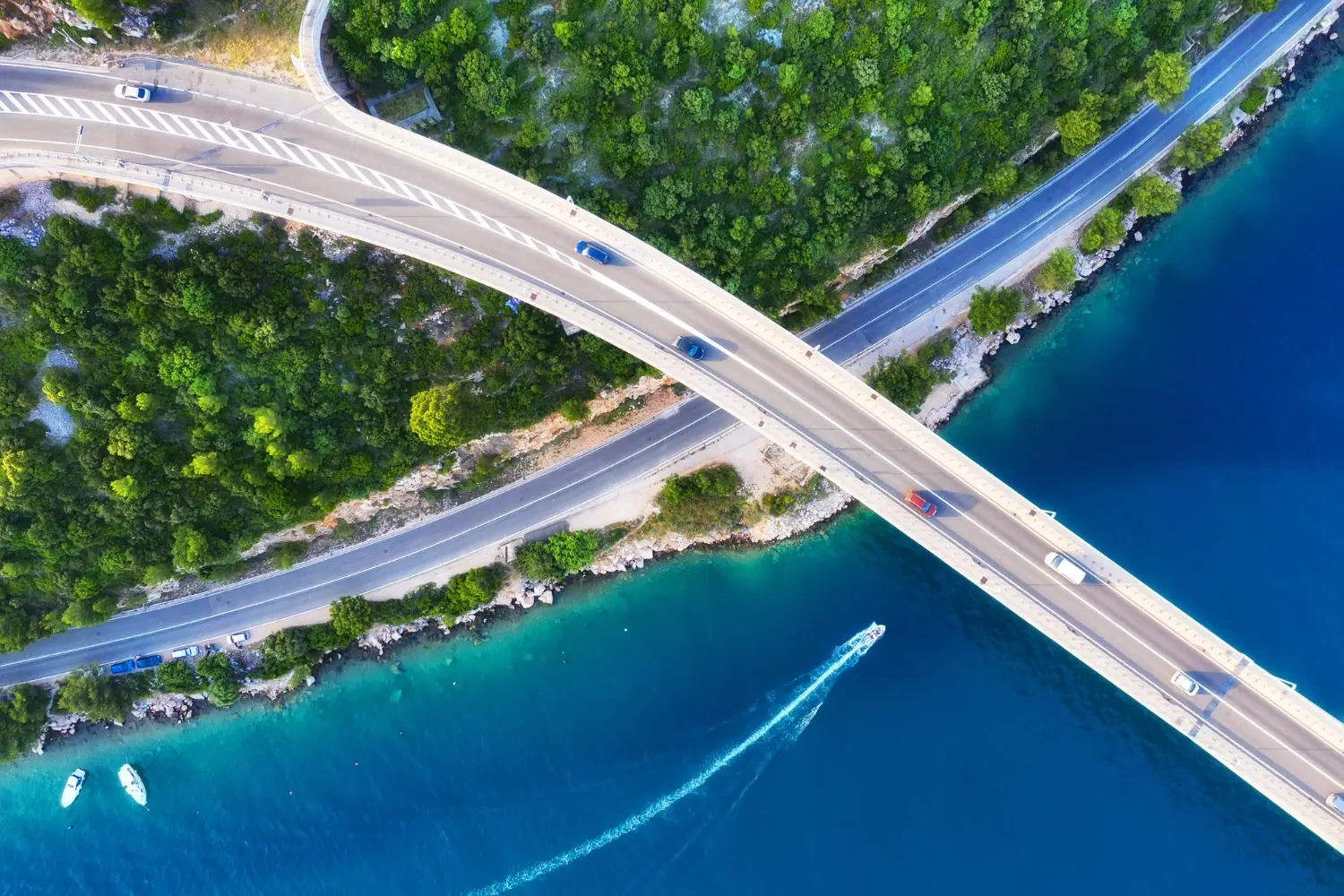
The largest Croatian island, connected to the mainland by a bridge near Rijeka. Its own airport, the towns of Vrbnik and Baška, and the wine tradition of Vrbnička žlahtina.
Croatia has 47 inhabited islands and thousands more small, hidden oases — this is only the beginning of the journey.
All islands of CroatiaNational parks
Eight national parks — from waterfalls to archipelagos
Croatia has protected nearly 10% of its territory. From world-famous Plitvice to the wilderness of Velebit — nature is the true star here.

Plitvice Lakes
The best-known park · UNESCO since 1979
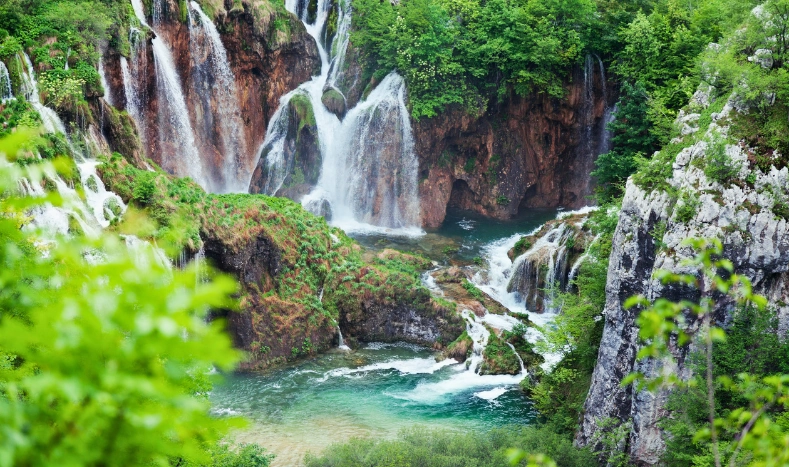
A series of 16 turquoise lakes linked by cascading waterfalls and wooden walkways. The most visited park in Croatia and one of the most beautiful natural landscapes in Europe.
Detailed guide to Plitvice
Krka
Waterfalls and Visovac Island
Seven waterfalls on the Krka River, with Skradinski buk as the most famous. Boat tours lead to the Franciscan monastery on Visovac Island — a blend of nature and spirituality.
Detailed guide to Krka
Brijuni
14 islands near Pula, once Tito’s retreat. A safari park, ancient ruins and a refined residential atmosphere.
Discover Brijuni
Paklenica
Two canyons in Velebit — Velika and Mala Paklenica. A mecca for climbers and hiking lovers in Croatia.
Discover Paklenica
Mljet
The northern part of the island of Mljet — two saltwater lakes, a Benedictine monastery on the islet of St Mary and the densest forests in the Adriatic.
Discover Mljet NP
Kornati
An archipelago of 89 islands, islets and reefs — the densest island group in the Mediterranean. A paradise for sailing and diving.
Discover Kornati
Risnjak
Wild Croatia — Gorski kotar and a mountain range with bears, wolves and lynx. Less touristy, authentic.
Discover Risnjak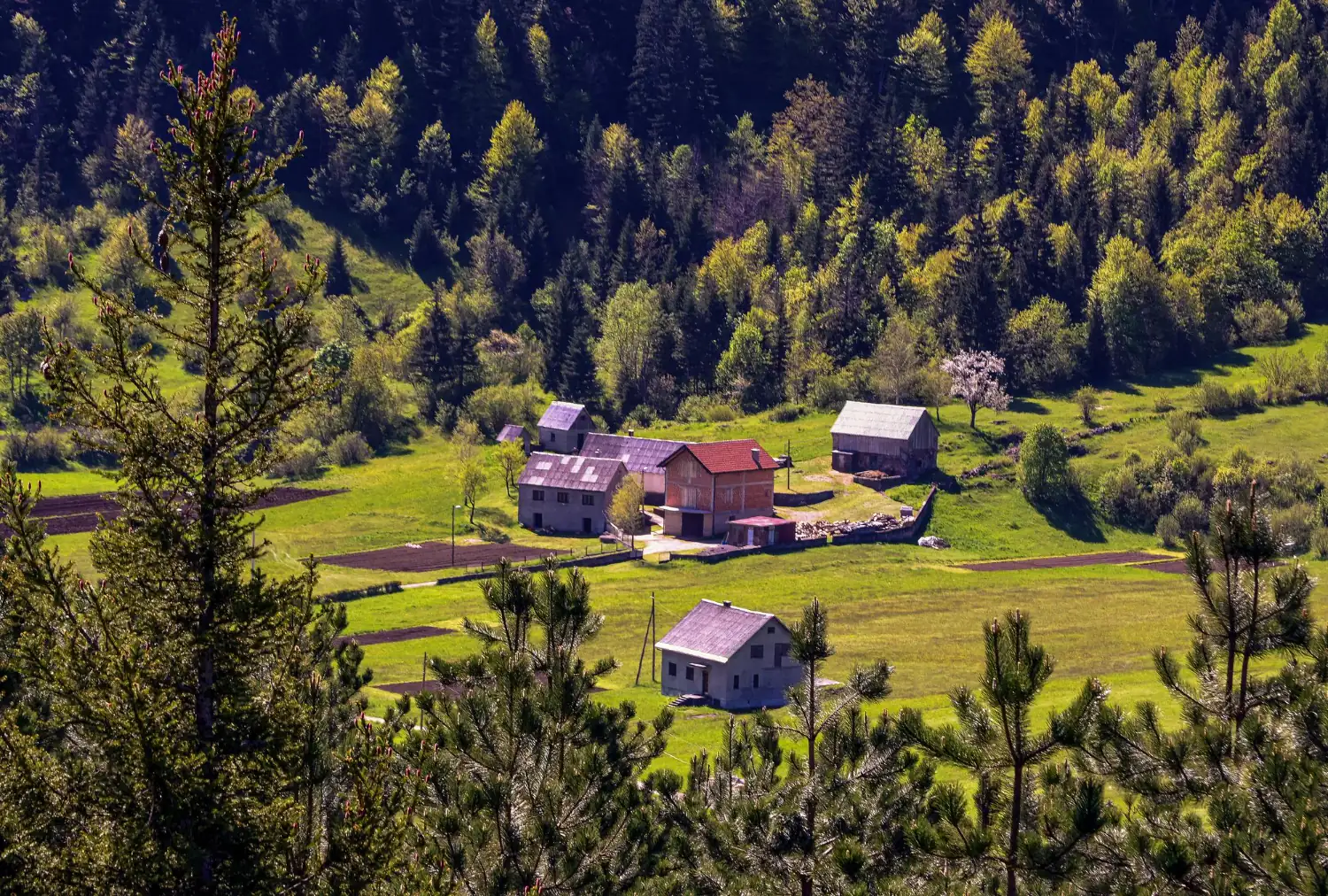
Northern Velebit
The youngest national park (1999) — peaks up to 1,600m, the Premužić Trail and some of the darkest skies in Europe.
Discover Northern VelebitBeaches
The most beautiful beaches of the Adriatic — from iconic to hidden
1,880 kilometres of coastline, thousands of beaches, each one different. Discover the best-known icons and the types of beaches you will come across.
Pebble beaches
The most common type — clear sea, perfect for swimming
Sandy beaches
Rare and sought-after — Sakarun, Bačvice, Sunj
Rocky beaches
Hidden coves for adventurers — Stiniva, Pasjača
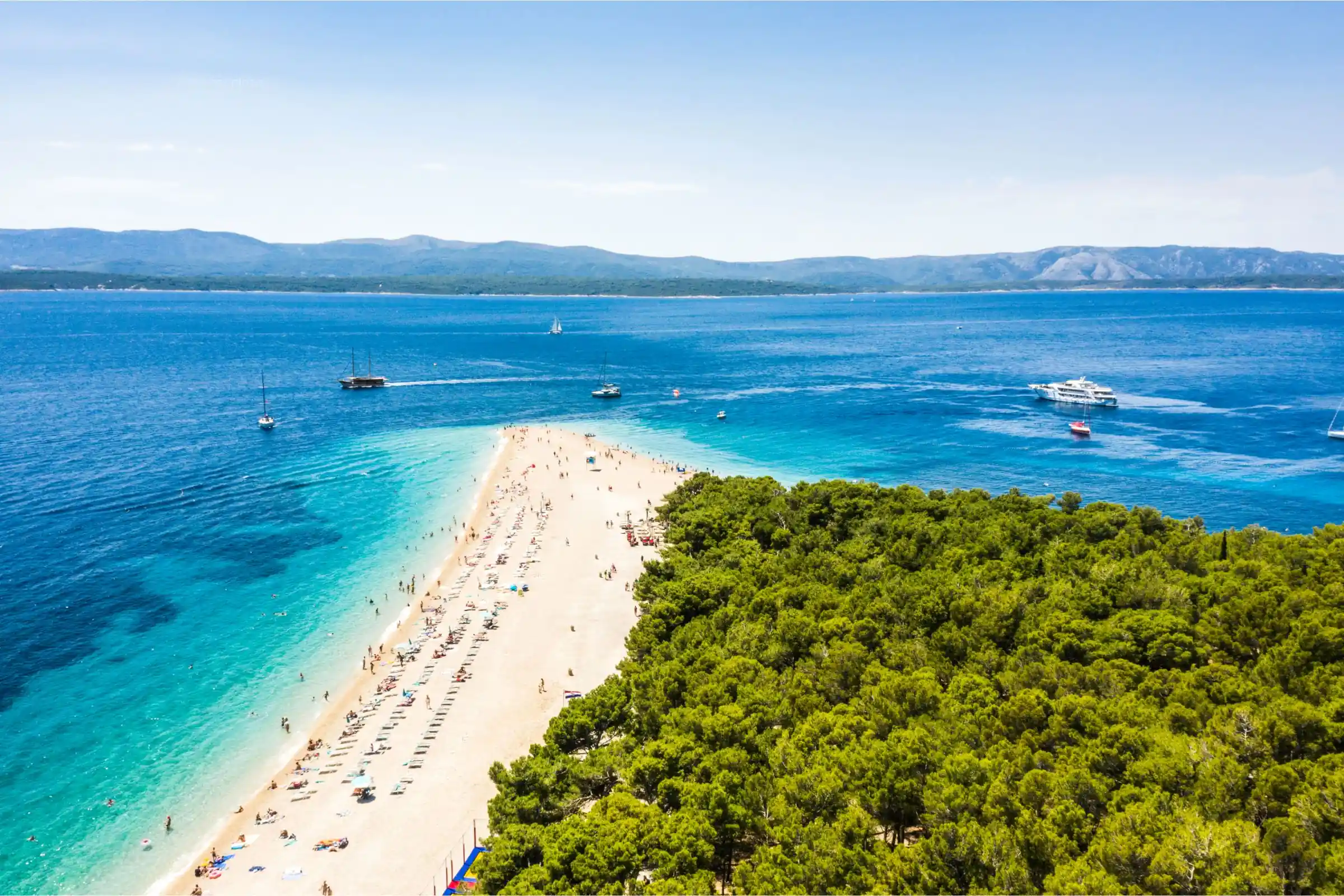 Pebble
A Croatian icon — a golden tongue-shaped beach that changes direction with the wind.
Details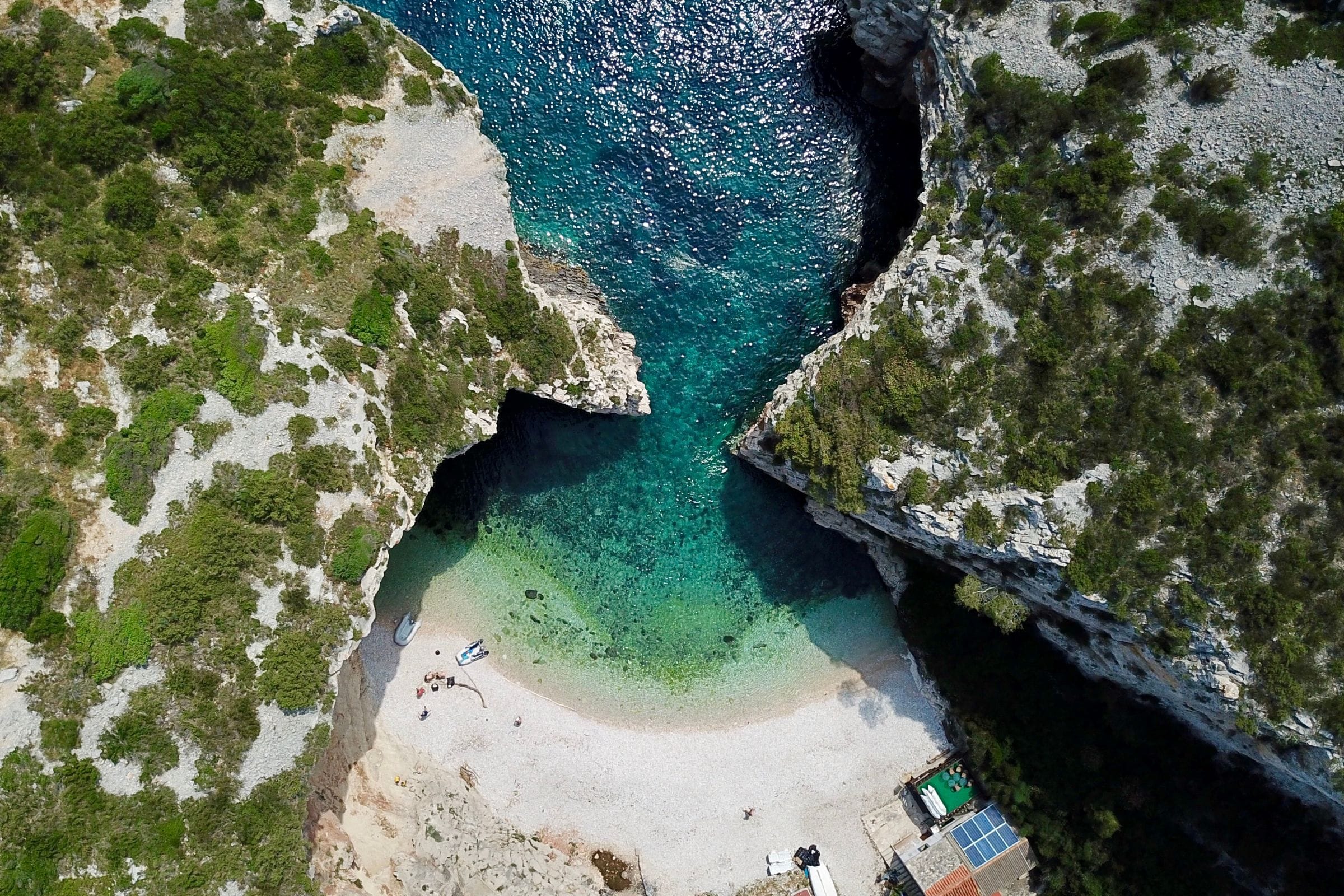 Pebble
A hidden cove between two cliffs — accessible by boat or on foot down a steep path.
Details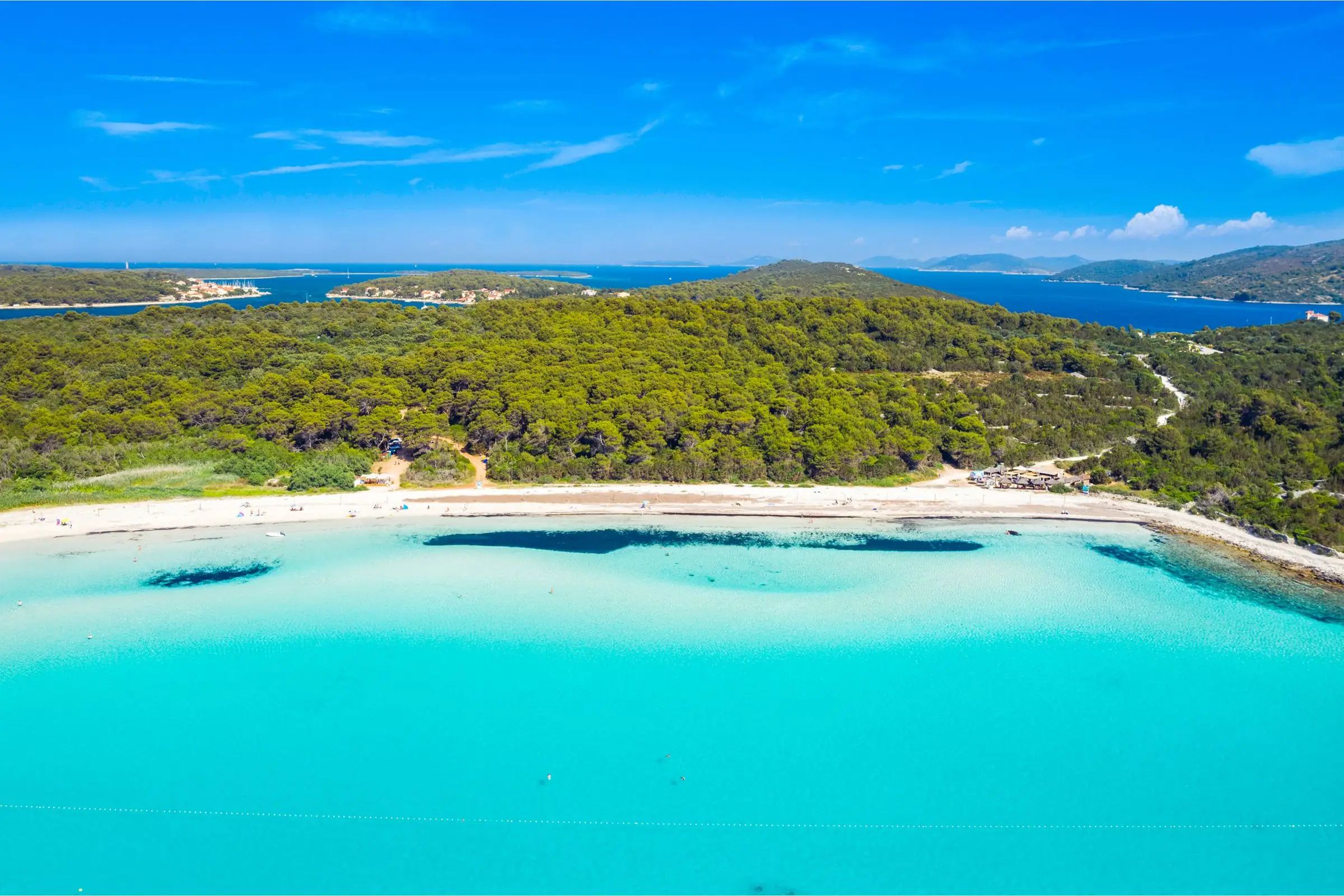 Sandy
SandyWhite sand and turquoise sea — the closest thing we have to a Caribbean beach.
Details Pebble
White pebbles, palms and the Brela Stone rising from the sea — a Riviera classic.
Details Rocky
RockyA dramatic beach below the cliffs — reached by steps carved through the rock.
Details Pebble
A hidden pebble beach in a canyon — naturist friendly, with a wild atmosphere.
Details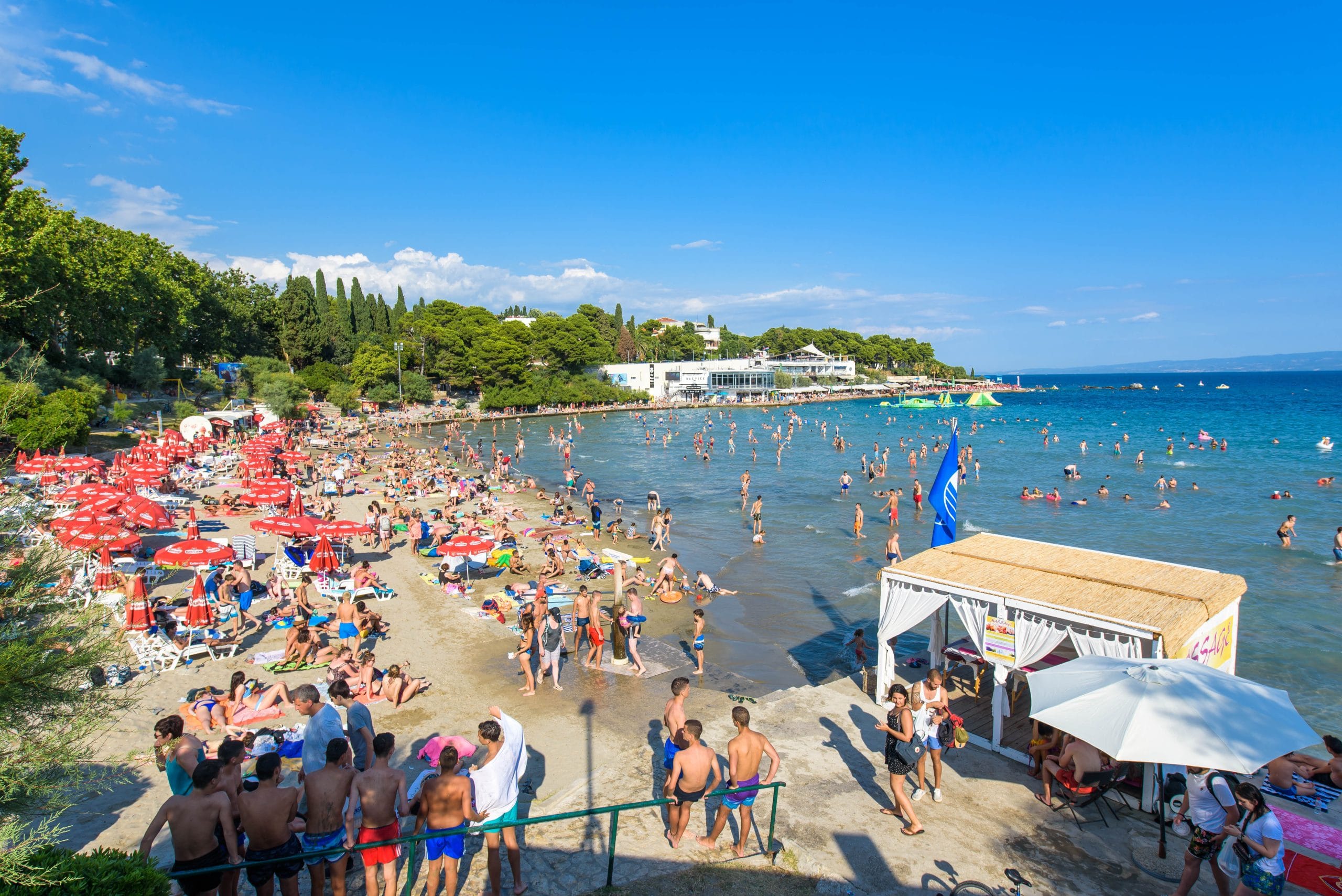 Sandy
SandyThe best-known city beach — sandy and shallow, and the home of picigin.
Details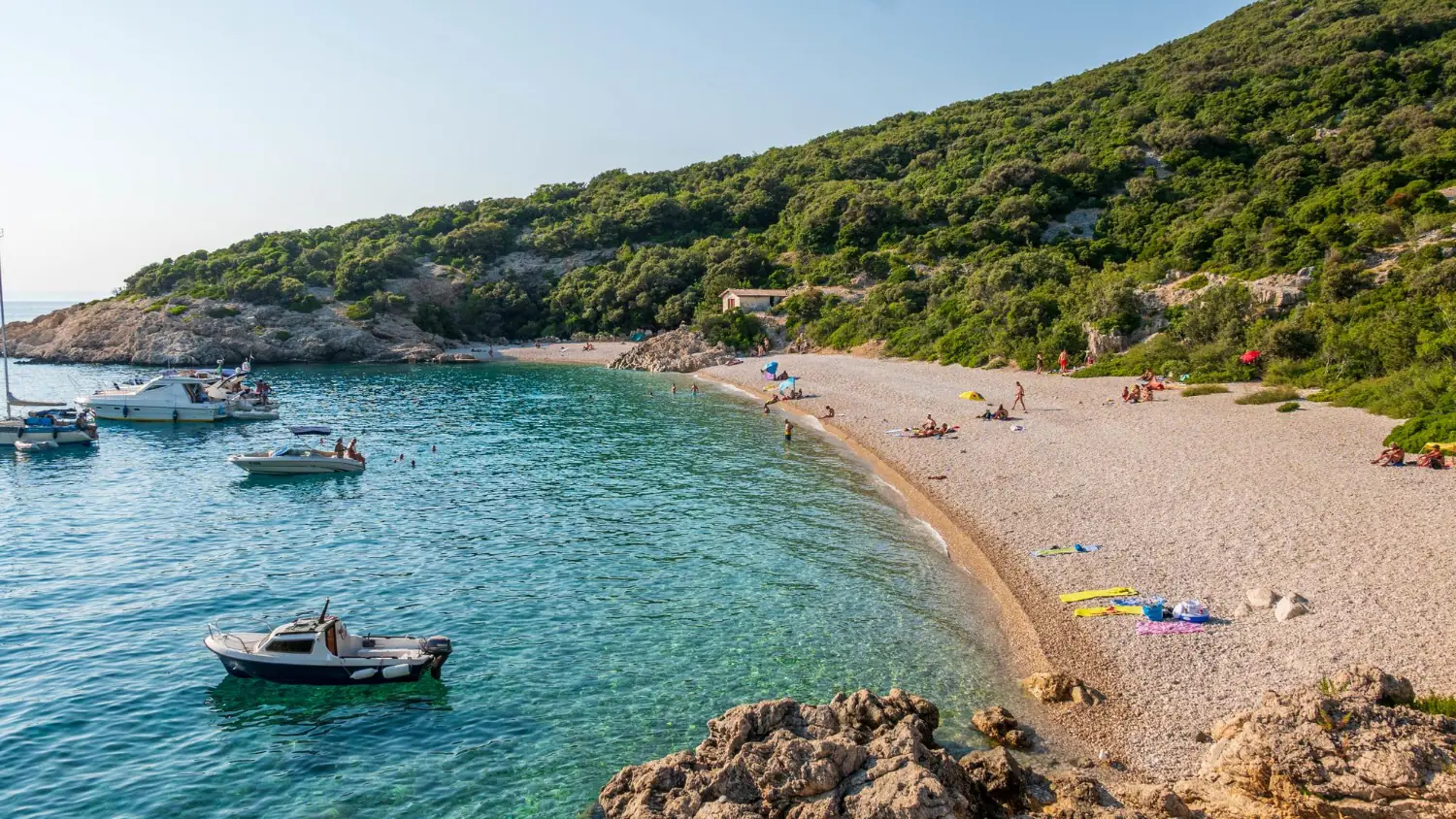 Pebble
A paradise beach viewed from above — accessible only by a steep gravel path, but worth the effort.
DetailsMore beaches to explore
Currently 30 beaches
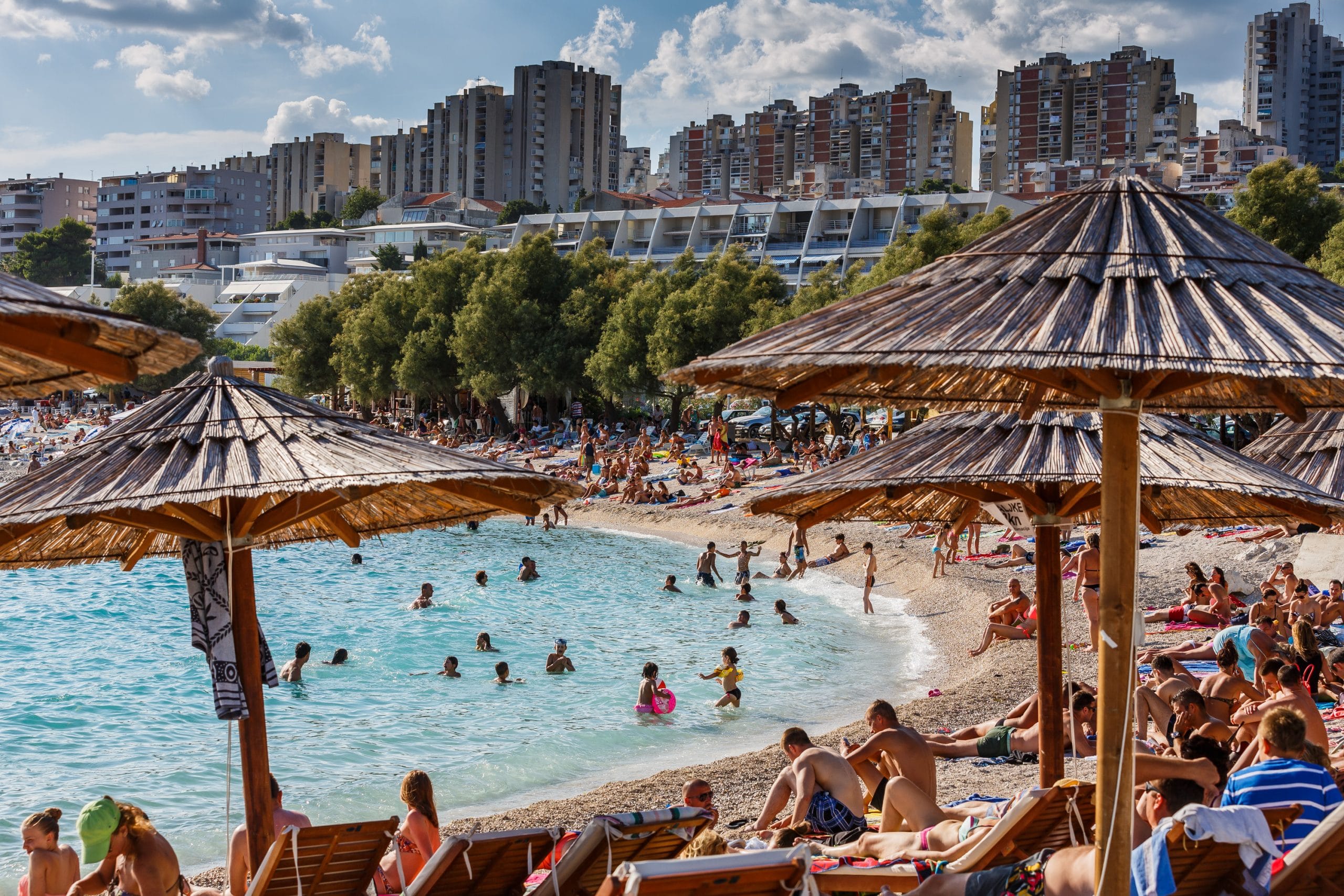
Žnjan
Split
Pebble / urban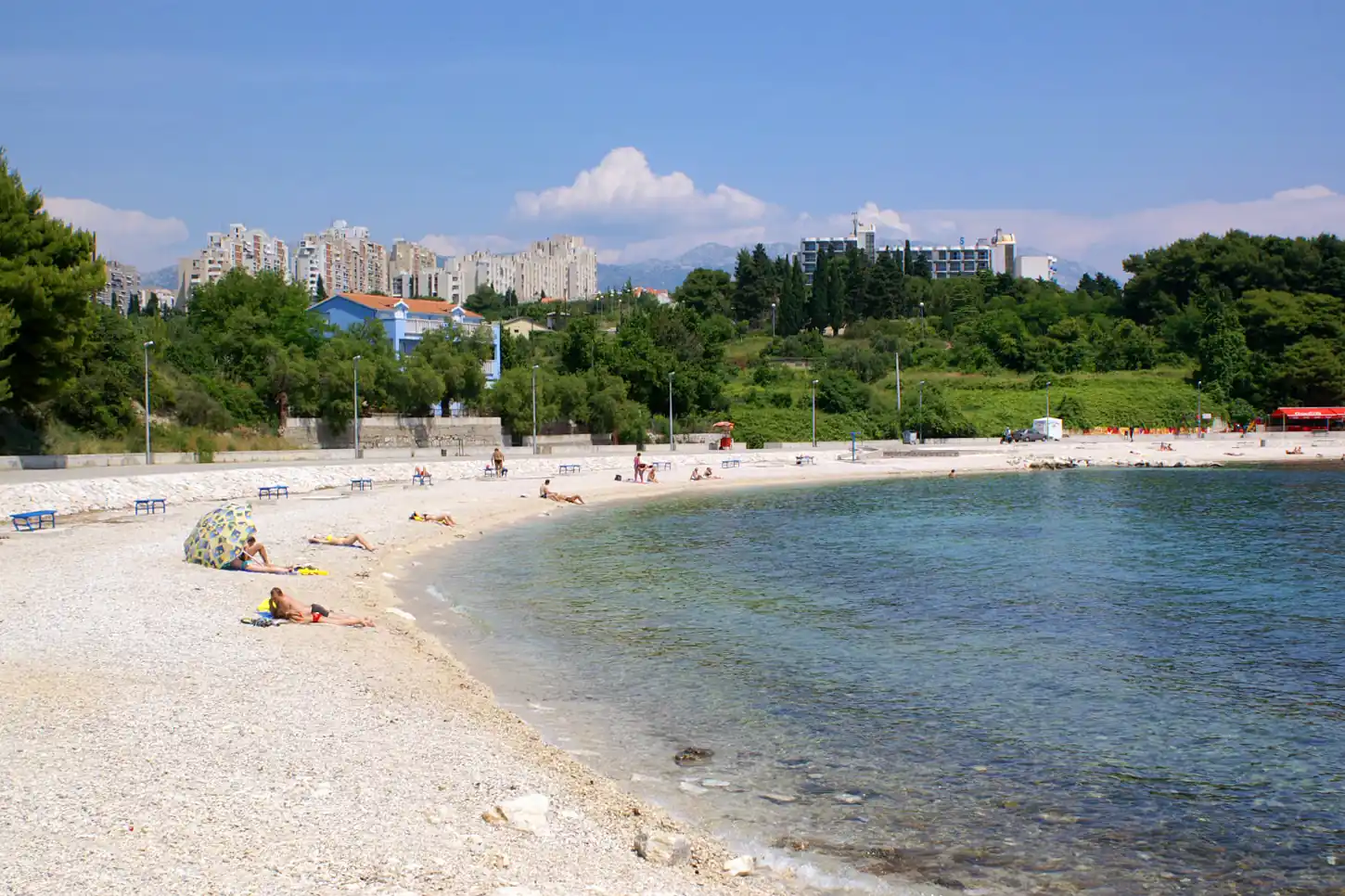
Trstenik
Split
Pebble
Kašjuni
Split, Marjan
Pebble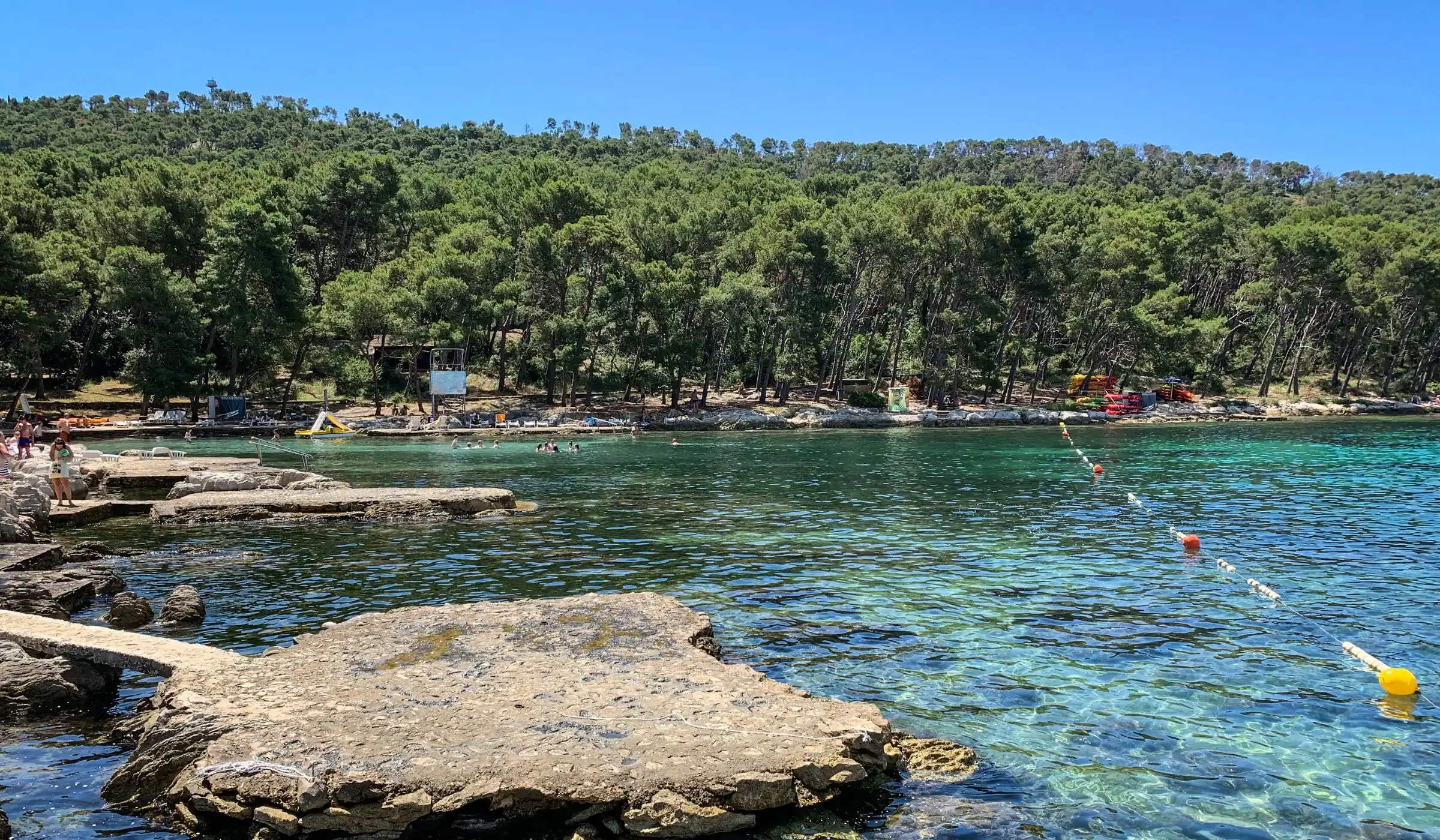
Bene
Split, Marjan
Rocky / shade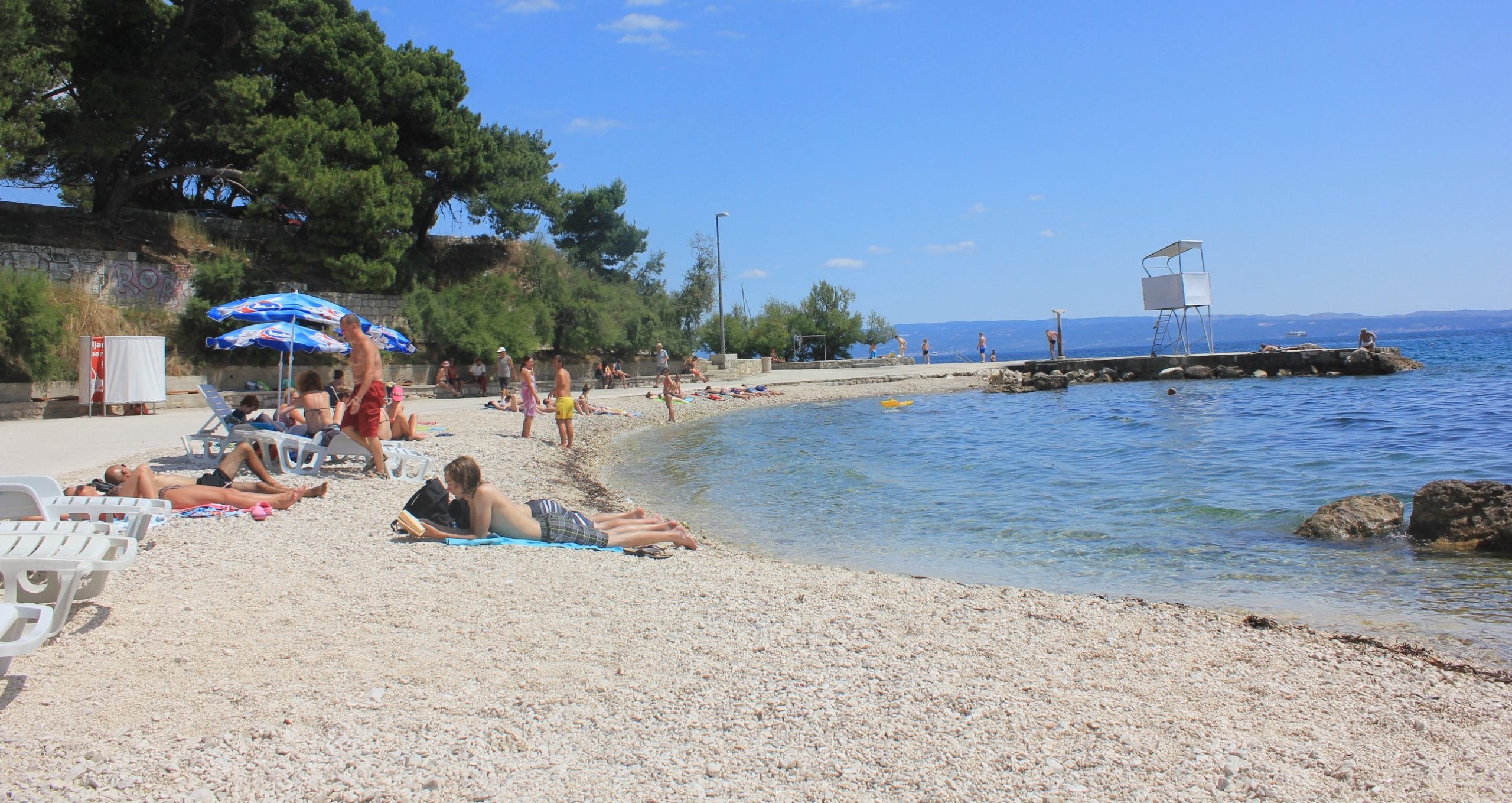
Ovčice
Split
Quiet city beach
Banje
Dubrovnik
Pebble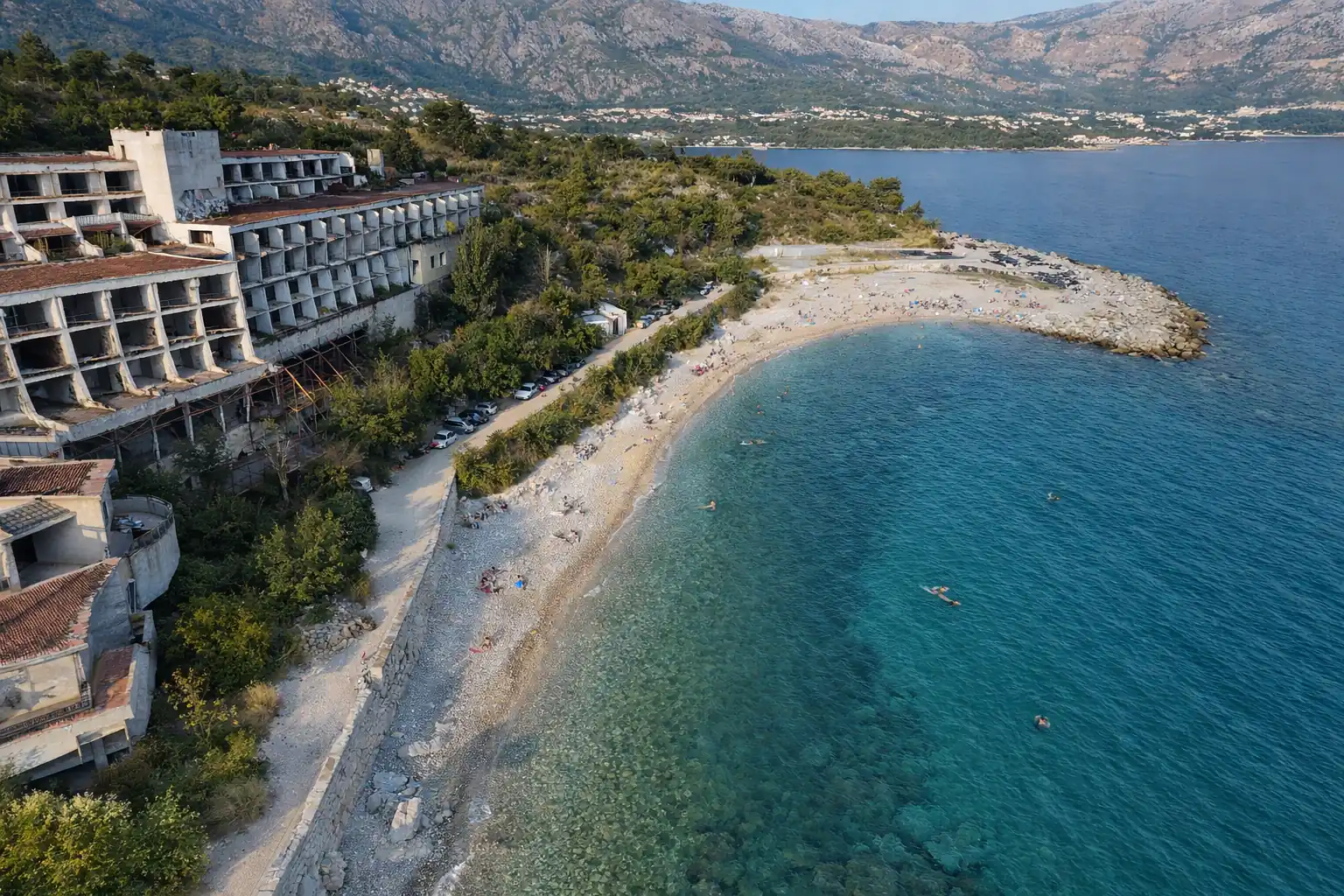
Kupari
Župa dubrovačka
Pebble / sandy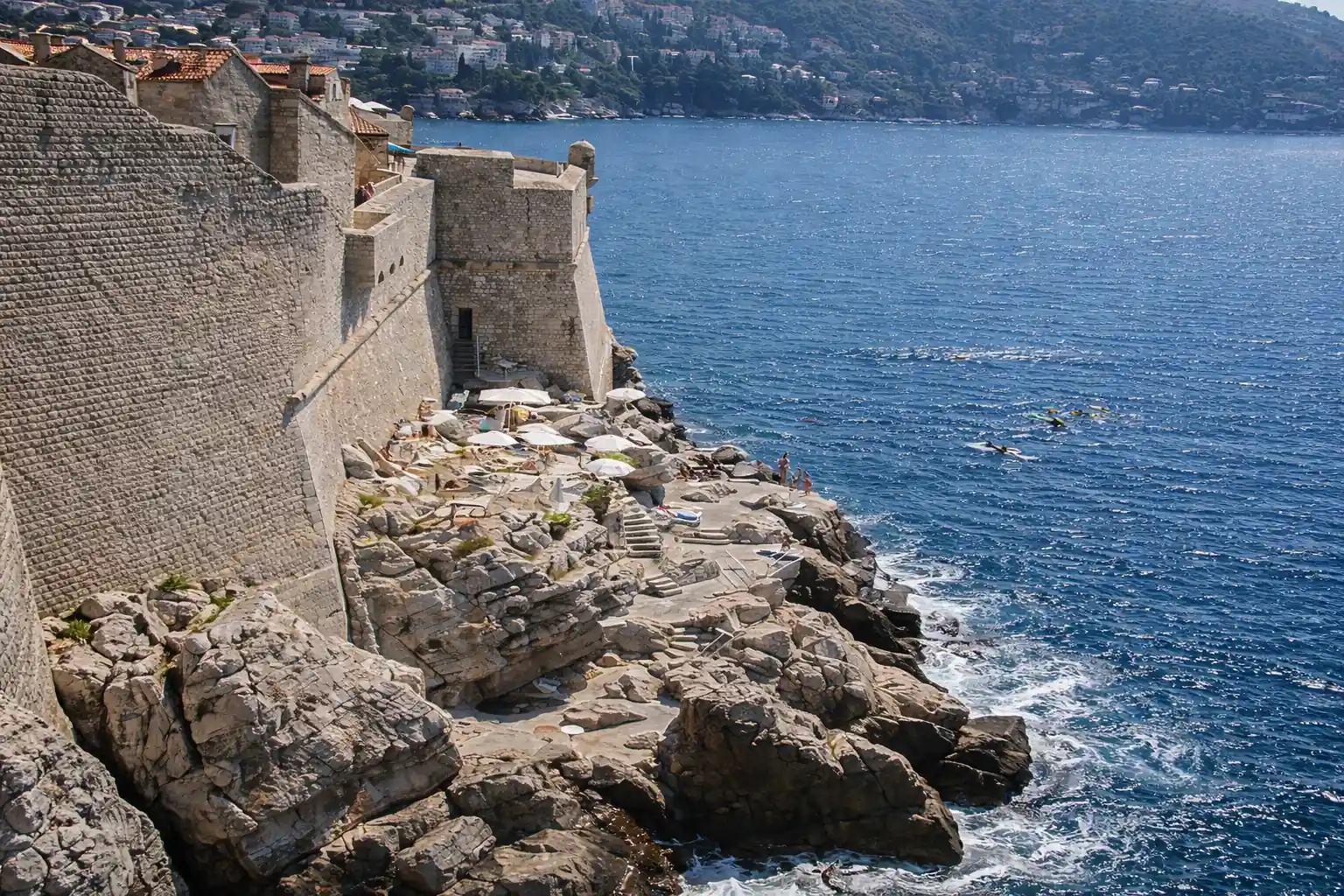
Buža
Dubrovnik
Rocky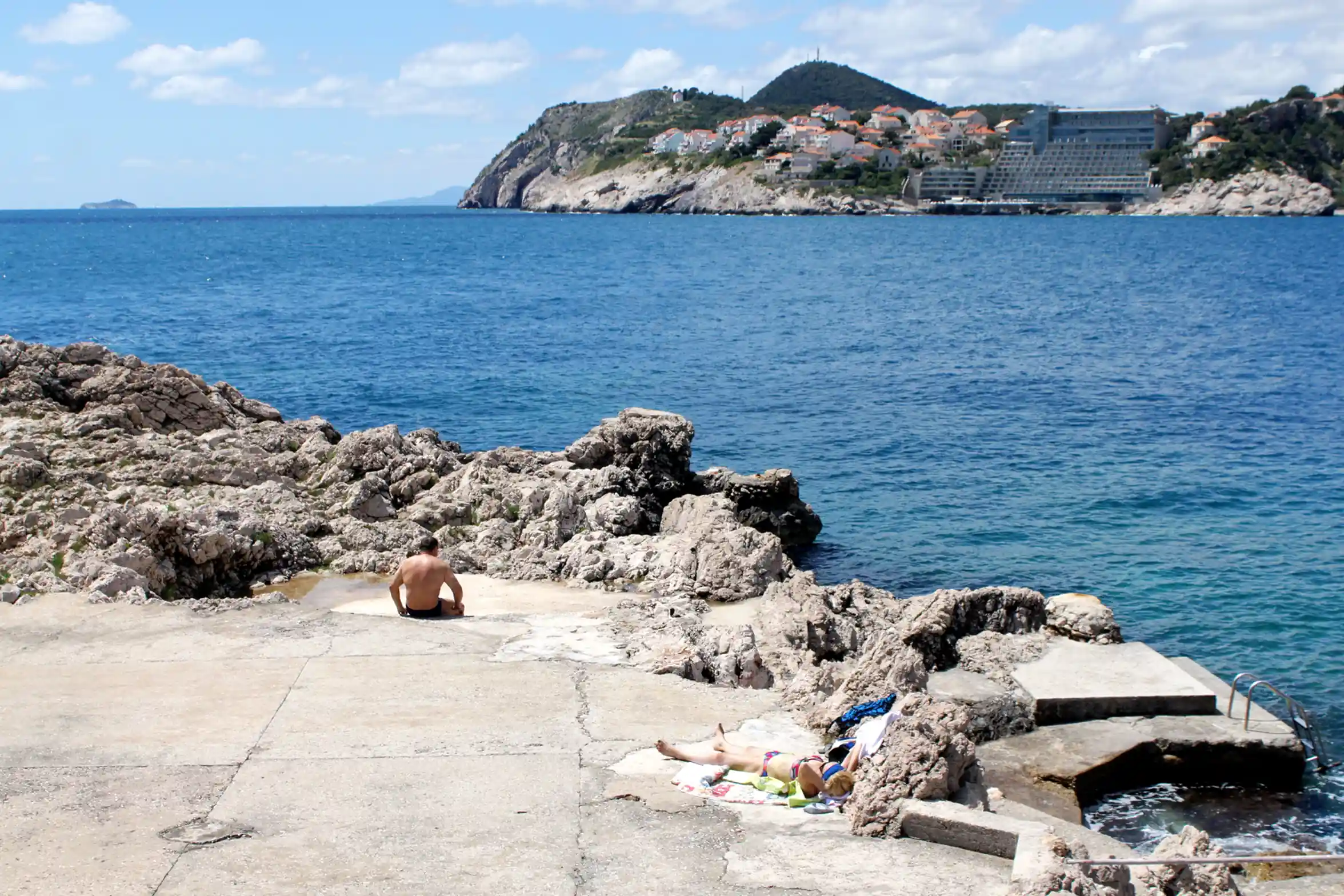
Danče
Dubrovnik
Rocky / local
Plat beach
Plat, Dubrovnik
Quiet / pebble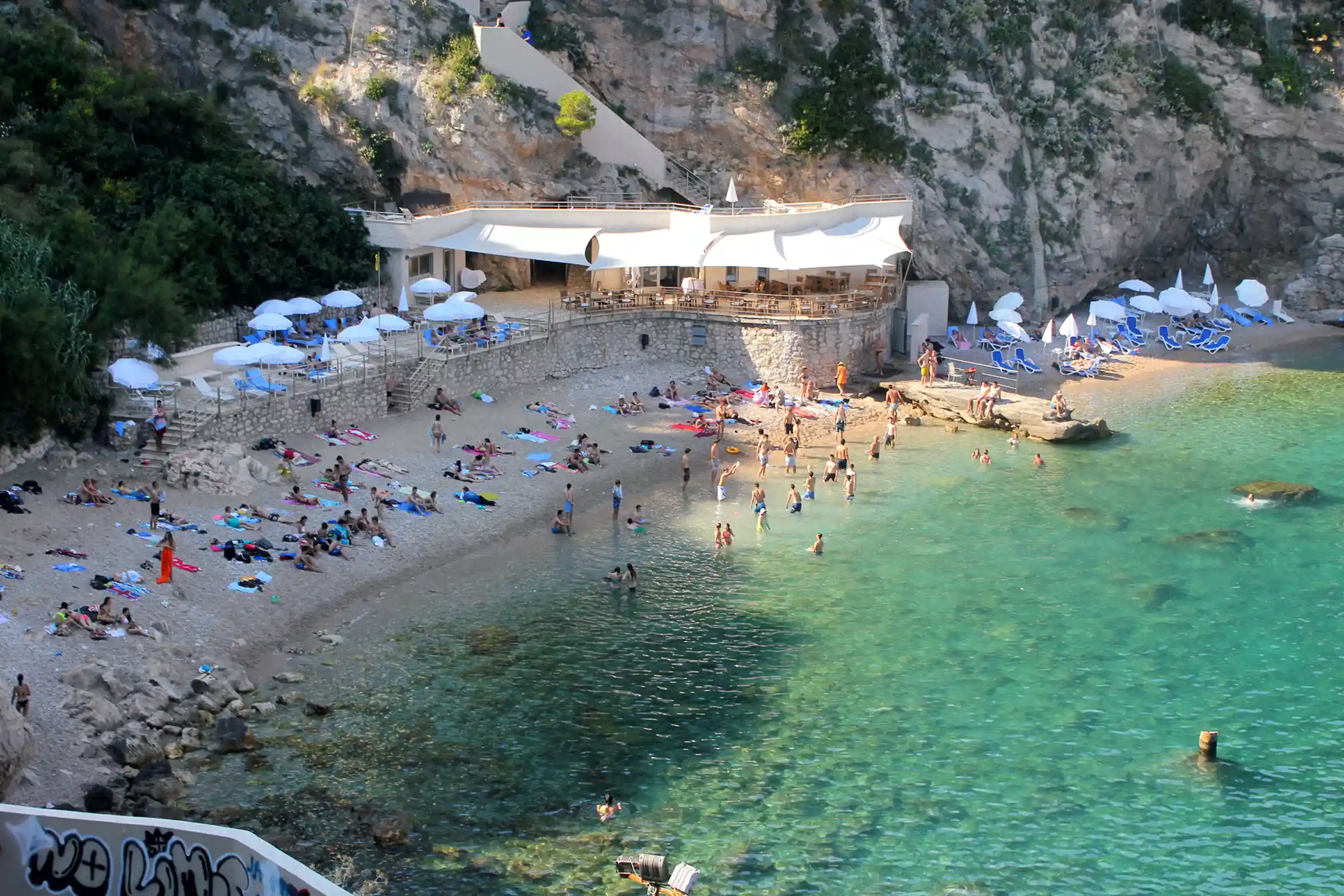
Bellevue
Dubrovnik
Pebble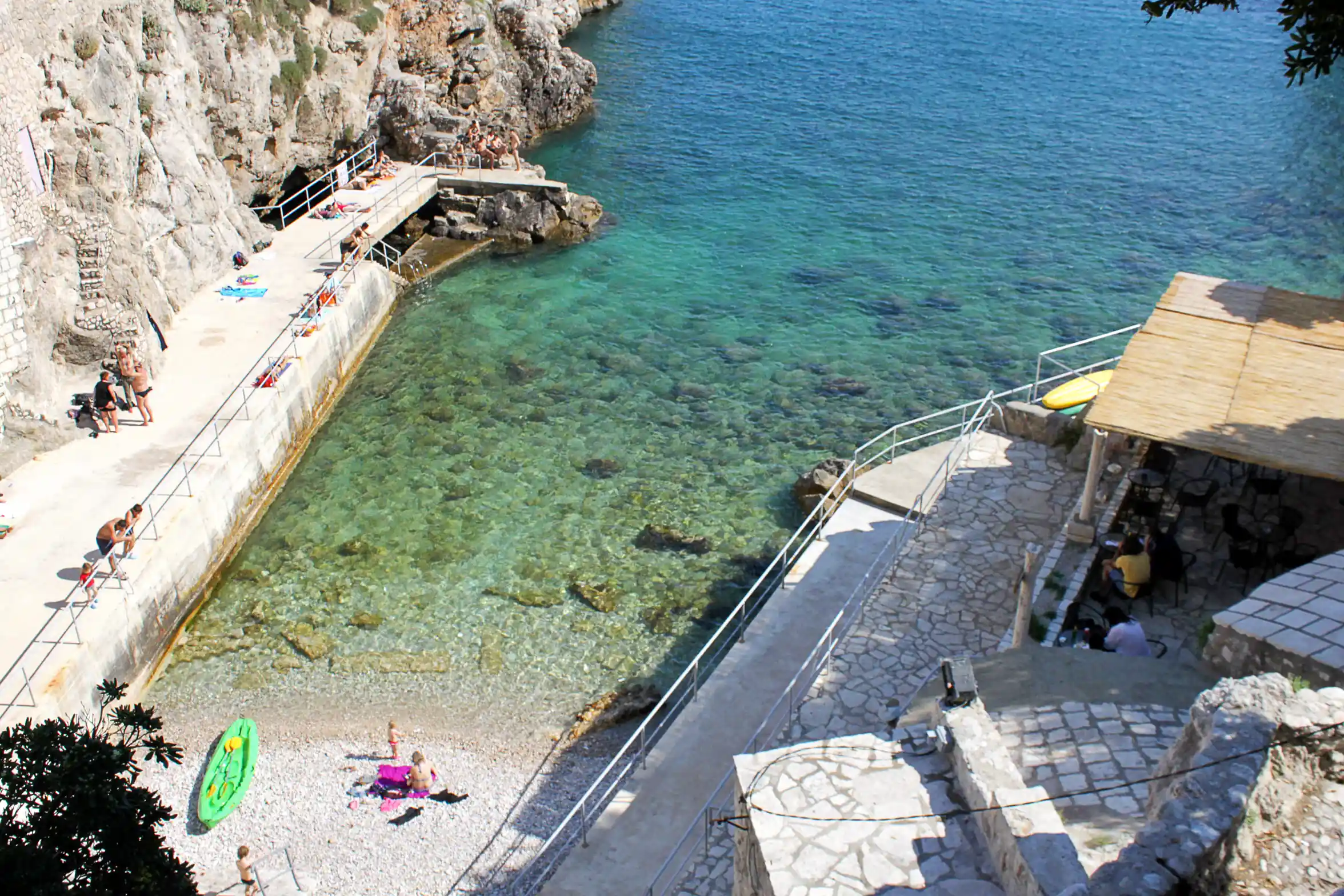
Šulić
Dubrovnik
Small cove
Sunset Beach
Lapad, Dubrovnik
Pebble / cove
Copacabana
Dubrovnik
Organised beach
Divna
Pelješac
Pebble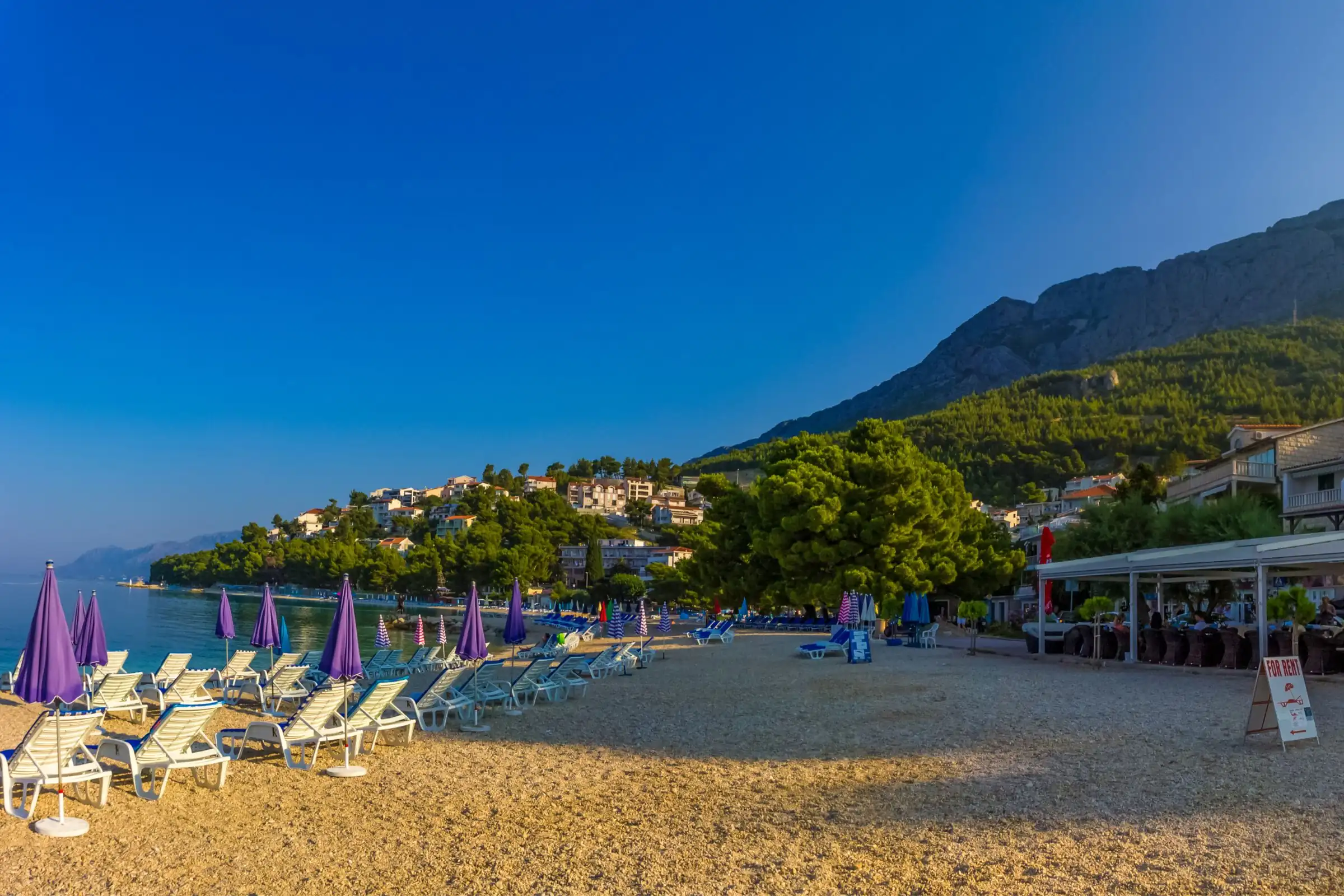
Gornja Vala
Gradac, Makarska
Pebble
Queen’s Beach
Nin, Zadar
Sandy
Lovrečina
Postira, Brač
Sandy
Oprna
Stara Baška, Krk
Pebble
Pećine
Šilo, Krk
Sandy / concrete
Porat
Biševo, Vis
Sandy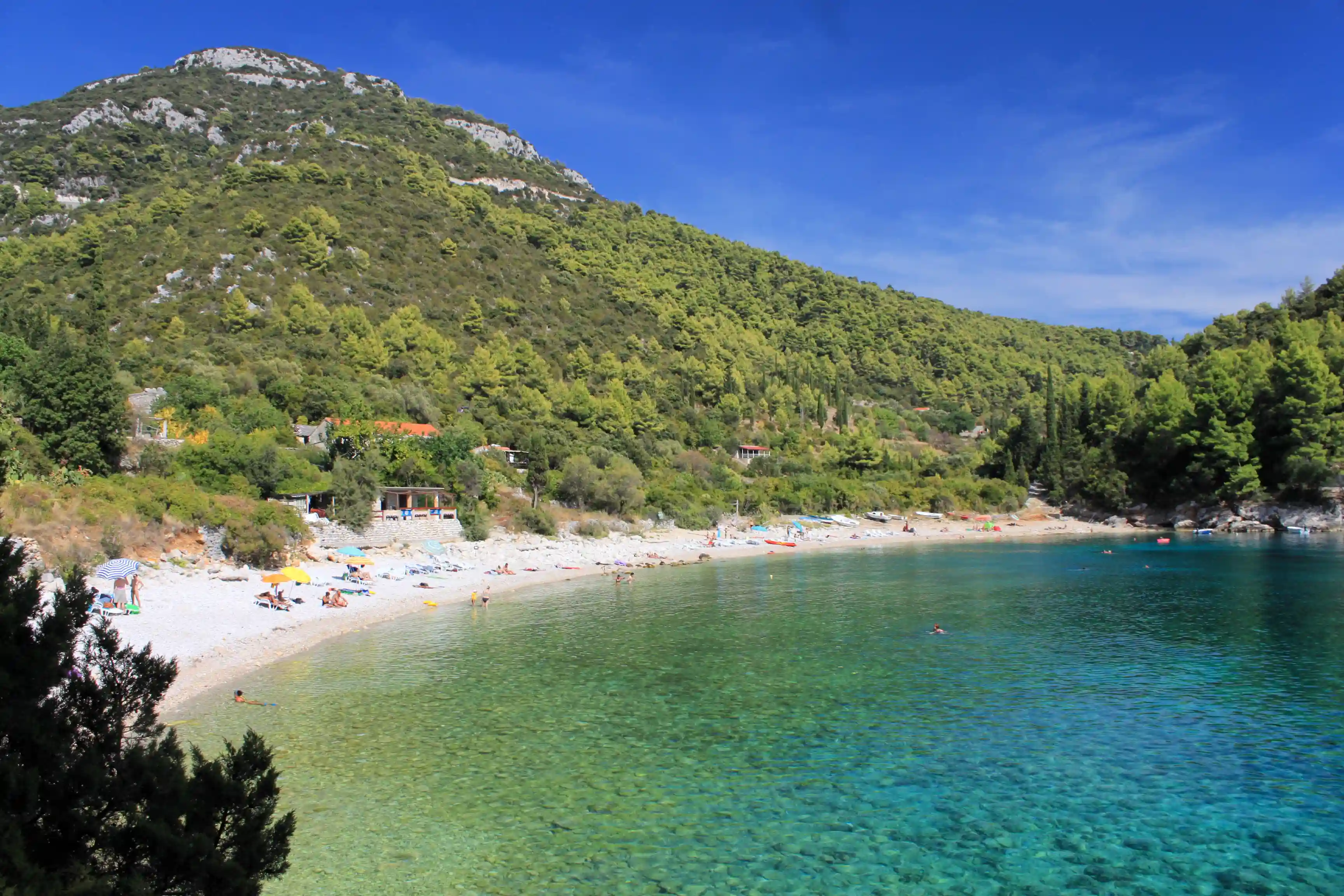
Pupnatska Luka
Korčula
Pebble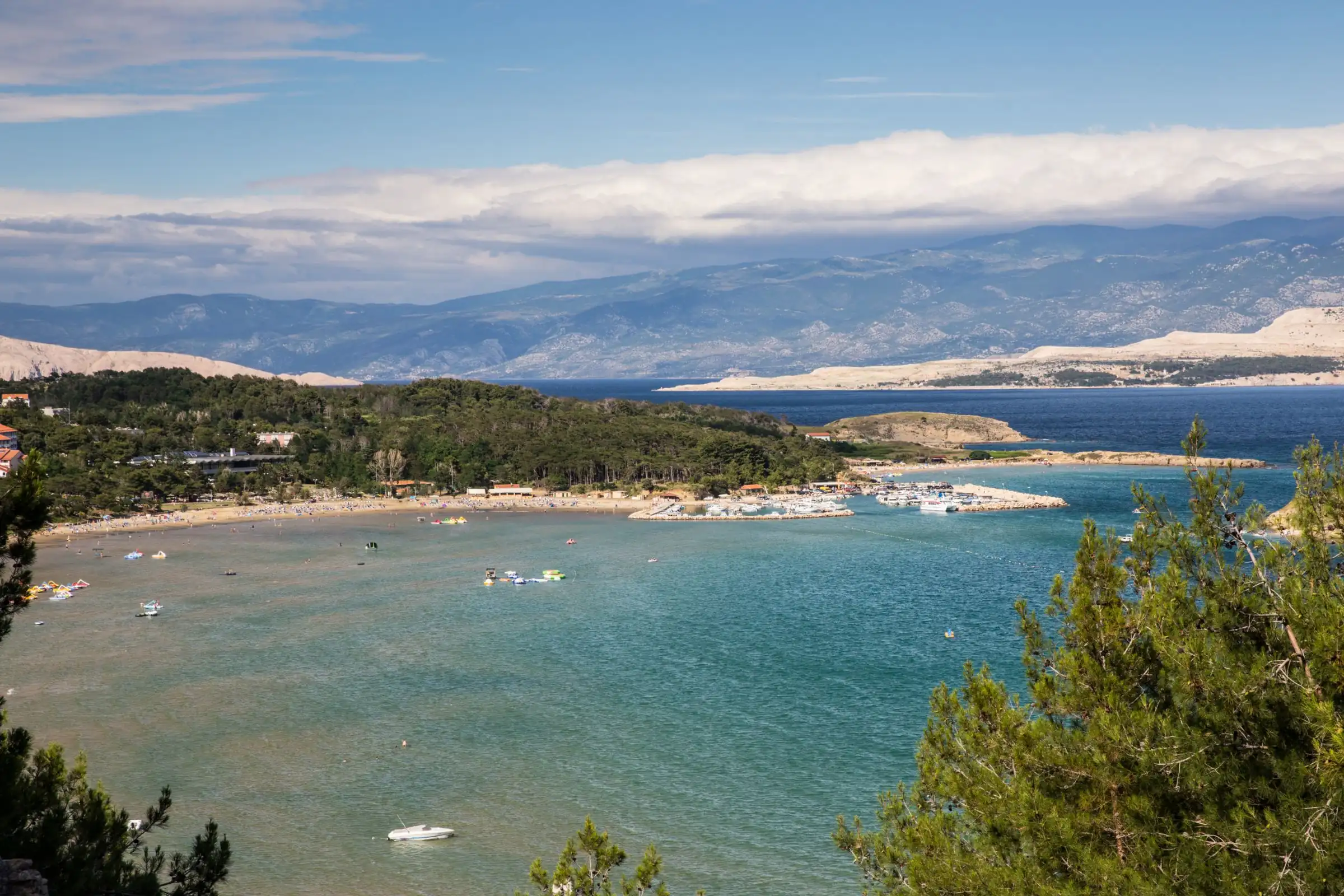
Paradise Beach
Lopar, Rab
Sandy
Ručica
Metajna, Pag
Pebble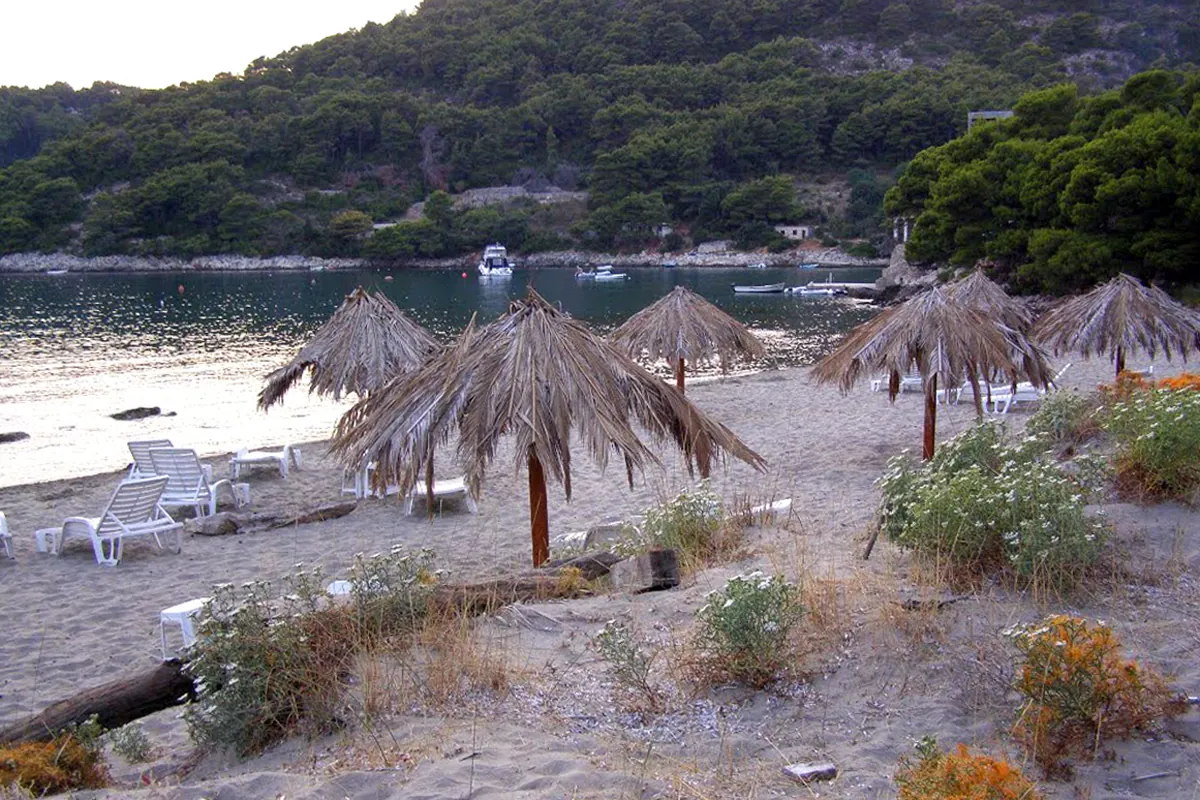
Saplunara
Mljet
Sandy
Stara Baška
Krk
Pebble
Trstenica
Orebić, Pelješac
Pebble
Velo Zaraće
Zaraće, Hvar
Pebble
Šunj
Lopud, Elaphiti Islands
Sandy
Zrće
Novalja, Pag
Party beach