


TOP 10 Beaches on the Adriatic for Families with Children
December 13, 2025
Beaches of the island of Hvar | Top 6
December 15, 2025Split, Zadar, Dubrovnik, or Rovinj are probably the first cities that come to mind when thinking about potential destinations to visit on the Adriatic. This is hardly surprising given their global popularity and tourist traffic. If you are visiting the Adriatic for the first time, choosing one of these destinations would be a logical choice, as in just a few days you can see and experience the beauty of the Adriatic. However, if you want to experience life and culture on the Adriatic firsthand—in other words, to have a truly “local” experience—you should consider smaller towns.
Although tourism is the main activity on the Adriatic, these small towns still resist becoming mass tourism destinations. In fact, this is a positive aspect, because if they switched to mass tourism, most smaller towns would lose their charm. The small towns on this list have a few thousand inhabitants and are full of unique stories and legends that you will rarely find in larger cities. They are often distinguished by interesting architecture resulting from unique building styles and are usually surrounded by unspoiled nature.
Labin
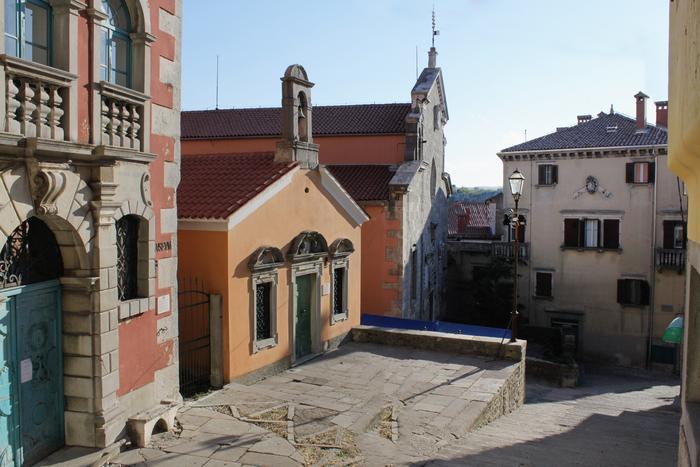
Albona is the ancient name for the city of Labin.
One of the small towns that will captivate you at first sight is Labin, a town situated on a hill above the well-known tourist resort of Rabac. You will rarely find a place like Labin, which, in such a small area, hides so many historically significant landmarks. Its story dates back to the Roman Empire. On the site of present-day Labin, there was a settlement known as Albona (“town on the hill”), which is believed to have Celtic origins. The town’s rich history is also reflected in its architecture, as many buildings were constructed in various styles, giving the town a colorful character. As you walk through the narrow streets of Labin, one of the first things you will notice is Porta San Fior, a stone gate that serves as the entrance to the old town and was built in the 16th century. It is also worth mentioning the Baroque Battiala-Lazzarini Palace, constructed in two phases. Next to the palace is the Church of the Birth of the Blessed Virgin Mary, built in the 14th century, which is one of the finest examples of secular Istrian architecture.
Do you want to spend this summer in a small town? Book your accommodation today and visit Labin.
Motovun

One of the legends says that Motovun was built by giants.
According to one of many legends, Motovun is a town that rests on an ancient source of energy, which is why its inhabitants are always in high spirits. If you look at the town from a distance, you might get the impression that it’s a scene straight out of Game of Thrones or The Lord of the Rings. Motovun is also situated on a hill in the Mirna River valley and has about a thousand inhabitants. Like many medieval towns, Motovun is fortified and has a main entrance. A unique feature is the so-called loža, a gathering place for locals that was historically used for reading announcements, judgments, and the like, elevated so that visitors can enjoy a magnificent view from it. Besides its beautiful architecture, Motovun attracts people with its culinary offerings and various activities. The Motovun Forest is home to some of the finest truffles, which are used in preparing local dishes. It is also worth noting that every July, Motovun hosts a five-day festival of independent film productions. With its unique gastronomic delicacies, wine, and great films, Motovun can truly be called a destination for all hedonists.
Looking for a true hedonistic experience? Motovun is the perfect place for you.
Lovran
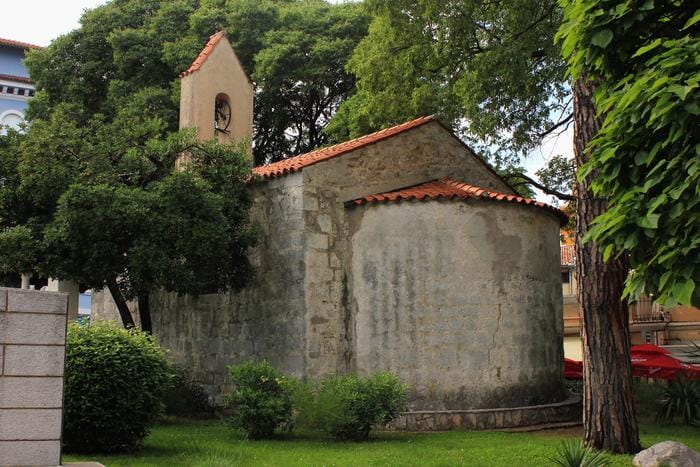
Lovran is also known as a popular destination for health tourism.
Lovran has a long tourist tradition dating back to the 19th century. This was made possible by its favorable accommodations and climate, which made it a desirable destination for aristocrats during the Austro-Hungarian Monarchy. Lovran’s appearance reflects its medieval heritage, evidenced by the remains of the walls that once surrounded the old town. In the center stands the indispensable Church of St. George, the patron saint of Lovran, built in the 12th century and located on the eponymous main square. In addition to this church, the square is home to other historical buildings, such as the town tower and the medieval government building. For those who enjoy walking, we recommend a stroll along Lungomare, the famous 12 km-long promenade connecting Lovran with Volosko.
Want to find out why aristocrats of the Austro-Hungarian era chose Lovran as their favorite retreat? Book your accommodation and see for yourself this summer.
Malinska
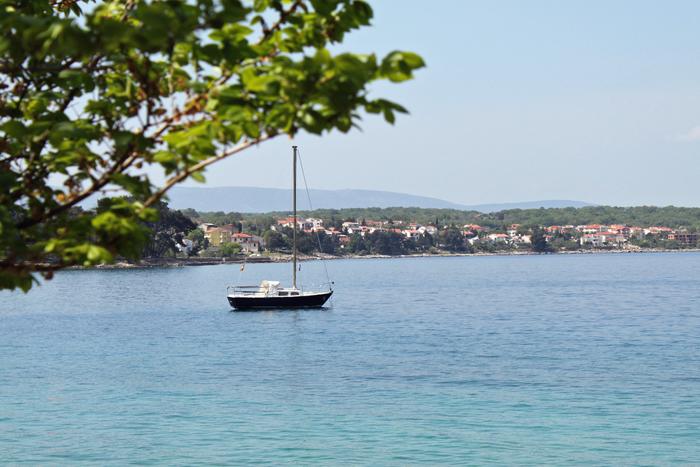
A place on the island of Krk that has a large number of sunny hours throughout the year
If you want to spend your holiday on Krk and need a place that doesn’t get overcrowded even during peak season, look no further than Malinska. This town is located northwest of Krk city, about 12 km away. Thanks to its favorable location and climate, it enjoys a large number of sunny hours throughout the year. The tourist development of Malinska began during the Austro-Hungarian Monarchy. At that time, it was a popular retreat and hunting spot for Austro-Hungarian aristocrats. Today, it is a desirable tourist destination, ideal for a family holiday. The town also offers plenty of opportunities for active recreation, thanks to well-maintained cycling and running paths.
Nin
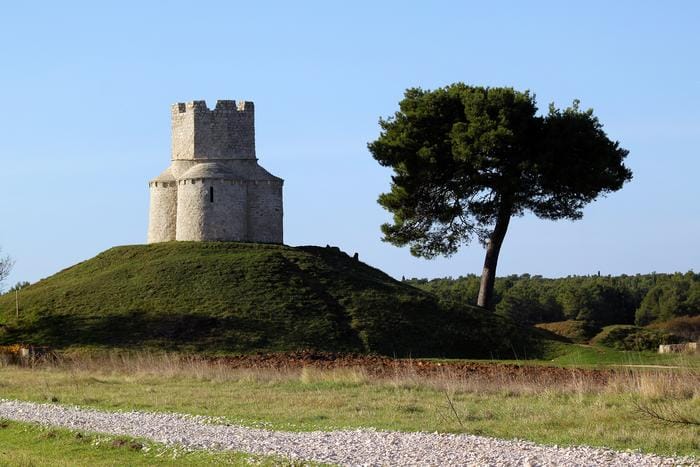
Nin was the center of political and ecclesiastical life in the Middle Ages.
One of the smallest towns in Croatia, Nin hides a wealth of legends and historical stories. It was also a favorite town of many medieval Croatian rulers and an important medieval church center. Given its historical significance, Nin stands out as a must-visit destination among small towns on the Adriatic. Thanks to its rich history, Nin is full of unique buildings, including the Church of the Holy Cross, known as the smallest cathedral in the world, and the Church of St. Nicholas, where newly crowned kings were, according to legend, presented to the people. After exploring centuries of history, you can relax at one of the most beautiful beaches in the world, according to the American Travel Channel. Queen’s Beach stretches about 3 km and, besides swimming, features an area rich in healing mud nearby.
Book your accommodation on Adriatic.hr and spend your summer in this royal town.
Tisno
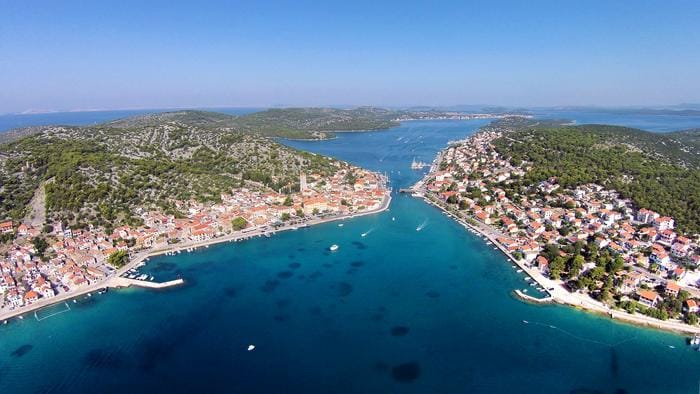
The government of the Venetian Republic left the architecture and the current appearance of this place to
This town is unique because it stretches partly on the mainland and partly on the island of Murter. It began its development during the rule of Napoleon in this region. For a long time, it was under the control of the Venetian Republic, as evidenced by numerous buildings such as villas, the Mazzuro Palace, and the town hall. During its development, the local economy relied on agriculture, fishing, and the popular cultivation of vineyards. Today, tourism has replaced agriculture as the town's main economic branch. You can best experience local life in the small cafés where the townspeople gather and socialize.
Vis
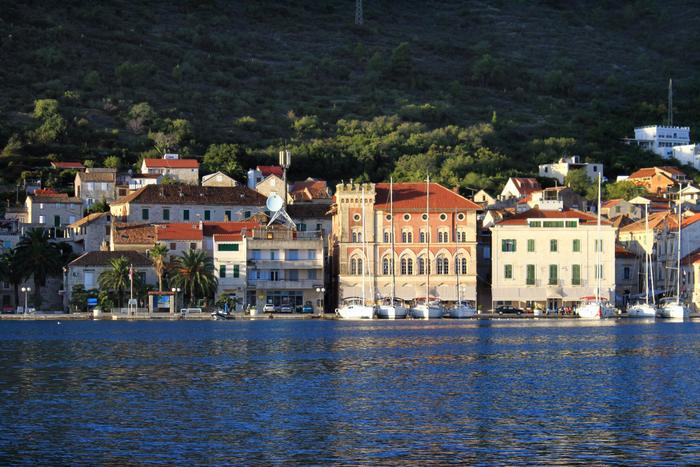
Vis had the status of a free city during the Roman Empire.
Another destination that has held great importance since ancient times and has been influenced by many ruling powers is Vis. Due to its strategic location on the Adriatic Sea, Vis was a key point in numerous historical wars. Today, evidence of this history can be seen in abandoned military bases from World War II as well as other military structures built by various rulers. Despite its military significance, which partly contributed to the island's isolation, Vis is now primarily a place focused on tourism and agriculture. With archaeological museums and sites that showcase Vis’s importance through different historical periods, visitors have ample opportunities to experience life on the island. This is further enhanced by a rich gastronomic offer based on seafood, with local restaurants providing a unique taste of the Mediterranean spirit.
Podgora

Podgora is one of the most beautiful places on the Makarska Riviera.
Podgora gets its name from its location at the foot of the Biokovo mountain. Although today it is a modest yet popular tourist destination, throughout history it held significant defensive importance. Facing the sea, its residents have cultivated a tradition of fishing and seafaring since ancient times, which was the primary livelihood before tourism developed.
Besides its charming appearance, Podgora is home to fascinating religious sites such as the Church of St. Tekla from the 17th century and the Church of All Saints from the 18th century. Visitors will also be impressed by a unique building located just five meters from the coast, which served both as a lighthouse and a chapel dedicated to the Virgin Mary and St. Nicholas.
Hum
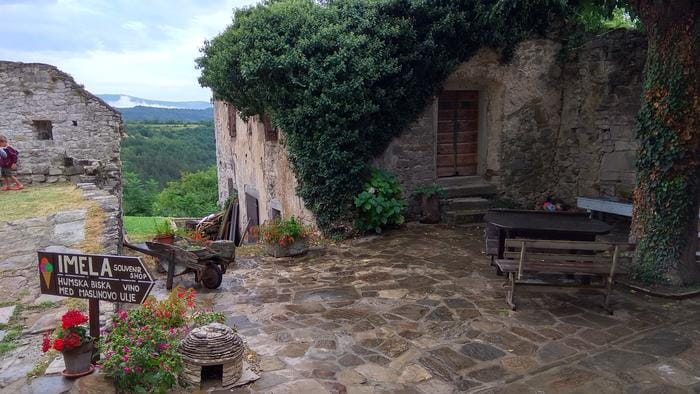
A city that has not changed its original appearance to this day
Imagine spending a summer in a town with just 20 residents. Sounds unusual? For a truly unique experience this summer, visit the smallest town in the world according to the Guinness World Records. Hum is a small town that will take you back to the Middle Ages. But don’t think that the town’s size is the only thing that might interest tourists. Hum takes great pride in its history and unique appearance, which has changed very little since its founding. Among its many fortifications, built to defend against the Ottomans and Venetians, you should visit the Church of the Assumption of Mary and the Church of St. Jerome from the 12th century. While exploring these historic sites, you can also witness the centuries-old tradition of electing the town mayor, when the town gates open to visitors and a special entertainment program is held.
Experience a touch of medieval atmosphere this summer in the smallest town in the world.
Orebić

A small town with a centuries-old maritime tradition
Orebić is a small town in southern Croatia that you should definitely consider as a summer destination. Its advantage is that you will rarely encounter crowds, even during the peak of the summer season. This small town was originally established in the 15th century and was named in 1584 after the Orebić family of maritime captains who governed the town. Throughout history, Orebić produced a large number of maritime captains, which is still regarded as a great honor among the locals. The town’s deep connection to the sea and maritime tradition led to the opening of a maritime museum displaying artifacts from around the world, donated by families of notable seafarers. The residents of Orebić are also proud of their Catholic heritage, as evidenced by around 40 churches that are worth visiting.


