5 things you can only do in Croatia
June 29, 2026
Ferry lines in Croatia 2026
July 13, 2026Contents
Show- Quick answer
- The 15 Best Things to Do in Croatia
- Dubrovnik City Walls
- Plitvice Lakes
- Krka National Park
- Diocletian’s Palace in Split
- Island-hopping in Dalmatia
- Blue Cave near Vis
- Zlatni Rat Beach on Brač
- Sea Organ and Greeting to the Sun in Zadar
- Kayaking beneath Dubrovnik’s walls
- Roman Arena in Pula
- Rovinj at golden hour
- Mljet National Park
- Game of Thrones trail
- Croatian wine and food
- Rafting on the Cetina
- Best things to do by city and region
- Dubrovnik
- Split
- Hvar
- Zadar
- Zagreb
- Istria
- Islands
- Quieter gems
- Best things to do by interest
- When is the best time to visit Croatia?
- How many days do you need in Croatia?
- Practical tips for visiting Croatia
- Frequently asked questions
- Final thoughts
Quick answer: the must-dos
- The single best experience: walk the Dubrovnik City Walls at opening or sunset.
- Two waterfalls you can't skip: Plitvice Lakes and Krka National Park.
- Best history hit: get lost inside Diocletian's Palace in Split.
- Best way to feel Croatia: spend two days island-hopping the Dalmatian coast.
- Best months to visit: June and September — warm sea, thinner crowds, lower prices.
Below you'll find the 15 experiences worth building a trip around, then a breakdown of the best things to do city by city — from Dubrovnik and Split to the quieter corners of Istria and the islands — plus when to go, how long to stay, and the practical details that make a first trip smooth.
The 15 Best Things to Do in Croatia

1. Walk the Dubrovnik City Walls
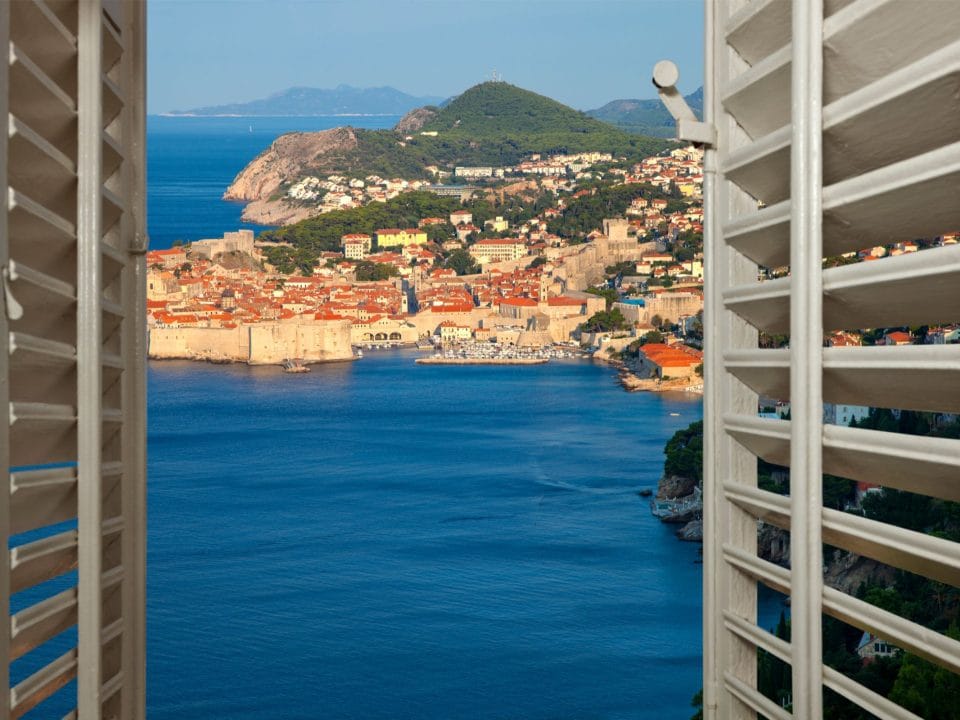
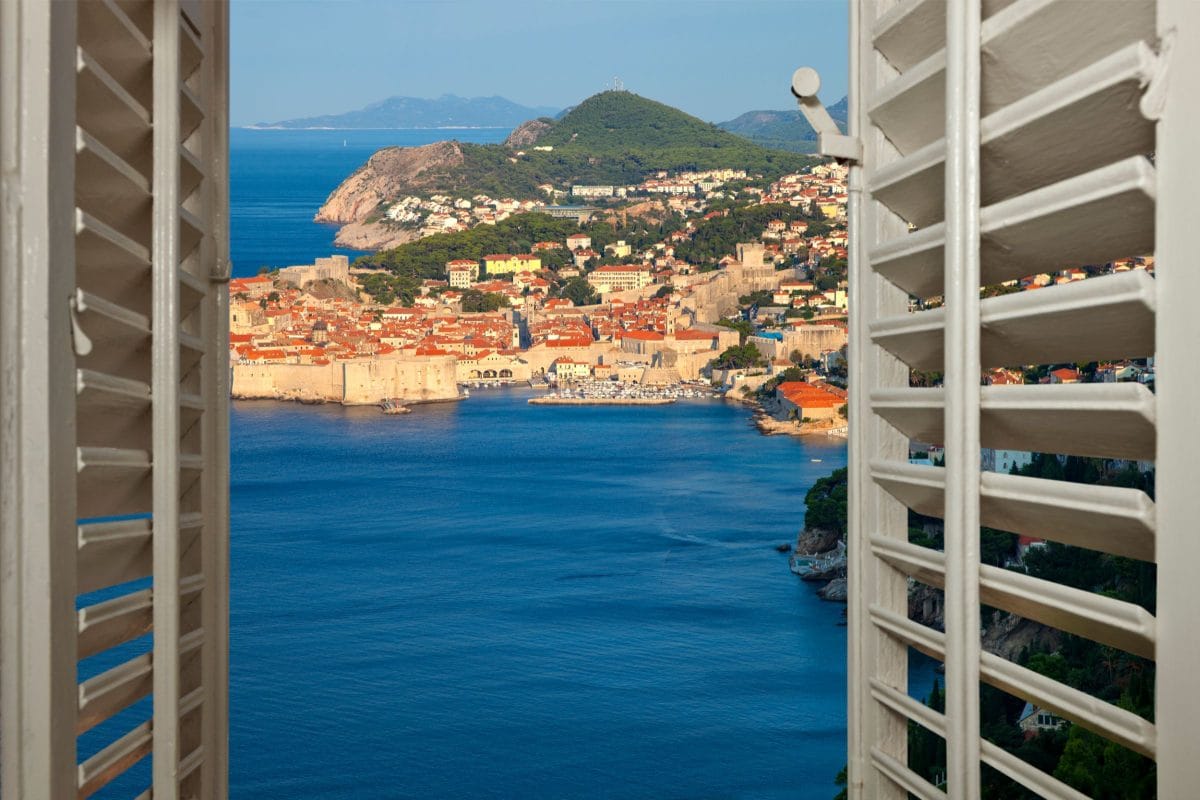
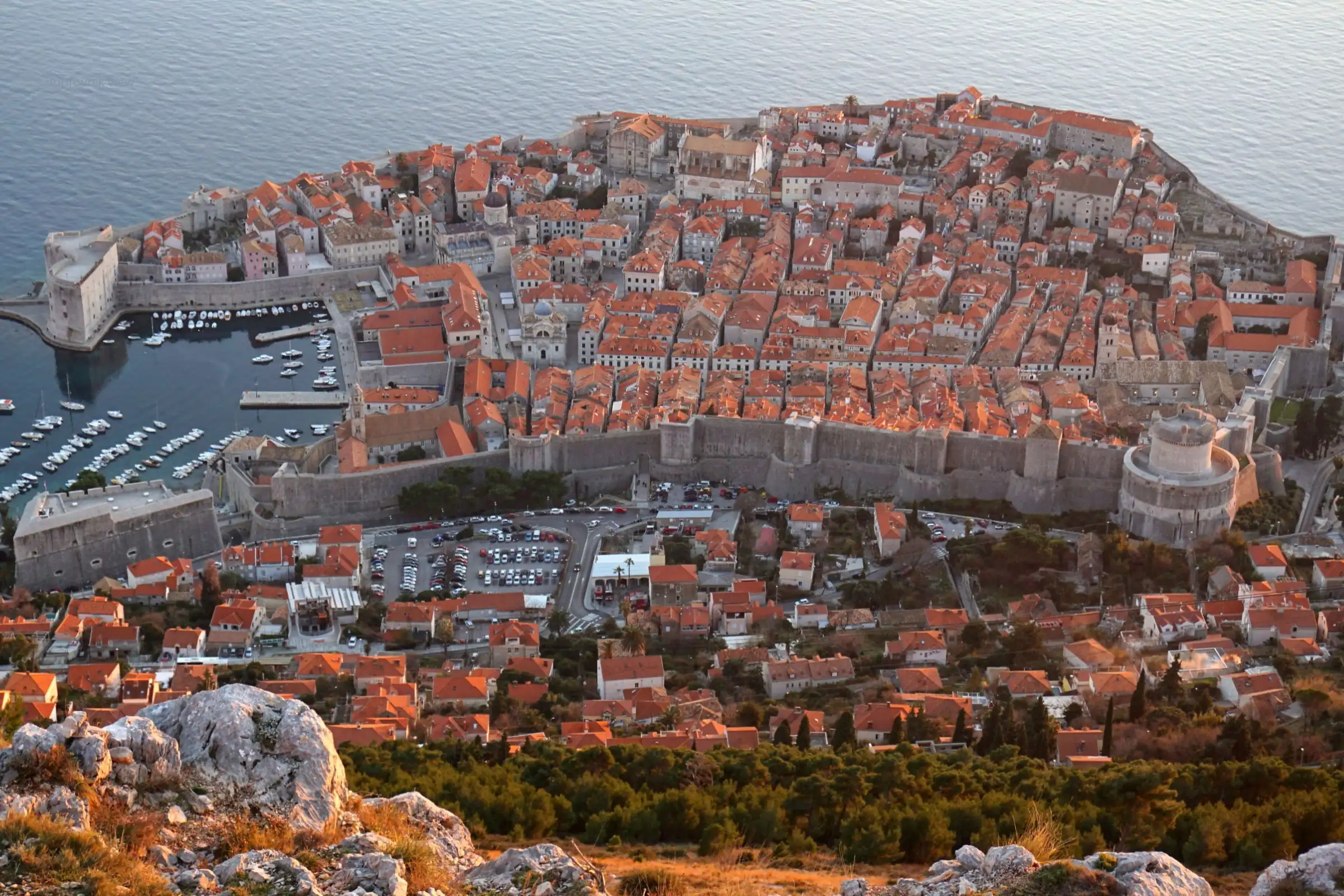
No experience is more quintessentially Croatian than circling the honey-coloured ramparts of Dubrovnik. The 2 km loop takes 1.5–2 hours and delivers postcard views over terracotta rooftops and the deep-blue sea. Go right at opening or in the last two hours before sunset to dodge both the heat and the cruise crowds. The Old Town is a UNESCO World Heritage Site.
2. Chase Waterfalls at Plitvice Lakes
Croatia's most famous natural wonder is a fairy-tale chain of 16 turquoise lakes linked by cascades and wooden boardwalks. Explore early and follow the longer loop for every highlight; in summer, book timed-entry tickets ahead as they sell out. See our Plitvice Lakes guide or the official park site for opening hours.
3. Swim Beneath the Falls at Krka
Where Plitvice is for looking, Krka National Park is about easy boardwalks, waterfalls and river scenery close to the coast. Swimming rules change seasonally, so check the official Krka site before you go. Even without a dip, Skradinski Buk is spectacular, and Krka is far easier to reach from Split or Šibenik than Plitvice.
4. Get Lost in Diocletian's Palace, Split
Split's Old Town isn't next to a Roman ruin — it is one. The 1,700-year-old palace of Emperor Diocletian is a living warren of cafés, apartments and bars built into the original walls. Don't miss the Peristyle, the bell-tower climb and the cellars. For the local angle, read Experience Split Like a Local.
5. Go Island-Hopping in Dalmatia
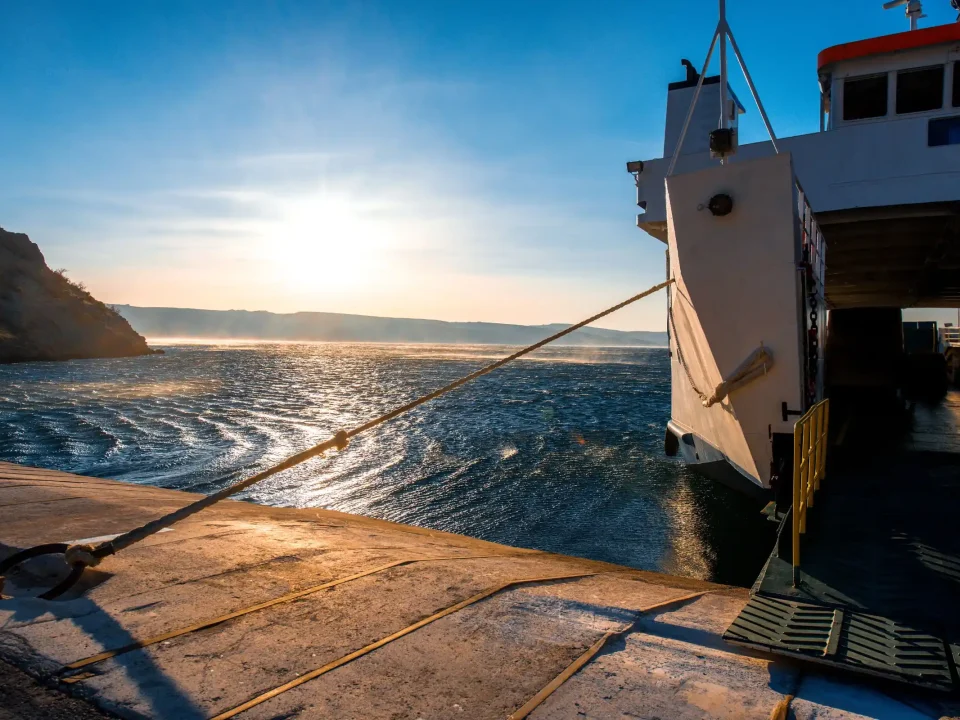
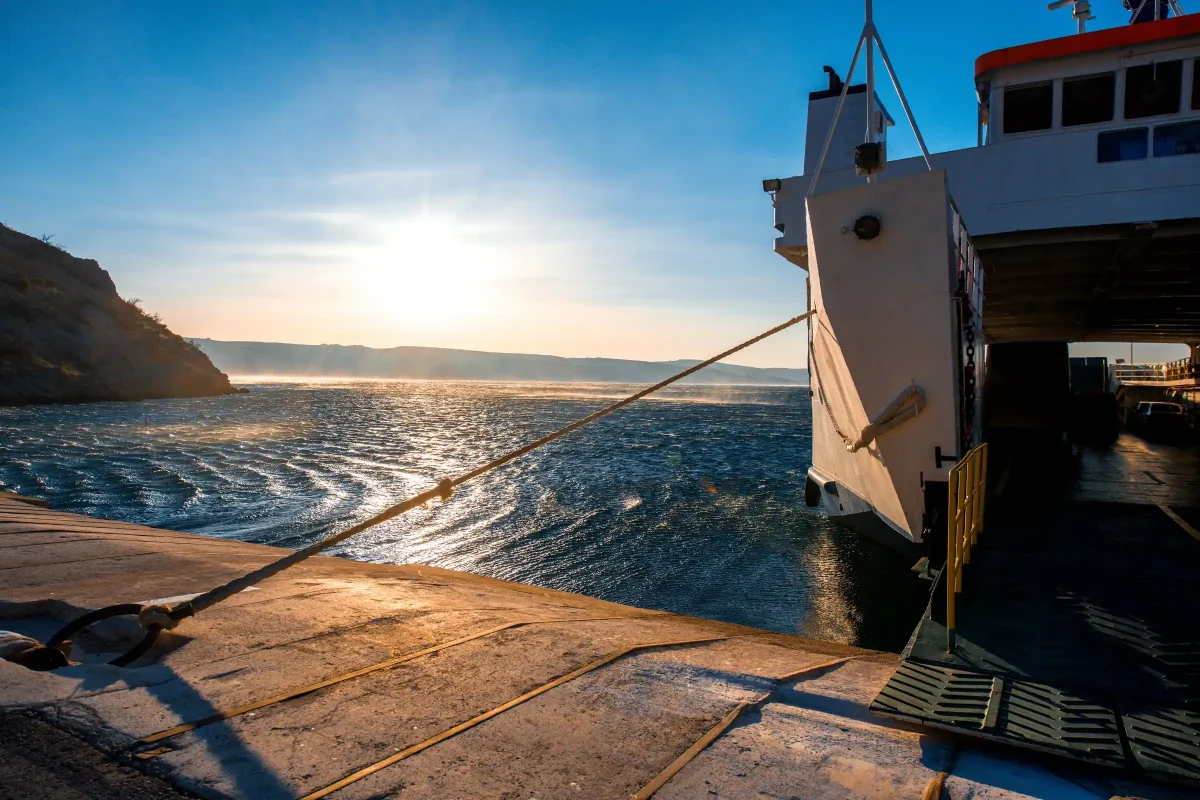
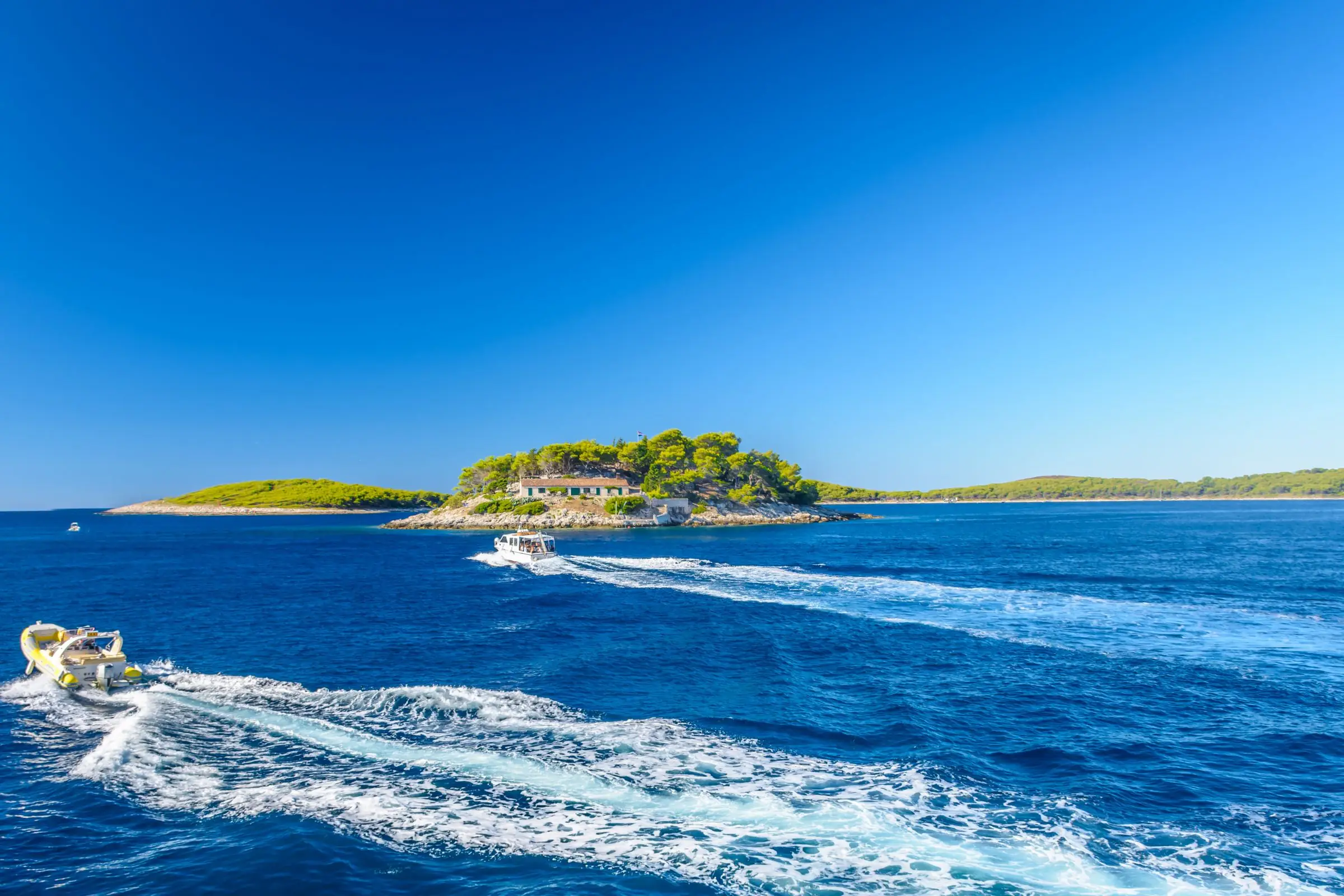
The single best way to feel Croatia's magic is to string together a few islands: buzzy Hvar, laid-back Brač, remote Vis and historic Korčula. Ferries and catamarans run frequently from Split in summer, and each island has a completely different rhythm. Start with the Adriatic.hr islands guide to compare the main island groups.
6. See the Blue Cave near Vis
A short boat ride from Vis, the Blue Cave on Biševo glows an electric blue when midday sun refracts through the water — one of the most jaw-dropping sights in the Adriatic. Tours usually combine it with the wild cove of Stiniva and a swim stop.
7. Relax on Zlatni Rat Beach, Brač
Croatia's most photographed beach is a shimmering white-pebble spit that changes shape with the wind. Backed by pines near the town of Bol, Zlatni Rat is also a windsurfing hotspot thanks to the reliable afternoon breeze. Arrive early for calmer water and fewer people.
8. Hear Zadar's Sea Organ & Greeting to the Sun
Zadar turned its waterfront into art: the Sea Organ plays music as waves push air through underwater pipes, while the Greeting to the Sun puts on a colour show after dark. Alfred Hitchcock famously praised Zadar's sunset, and the city is also a natural gateway to the stark, beautiful Kornati islands.
9. Kayak Beneath Dubrovnik's Walls
Trade the crowds for a paddle. Sea-kayaking tours launch just outside the Old Town and glide beneath the walls to Lokrum Island and a hidden cave beach, usually finishing with a snorkel at sunset — one of the most memorable ways to see Dubrovnik from the water.
10. Step Into the Roman Arena in Pula
Istria's headline act is a remarkably intact 1st-century Roman amphitheatre — one of the largest surviving anywhere, and the only one with all three original tiers preserved. In summer it hosts concerts and a film festival under the stars. Pair it with the old town, the waterfront and a slow trip through the wider Istrian interior.
11. Wander Rovinj at Golden Hour
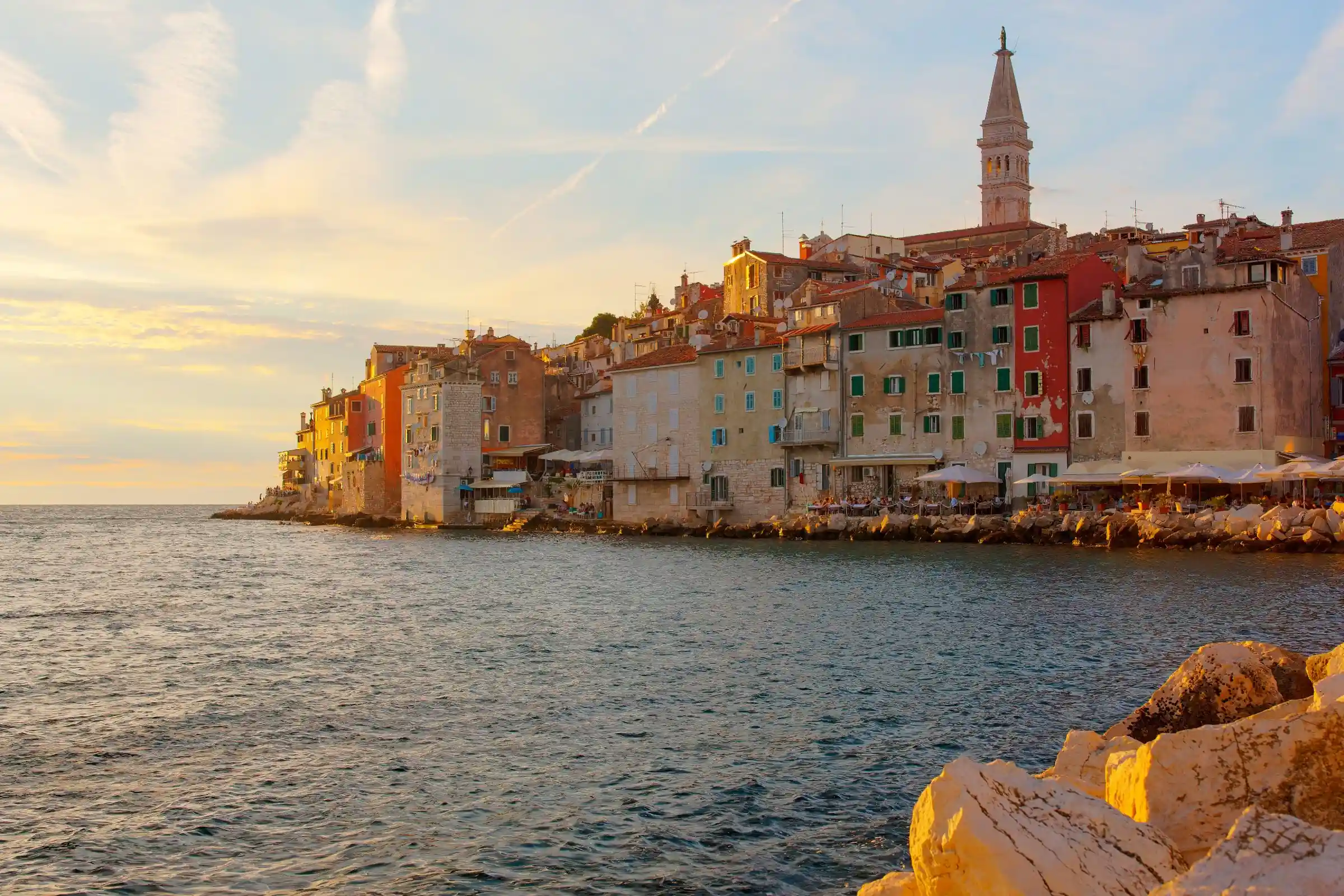
The prettiest town on the Istrian coast, Rovinj tumbles to the sea in a tangle of cobbled lanes, pastel houses and the soaring bell tower of St Euphemia. Climb the tower, get lost in the backstreets, then find a waterfront table for fresh seafood as the sky turns pink.
12. Explore Mljet National Park
Half of the island of Mljet is a national park built around two connected saltwater lakes. Rent a kayak or bike, then take a boat to the tiny islet with its 12th-century monastery in the middle of the lake. See the Mljet National Park guide — it's the Adriatic at its most serene.
13. Follow the Game of Thrones Trail
Croatia doubled as King's Landing and beyond. Beyond Dubrovnik's walls and Split's cellars, fans can visit Lokrum Island, the Trsteno Arboretum and the fortress of Klis near Split. Use this as a fun extra theme, but don't rush the real history of Dubrovnik and Split just to tick off filming locations.
14. Taste Croatia's Wine & Food
Croatian wine punches above its weight. Sip bold Plavac Mali reds on the Pelješac Peninsula, tour family cellars in the Istrian interior and — in autumn — go truffle hunting before a truffle-laden lunch. Pair it with fresh oysters from Ston or a slow konoba dinner by the sea.
15. Raft the Cetina River from Omiš
For an adrenaline hit, the Cetina River near the old pirate town of Omiš offers whitewater rafting, canyoning and zip-lining through a dramatic gorge — an easy, thrilling day trip from Split and one of the best outdoor adventures on the Dalmatian coast.
Best Things to Do in Croatia by City & Region
Croatia rewards slow travel. Here's where to focus depending on where you base yourself.
Things to Do in Dubrovnik
Beyond the walls, ride the cable car up Mount Srđ for the definitive panorama, take the short boat to green Lokrum Island, and day-trip to the charming harbour village of Cavtat down the coast. Time your Old Town wandering for early morning or evening, and read up on the wider Dubrovnik Riviera.
Where to sleep: browse apartments in Dubrovnik close to the Old Town.
Things to Do in Split
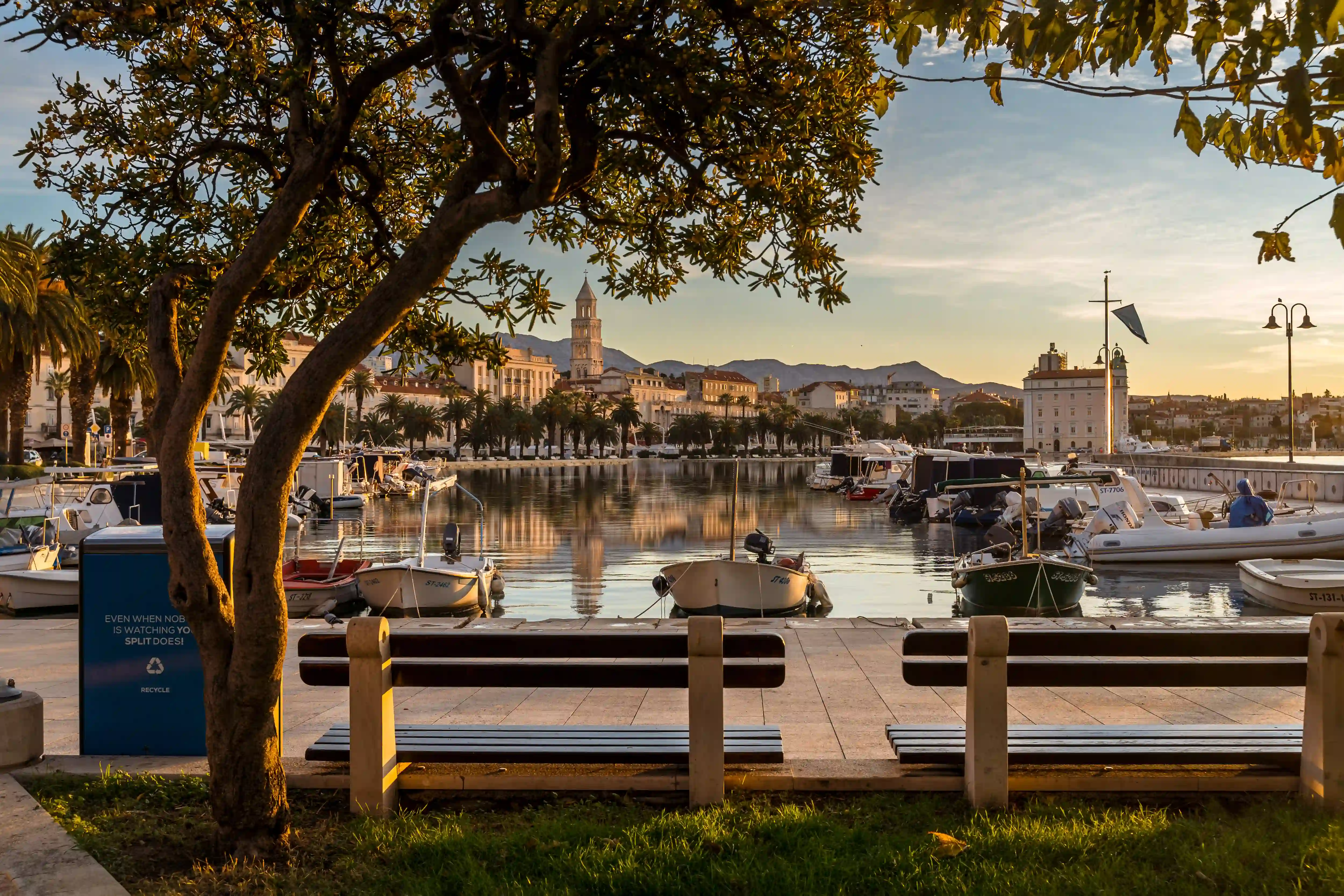
Use Split as your springboard to the islands. Climb Marjan Hill for sunset over the city, swim at Bačvice beach, explore the palace after dark when day-trippers leave, and hop a ferry to Hvar or Brač. Nearby Trogir — a UNESCO-listed mini-Split — makes a lovely half-day. Our guides on 15 things to know about Split and 7 days in Split & surroundings go deeper.
Where to sleep: compare apartments and rooms in Split.
Things to Do in Hvar
Croatia's sunniest island blends glamour and history. Climb to the Španjola Fortress above Hvar Town, sail the Pakleni Islands for hidden swimming coves, and explore the lavender fields and old villages inland. By night, Hvar Town has some of the coast's liveliest bars.
Where to sleep: find accommodation on Hvar.
Things to Do in Zadar
Under-rated and easy to love. Beyond the Sea Organ, wander the Roman Forum, watch the sky from St Donatus, and use Zadar as a springboard to Kornati National Park — an archipelago of 89 stark, beautiful islands best seen by boat.
Where to sleep: browse apartments in Zadar.
Things to Do in Zagreb
Croatia's capital is a cultural gem. Stroll the Upper Town (Gornji Grad), see the tiled roof of St Mark's Church, browse the quirky Museum of Broken Relationships, and soak up the café scene on Tkalčićeva Street. In December, Zagreb's Advent is repeatedly voted one of Europe's best Christmas markets.
Where to sleep: find accommodation in Zagreb.
Things to Do in Istria (Pula, Rovinj & Poreč)
Croatia's northern peninsula feels part-Italian and is ideal for road trips. Base in Rovinj or Poreč (see the UNESCO Euphrasian Basilica mosaics), explore the hilltop art town of Grožnjan, and eat your way through the truffle capital of Motovun. Start planning with our Istria travel guide.
Where to sleep: browse Pula, Rovinj and Poreč accommodation.
Things to Do in the Islands (Korčula, Brač, Vis & Krk)
Each island has its own character: Korčula for its walled old town and (disputed!) claim as Marco Polo's birthplace; Brač for Zlatni Rat and stone-carving villages; Vis for its remote, unspoilt feel and the Blue Cave; and Krk for easy access and family beaches in Kvarner.
Where to sleep: explore island stays on Korčula, Brač, Vis and Krk.
Quieter Gems: Šibenik, Makarska, Rijeka & Opatija
If you want fewer crowds, Šibenik has two UNESCO sites and a fortress-topped old town, the Makarska Riviera offers dramatic beaches beneath the Biokovo mountains, and Opatija brings faded Habsburg elegance to the Kvarner coast near Rijeka.
Best Things to Do in Croatia by Interest
Fun & Unique
Sleep in a lighthouse, sea-kayak to a cave beach, watch an open-air film in a Roman arena, or take a sunset catamaran cruise. For offbeat ideas, see our top Instagram spots in Croatia.
Adventure Seekers
Croatia is an outdoor playground: whitewater rafting on the Cetina, sea kayaking the Adriatic, cliff jumping around Vis, and hiking in Paklenica and Biokovo.
Families with Kids
Kids love the waterfall boardwalks at Plitvice and Krka, the beaches of the Makarska Riviera, and Croatia's top water parks. Browse family accommodation for space and pools.
Free Things to Do
Wandering Diocletian's Palace, watching Zadar's Greeting to the Sun, hiking Marjan Hill, and swimming at countless free beaches all cost nothing at all.
When Is the Best Time to Visit Croatia?
Croatia is a seasonal destination, and timing changes the experience completely.
Spring (Apr–May)
Green landscapes, wildflowers, quiet sights and cool seas. Ideal for hiking, cities and the national parks before the crowds.
Summer (Jun–Aug)
Warm sea, long days and buzzing islands. June is the sweet spot; July–August is peak, so book early and explore towns early or late.
Autumn (Sep–Oct)
September is arguably the best month overall — summer sea temperatures with far fewer people. October is mild, quiet and great for Istria and cities.
Winter (Nov–Mar)
Coastal towns are peaceful and cheap; the highlight is Zagreb's Advent. Great for city breaks, culture and Plitvice under a dusting of snow.
How Many Days Do You Need in Croatia?
A simple 7-day route: base in Split, ferry to Hvar, then finish in Dubrovnik, with day trips to Krka, the Pakleni Islands and the city walls.
Practical Tips for Visiting Croatia
Rent a car for Istria and the national parks, but rely on ferries and catamarans for the islands (book summer routes early). For official visitor information, the Croatian National Tourist Board is the best starting point, and our summer packing checklist covers the rest.
Frequently Asked Questions
What is Croatia best known for?
Croatia is best known for its stunning Adriatic coastline, thousands of islands, the walled city of Dubrovnik, waterfall-filled national parks like Plitvice and Krka, and Roman heritage such as Diocletian's Palace in Split.
What is the number one attraction in Croatia?
Dubrovnik's Old Town and City Walls are Croatia's single most iconic attraction, closely followed by Plitvice Lakes National Park.
What are the best things to do in Croatia for first-timers?
Walk the Dubrovnik City Walls, visit Plitvice and Krka national parks, explore Diocletian's Palace in Split, and spend at least two days island-hopping in Dalmatia.
Is Croatia expensive to visit?
Croatia is mid-range for Europe. Peak-season Dubrovnik and Hvar can be pricey, but visiting in the shoulder months (June, September, October) and eating where locals eat keeps costs reasonable.
How many days do you need in Croatia?
Seven days lets you see one region well; ten days covers the classic Zagreb-to-Dubrovnik route; two weeks allows a relaxed coast-and-islands trip.
What is the most beautiful part of Croatia?
The Dalmatian coast and its islands — especially the stretch from Split to Dubrovnik — are widely considered Croatia's most beautiful region, though Istria and the Plitvice Lakes have passionate fans too.
Final Thoughts
Whether you're chasing waterfalls, sailing between islands, or simply watching the sun drop over the Adriatic with a glass of Plavac Mali, Croatia delivers on its promise. Start with the 15 experiences above, add the cities that speak to you, and leave room for the unplanned swim stops and long lunches — those tend to become the best memories of all.