Life on Mars Trail: the most famous trail on the island of Pag
May 15, 2026
The Best Croatian Souvenirs to Bring Home from Your Trip
June 1, 2026Digital nomads most often do not come to Croatia just because of the sea. They come because of the combination of work, freedom, and a daily lifestyle that is still slower than in large European cities. This is exactly where Croatia becomes interesting: it is well connected enough, safe enough, and diverse enough to suit different styles of remote work.
Who are digital nomads?
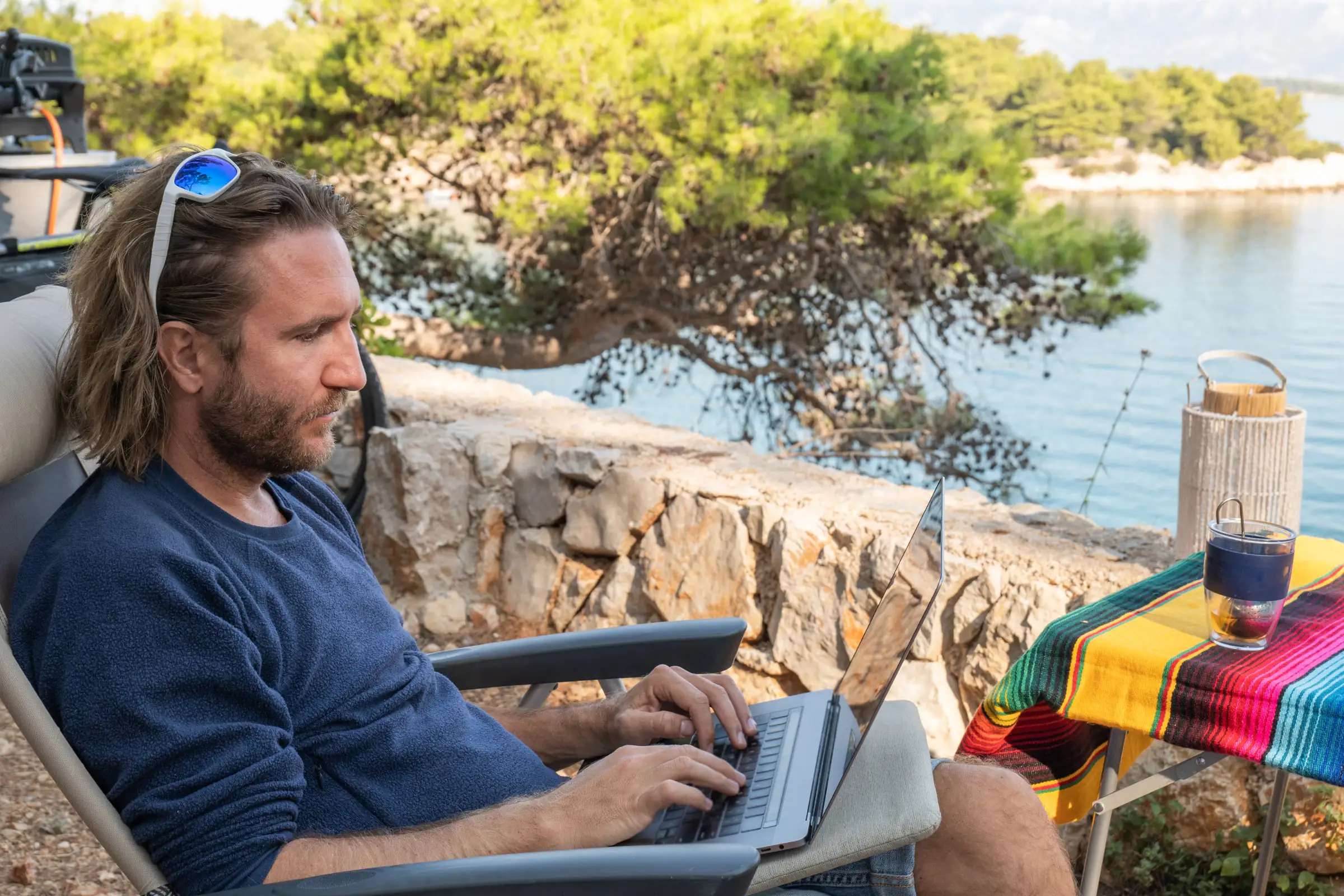
Digital nomads are people who can perform their jobs via the internet without being permanently based in an office. They can be programmers, designers, marketing professionals, copywriters, consultants, online entrepreneurs, or employees of foreign companies who work remotely.
What sets them apart from traditional tourists is the length and style of their stay. Tourists usually think about beaches, excursions, and holidays. Digital nomads think about internet speed, a work desk, a quiet neighborhood, nearby shops, and whether they can comfortably live in a place for several weeks or months without feeling like they are constantly “passing through.”
In practice, this means they need more than just a beautiful apartment. They need a functional space. Stable Wi-Fi, a comfortable chair, the ability to make video calls without noise, good transport connections, and proximity to amenities are often more important than a luxurious interior.
How does this way of life work?
From the outside, digital nomadism often looks like constant travel, but in reality it mostly depends on having a good routine. Most people who do serious remote work do not change location every three days. Much more often, they stay in one destination for several weeks or months so they can work and live normally.
A typical day looks quite simple: a few hours of focused work in the morning, a break for coffee or a walk, meetings in the afternoon, and free time in the evening. This is exactly where the advantage of Croatia becomes clear.
It is also important to mention the legal side. Croatia offers the possibility of temporary stay for digital nomads, and official information is available on the website of the Ministry of the Interior: Temporary stay of digital nomads .
Split, Central Dalmatia
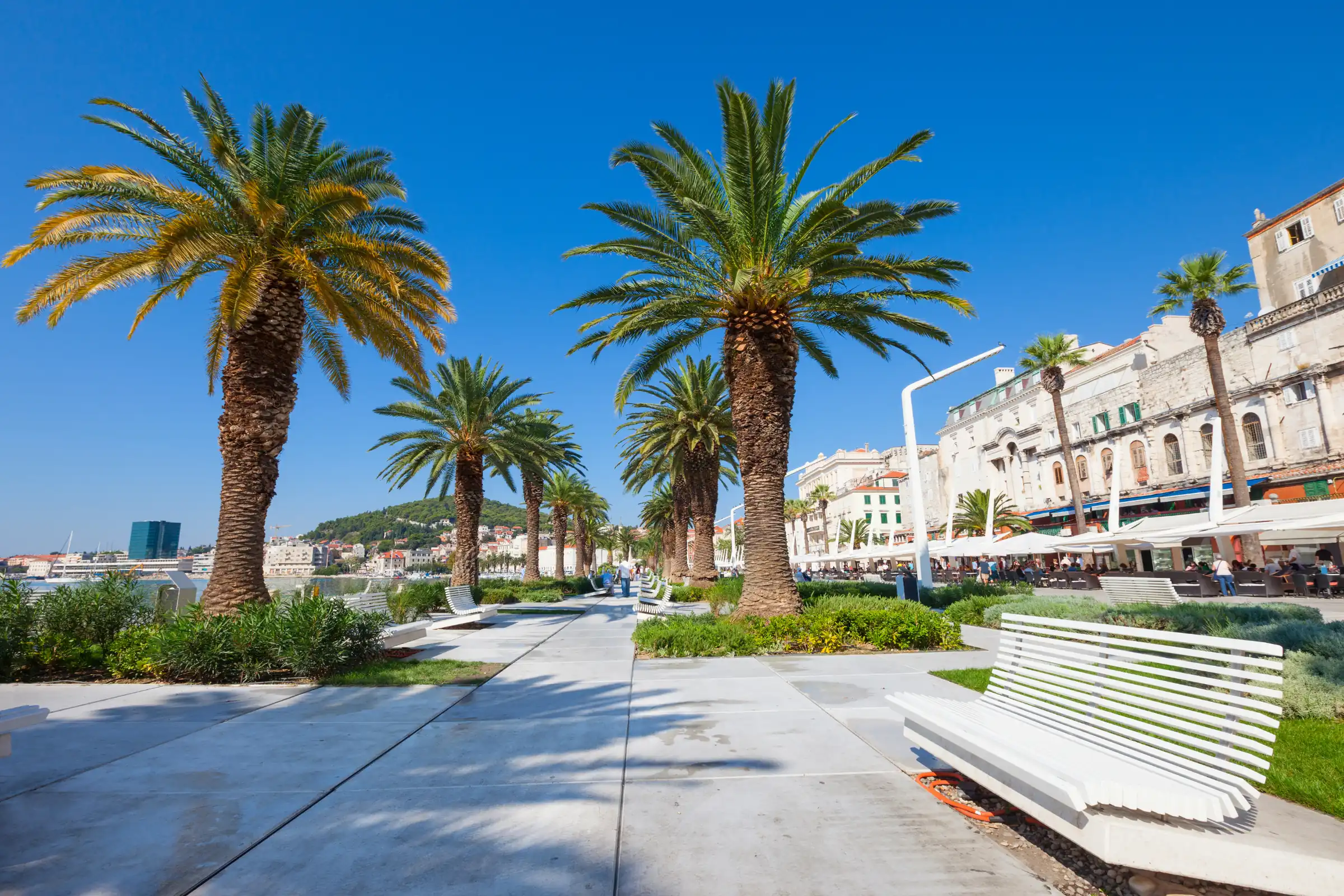
Split is the most common choice for digital nomads who want to combine work, social life, and the sea. The city offers enough content during most of the year, and it works especially well for people who do not want complete isolation. Coworking spaces, cafés, gyms, promenades, and beaches create a rhythm in which it is easy to combine work and free time.
Split’s greatest advantage is its energy. If you are arriving alone, it is easier to meet other people here than in smaller places. On the other hand, in summer the city can become very noisy and expensive, so for a longer stay it is wiser to choose neighborhoods outside the strict city center.
| Factor | Rating / impression |
|---|---|
| Working conditions | A good coworking scene, many cafés, and a large choice of apartments. |
| Best neighborhoods | Žnjan, Firule, Meje, Bačvice, and areas outside the tourist core. |
| Main drawback | Crowds, noise, and higher prices during the summer. |
| Best time | April, May, September, and October. |
| Life ranking |
★
★
★
★
★
The best balance between social life, the sea, and the coworking scene. An excellent choice for the first months of remote life in Croatia.
|
Zadar, Northern Dalmatia
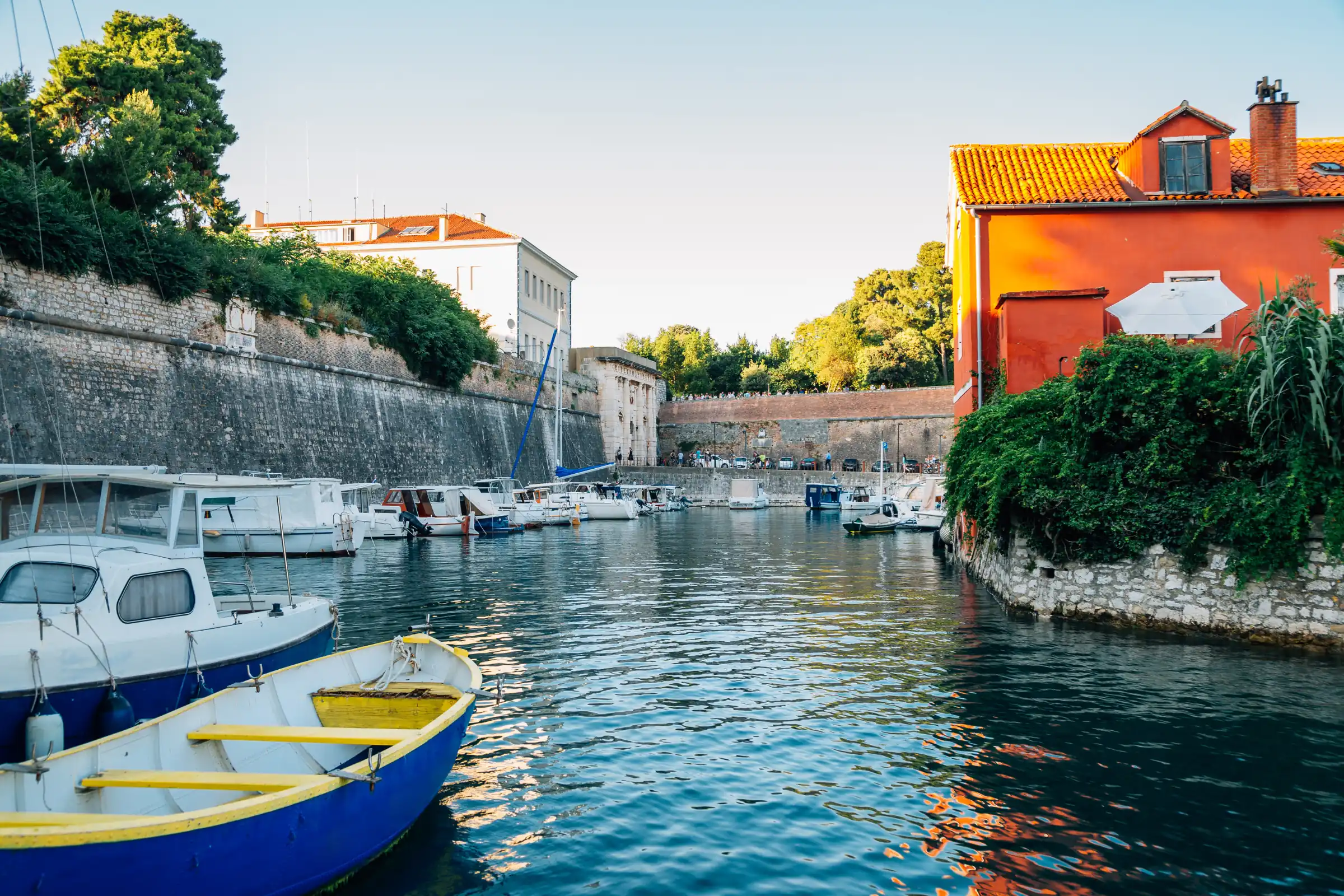
Zadar is an excellent choice for digital nomads who want a city by the sea, but without the intensity of Split. It is large enough to have everything needed for everyday life, yet calm enough to make it easy to maintain a working routine.
This is exactly why Zadar suits people who do focused work. There are fewer distractions, the crowds are more manageable, and life is simpler. After work, you can go to the waterfront, visit the islands, head toward Velebit, or explore one of the nearby places. This shows that Zadar is not only a good tourist base, but also a very practical place for a longer stay.
| Factor | Rating / impression |
|---|---|
| Working conditions | Good internet in most accommodation, enough cafés, and an increasing number of workspaces. |
| Best locations | The Peninsula for atmosphere, Borik and Diklo for a quieter stay by the sea. |
| Main drawback | A smaller nomad community than in Split or Zagreb. |
| Best time | Spring, early autumn, and winter for a quieter long-term stay. |
| Life ranking |
★
★
★
★
★
An excellent balance between peace, the sea, and everyday life. Lively enough for remote work, but without the stress and pace of larger cities.
|
Dubrovnik, Southern Dalmatia
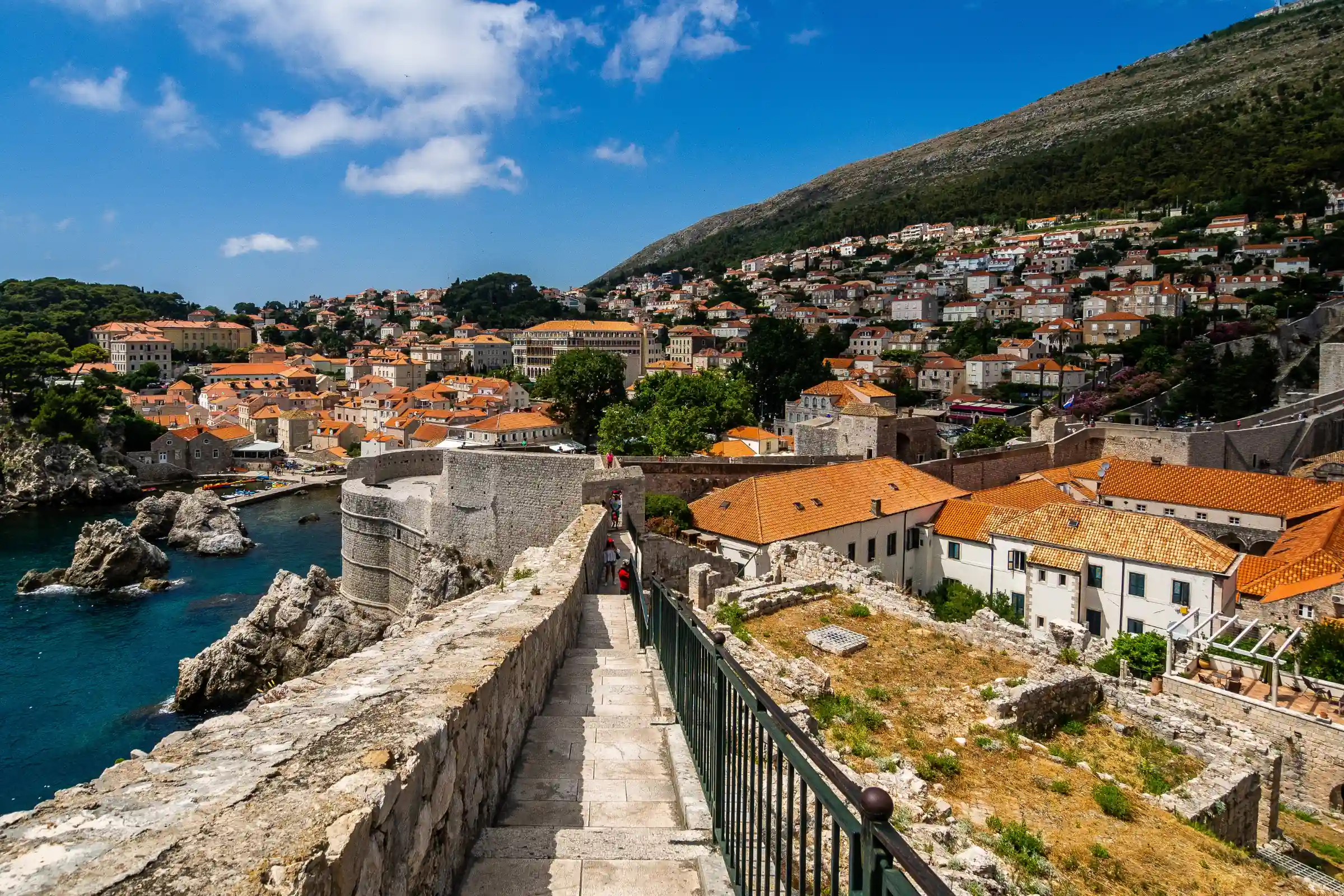
Dubrovnik is neither the most practical nor the cheapest option, but it has something that few destinations can offer: the feeling of living in a space that is historical, Mediterranean, and visually powerful at the same time. This especially attracts digital nomads who are not looking only for functionality, but also for an inspiring environment.
Still, Dubrovnik is best chosen outside the main season. In summer, prices are high, and the old city core can be overcrowded. For normal work, Lapad, Babin Kuk, Gruž, or the surrounding places that offer a calmer everyday rhythm are much more practical.
| Factor | Rating / impression |
|---|---|
| Working conditions | A good choice of quality accommodation, but prices depend heavily on the season. |
| Best locations | Lapad, Babin Kuk, Gruž, and the Dubrovnik surroundings. |
| Main drawback | High prices and large crowds in the summer months. |
| Best time | March, April, May, September, and October. |
| Life ranking |
★
★
★
★
★
A spectacular setting and premium lifestyle, but during the season it can be overcrowded and considerably more expensive than the rest of Croatia.
|
Istria
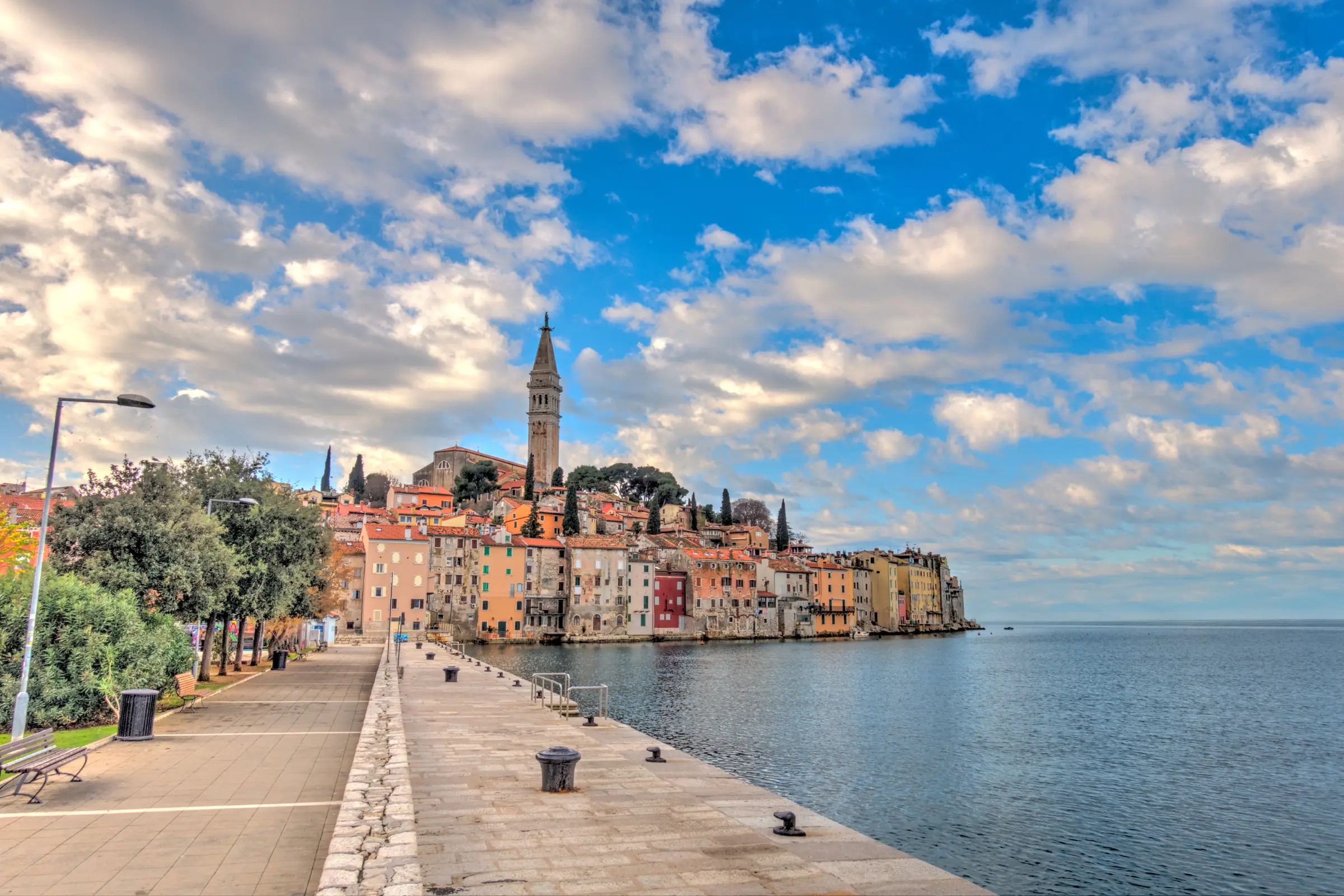
Istria may be the best choice for digital nomads who do not want constant tourist dynamics. Here, the focus is more on quality of life than on a fast pace. Pula offers the most infrastructure, Rovinj and Poreč attract with their visual appeal and lifestyle, while inland Istria offers the most peace.
In practice, this means Istria suits people who want to cook at home, cycle, explore small towns, work from a quieter apartment, and go out for a good dinner in the evening. It is not the strongest destination for networking, but it is excellent for stable, pleasant, and longer-term living.
| Factor | Rating / impression |
|---|---|
| Working conditions | Best in Pula and larger coastal towns, very good for a long-term stay. |
| Best locations | Pula, Rovinj, Poreč, Labin, Motovun, and smaller inland towns. |
| Main drawback | Fewer coworking and nomad events than in Zagreb or Split. |
| Best time | Spring, early autumn, and winter for a quieter lifestyle. |
| Life ranking |
★
★
★
★
★
One of the best options for a long-term stay. Peace, safety, gastronomy, and a slower pace of life stand out especially here.
|
Zagreb, Continental Croatia
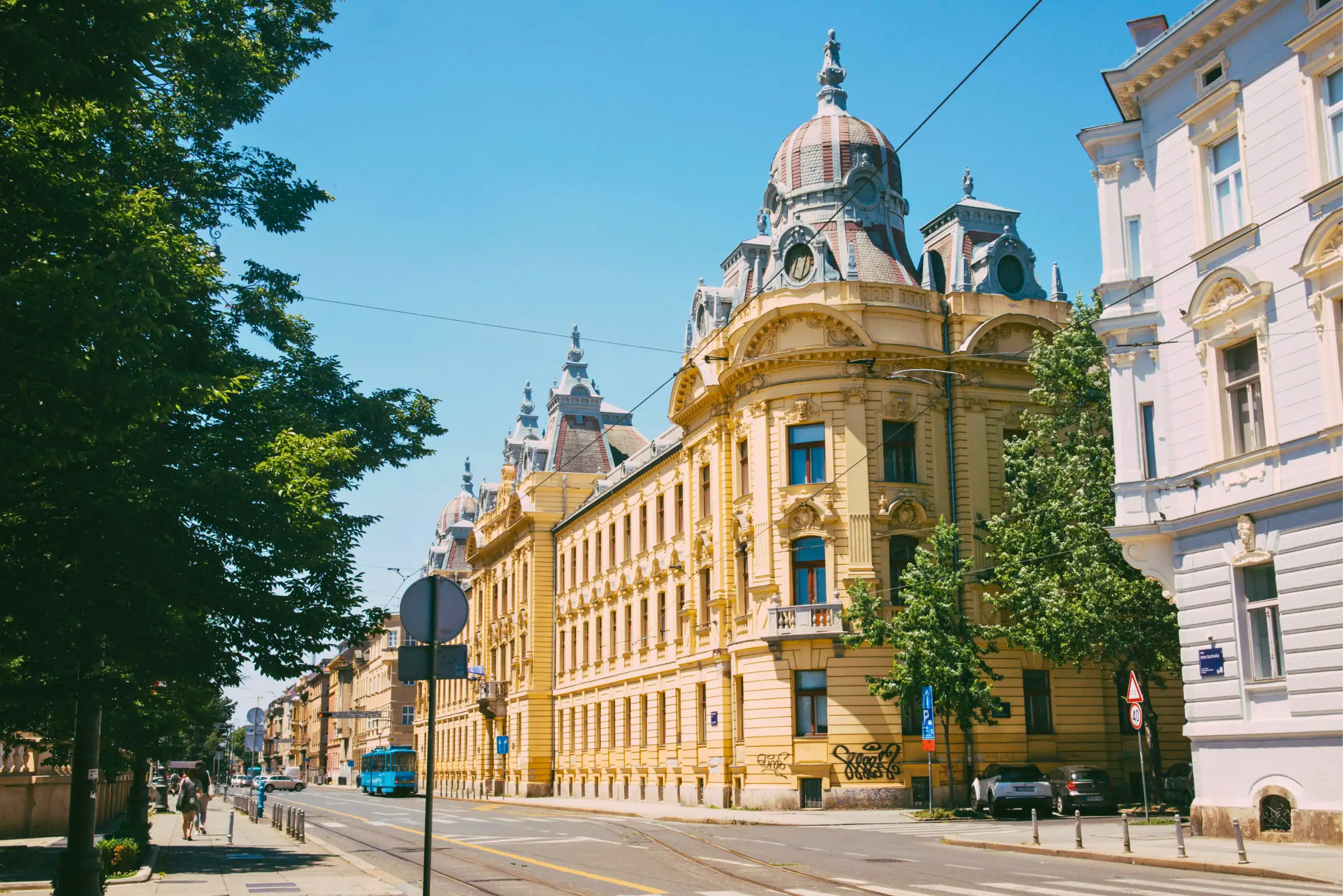
Although Croatia is often first associated with the sea, Zagreb is a very logical choice for digital nomads who want more serious infrastructure. The city has the largest number of coworking spaces, business events, cafés suitable for work, and activities throughout the year.
Zagreb works especially well in winter or outside the season, when some coastal places become too quiet. Here, it is easier to maintain productivity, meet people from the tech and business community, and have a stable urban rhythm.
| Factor | Rating / impression |
|---|---|
| Working conditions | The best in Croatia for year-round remote work. |
| Best locations | The city center, Maksimir, Trešnjevka, the Martićeva area, and the wider city center. |
| Main drawback | It does not have the sea or the Mediterranean rhythm of coastal destinations. |
| Best time | The whole year, especially winter and transitional periods. |
| Life ranking |
★
★
★
★
★
The best choice for serious remote work, coworking, and networking. It does not have the Mediterranean vibe of the coast, but it is the most stable for everyday life.
|
Croatian islands
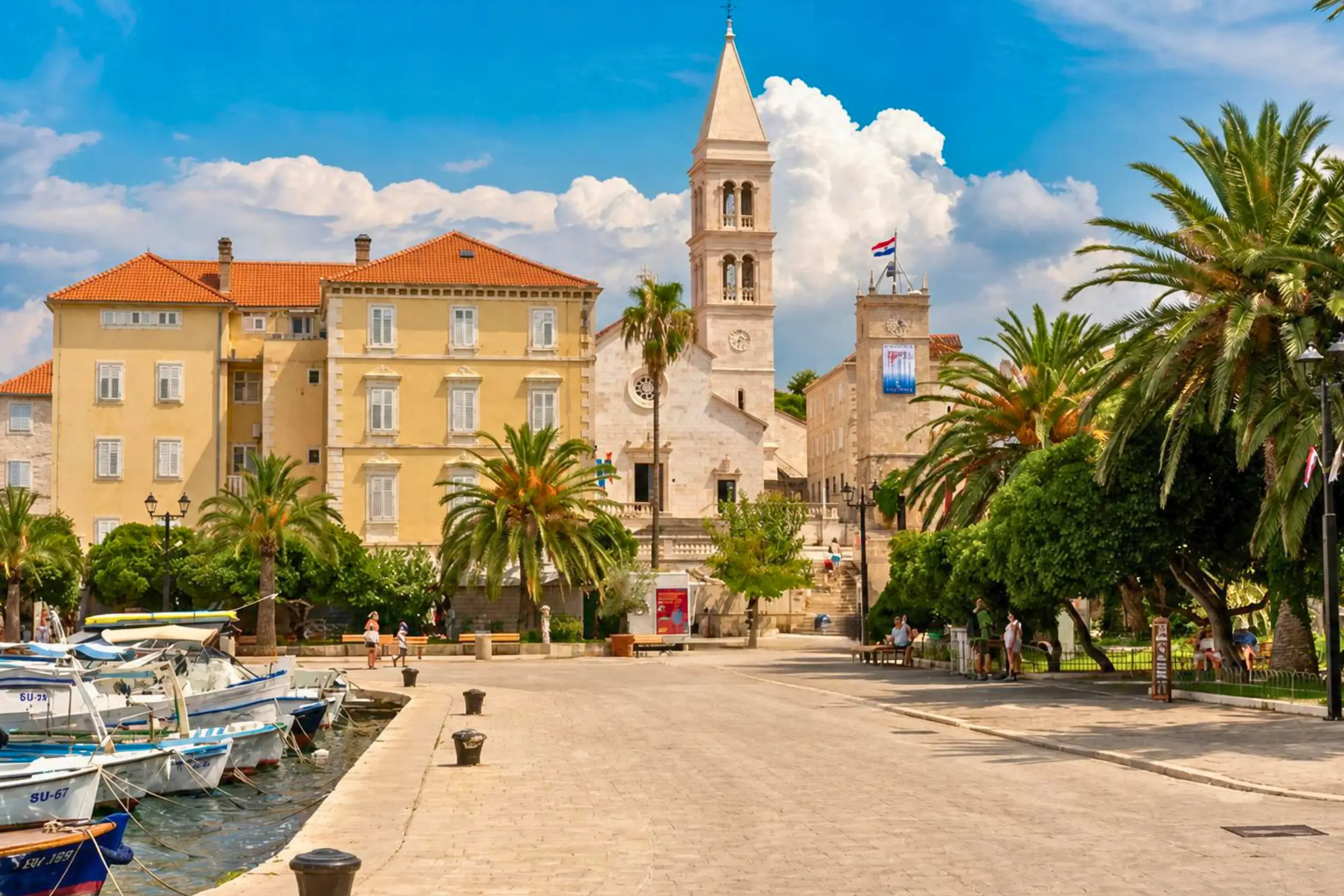
The islands are a story of their own. Hvar, Brač, Korčula, Vis, or Pag can be perfect for digital nomads who want to work in peace and live closer to nature. This choice suits people who do not need daily coworking the most, but value silence, the sea, and a simpler rhythm more.
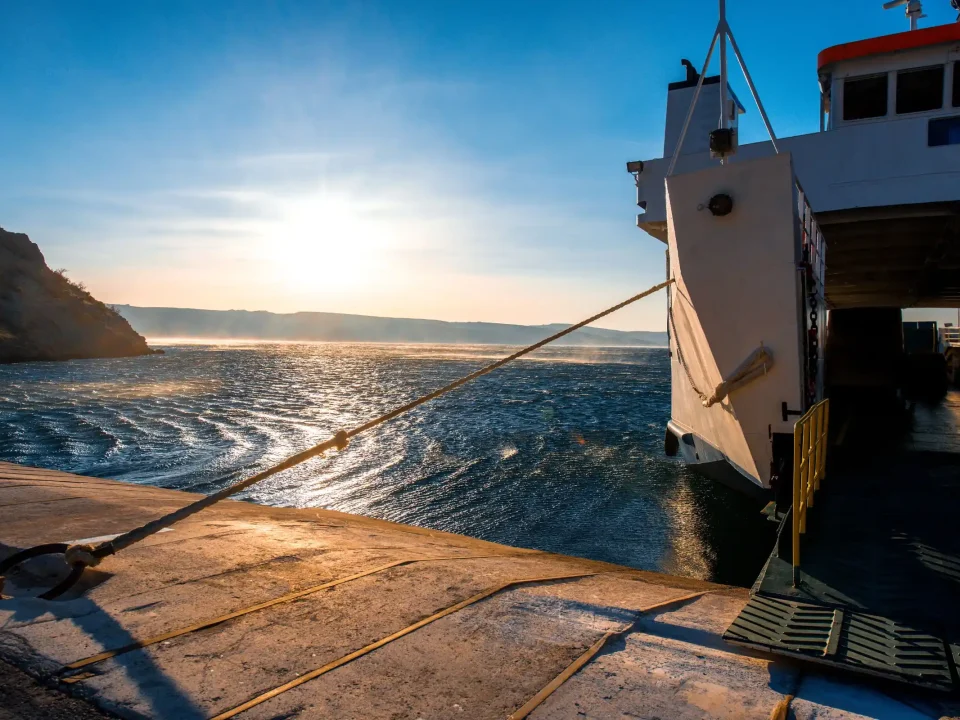
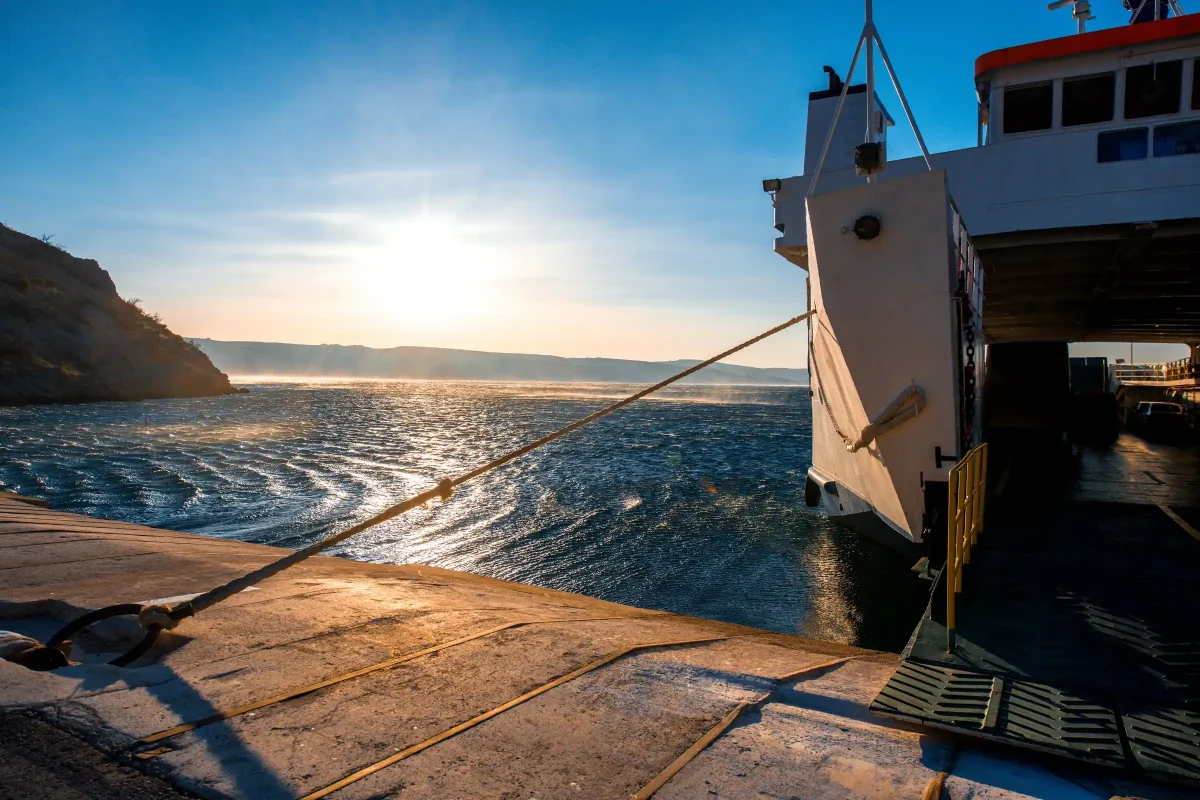
Still, the islands require more planning. Ferry lines, shop availability, internet connection, and conditions outside the season should all be checked. In summer they are beautiful, but they can be expensive and full of tourists. Outside the season they are calmer, but also much quieter.
| Factor | Rating / impression |
|---|---|
| Working conditions | Good if the internet and availability of amenities are checked in advance. |
| Best locations | Hvar, Brač, Korčula, Vis, Pag, and Lošinj. |
| Main drawback | Dependence on ferries and fewer amenities outside the season. |
| Best time | May, June, September, and the beginning of October. |
| Life ranking |
★
★
★
★
★
Perfect for peace, focus, and life close to nature. Ideal for nomads who want to escape the city dynamic and work at a slower pace.
|
Which location is the best?
The best location for digital nomads in Croatia depends on what kind of lifestyle rhythm you want. Split is best for social life and energy, Zadar for a calmer balance, Dubrovnik for a special atmosphere, Istria for a slower lifestyle, Zagreb for year-round infrastructure, and the islands for a complete escape from the rush.
In the end, it can be concluded that Croatia works best when it is not seen only as a summer destination. For digital nomads, its greatest value lies in the possibility of choice. You can work from a city, from an island, from Istria, from Dalmatia, or from Zagreb — and each choice brings a different way of life.
Frequently asked questions about digital nomads in Croatia
Which is the best city in Croatia for digital nomads?
Split is best for social life and the sea, Zagreb for year-round infrastructure, and Zadar for a calmer work-life balance.
Is Croatia good for long-term remote work?
Yes, especially if you carefully choose accommodation with good internet, a workspace, and a quieter location.
Where can I find official information about digital nomad stay?
Official information is available on the Ministry of the Interior website: Temporary stay of digital nomads.
Are the islands a good choice for digital nomads?
Yes, but they work best for people who want peace and do not depend on daily coworking or frequent travel.
When is the best time to come to Croatia as a digital nomad?
Spring and early autumn usually offer the best balance of prices, weather, accommodation availability, and fewer crowds.